 From $399 USDUnit price /Unavailable
Description

- Beautiful tight green crinkled lettuce leaves
- Curly leaves with really nice texture and color
- Extremely popular amongst gourmet chefs and restaurants
- Easy to grow and does not require a lot of space
-
Days to Maturity | 50 days
-
Lettuce Seeds | Lettuce can be grown practically anywhere. For leaf types seed should be sown thinly in rows 1 foot apart. For head, Bibb, and cos types, space rows 18 inches apart.
Click here for complete Lettuce grow guide
- Beautiful tight green crinkled lettuce leaves

Shallot (sets) - Holland, Red (Organic)
From $399 USDUnit price /UnavailableDescription
Each shallot can typically yield about 5-10 shallots per harvest. Best time to plant is usually in the Fall (Sept. - Nov.)
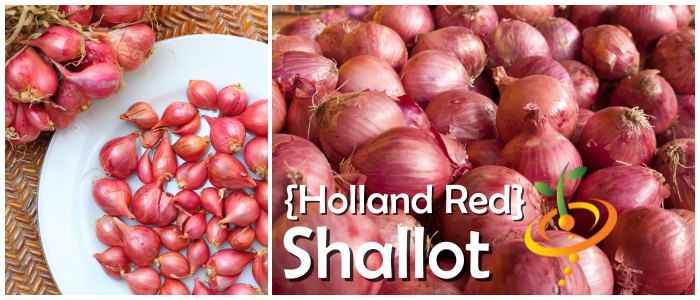
Quick Overview:- Copper Red
- Easy to grow
- Rare heirloom variety - hard to find
- Stores very well
- Excellent flavor
More Details:
A coppery red outer skin peels easily to reveal a reddish-purple flesh. Excellent flavor, great in sauces. This one can produce tenfold!! Contains potassium and vitamins A, B-6 and CHow to Plant:
Plant the pointy side of the shallot facing up with no more than 1/4" of soil covering the shallot. Make sure your have 7-8 inches of soil to allow the roots to grow freely. Space each bulb 10" - 12" apart from each other.
Note: Each shallot can typically yield about 5-10 shallots per harvest. Best time to plant is usually in the Fall (Sept. - Nov.)-
Wildflowers - Cosmos Flower Scatter Garden Seed Mix
From $499 USDUnit price /UnavailableDescription
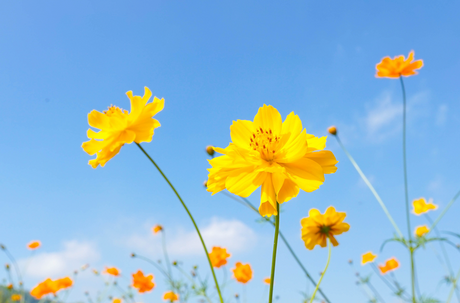
Includes a mix of 7 popular cosmos flower varieties. Scatter this mix in your garden and enjoy a beautiful assortment of cosmos flowers!
Wildflower establishment requires some important steps:
- Site selection/preparation: It's important to address competition from weeds: pull, till, or use organic herbicides. If planting in the spring/summer you can wait for weeds to germinate, control and then plant the wildflower seeds.
- Seeding: You will want to have good seed to soil contact, broadcasting by hand is a good approach on small plot, may want to mix with an inert carrier, sand or other. Raking in and covering with soil 2-3 times seed thickness.
- Watering: During establishment for the first month, can be from rain in spring or supplement with irrigation.
- Timing: The best time to plant is in spring to early summer and even again in late fall.
This mix includes all of the following seed varieties:GENUS/SPECIES
COMMON NAME
Cosmos bippinatus
Cosmos, Sensation Mix
Cosmos bippinatus
Dazzler
Cosmos bippinatus
Gloria
Cosmos bippinatus
Picotee
Cosmos bippinatus
Pinkie
Cosmos bippinatus
Purity
Cosmos sulphureus
Sulphur Cosmos
-
From $399 USDUnit price /Unavailable
Description
 Chicory - Witloof (100% Heirloom/Non-Hybrid/Non-GMO)
- Witloof Chicory produces heads that have gorgeous light green leaves.
- A perfect variety for summer and fall harvest.
- Can be used in salads or as a coffee substitute.
- Day to Maturity | 55 days
Additional DetailsChicory is a somewhat woody, perennial herbaceous plant usually with bright blue flowers, rarely white or pink. Various varieties are cultivated for salad leaves, chicons (blanched buds), or for roots which are baked, ground, and used as a coffee substitute and additive. It is also grown as a forage crop for livestock. It lives as a wild plant on roadsides in its native Europe, and in North America and Australia, where it has become naturalized. Credit: http://en.wikipedia.org/wiki/Chicory
- Witloof Chicory produces heads that have gorgeous light green leaves.
-
Nasturtium - Whirlybird Flowers
From $399 USDUnit price /UnavailableDescription
This variety produces jewel-toned flowers, dark green foliage, maximum color! These flowers stand straight and will come in shades of red, orange, cream and gold.
- Nasturtium flowers are one of the most popular edible flowers grown in home gardens. The petals have a slight peppery taste, and the seeds and leaves are also edible! You can even use the seeds as an alternative to capers.
- Not only are the flowers pretty, Nasturtiums are great companion plants! They are also known to deter aphids, whiteflies, cucumber beetles & more. Learn more >
- Nasturtiums should be planted in the spring for a "summer show". Plant in full sun, and in sandy, well drained soil. Generally, the poorer the soil quality, the more flowers the plant will produce! Deadhead your plants regularly to encourage new blooms, all season long. These flowers will self-seed resulting in more flowers for years to come!
- These are PERFECT for beginner gardeners! These annuals are very easy to grow from seed and can be grown just about anywhere, even places that are susceptible to drought.
- The bright flower petals will liven up any garden, with very little effort! They are also GREAT for planting in hanging baskets or containers.

Squash (Winter) - Crookneck, Cushaw Green Striped
From $399 USDUnit price /UnavailableDescription
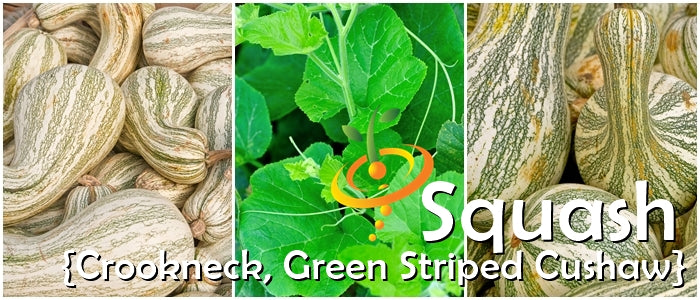
- The Cushaw plant produces some of the most beautiful 20" long squash
-
Curved/crook-neck variety
- Grows as a vine (not as a bush)
- Yellow colored flesh
- Very sweet and full of flavor - perfect for pies and canning
- Ideal for any sized garden and easy to grow
- Days to Maturity | 100 days
Additional Details
Though considered a vegetable in cooking, botanically speaking, squash is a fruit (being the receptacle for the plant's seeds). Squash can be served fresh (in salads) and cooked (squash stuffed with meat, fried squash, baked squash).
- The Cushaw plant produces some of the most beautiful 20" long squash
-
Sprouts/Microgreens - Bean, Garbanzo (Chickpea)
From $299 USDUnit price /UnavailableDescription
Classic garbanzos (chickpea) for sprouts and hummus. Learn how to make your own hummus >

-
Black Salsify (Black Oyster Plant/Scorzonera)
From $399 USDUnit price /UnavailableDescription
Black Salsify, also called Scorzonera and Black Oyster Plant, is a cold hardy perennial in the aster and lettuce family grown for its thin root with rough black skin over white flesh that can grow 1'-3' long if it has the room. Take care when harvesting, as the roots are delicate and snap easily. Any root left behind will re-grow!
It would be fun for a blind taste test, as the edible yellow dandelion-like flower petals smell like cocoa, the edible flower buds taste like okra, and the roots taste like oyster, asparagus, or artichoke, turning sweeter and earthier after a frost.
The stems and long, wide leaves that can grow 3'-4' tall are also edible. Delicious roasted, mashed, grilled, and pickled, or simply sautéed in a little butter for a rich, unusual side dish.
- Sweet, earthy flavor
- Roots can grow 1'-3' long if they have the room!
- Prefers cooler weather
- All parts are edible
- Cold hardy
SEED PLANTING TIPS
- Botanical name: Scorzonera hispanica
- Life cycle: Herbaceous perennial
- Hardiness zones: 5-9
- Planting season: Spring, fall
- Days to maturity: 100-120 days
- Depth to plant seeds: 1/2" deep
- Days to germinate (sprout): 7-28 days
- Germination soil temps: 60F-75F
- Spacing between plants: 3"-4" apart
- Spacing between rows: 18"-24" apart
- # of plants per sq. ft.: Appx. 16 plants per sq. ft.
- Soil types: Sandy, loamy, moist, well-drained
- Soil pH: 6.5-7.0
- Sun needs: Full sun
- Water needs: Average
- Cold stratify: No
- Frost tolerant: Yes
- Heat tolerant: Yes
- Drought tolerant: Yes
- Deer resistant: No
- Culinary use: Yes
Good Companion Plants: Beet, Carrot, Kohlrabi, Parsnip, Potato, Rosemary, Rutabaga, Sage, Thyme, Turnip
⚠️ Always consult with your doctor and primary care provider before using or consuming herbs, flowers, seeds and/or plants for medicinal purposes.
-
Melon (Cantaloupe) - Heart of Gold
From $399 USDUnit price /UnavailableDescription

Heart of Gold Melon (100% Heirloom/Non-Hybrid/Non-GMO)-
The Heart of Gold melon produces a very sweet and delicious golden flesh fruit that grow up to 4 lbs!
-
Day to Maturity | 85-100 days
-
Melon Seeds | Because of the long growing season, start plants indoors 4 to 5 weeks before outdoor planting time. Direct sow 4-5 seeds in a hill and then thin to the appropriate spacing.
Click here for complete Melon grow guide
-
The Heart of Gold melon produces a very sweet and delicious golden flesh fruit that grow up to 4 lbs!
-
Nasturtium - Empress of India Flowers
From $399 USDUnit price /UnavailableDescription
Large scarlet blooms will grow on this attractive 1 foot tall, compact plant.
- Nasturtium flowers are one of the most popular edible flowers grown in home gardens. The petals have a slight peppery taste, and the seeds and leaves are also edible! You can even use the seeds as an alternative to capers.
- Not only are the flowers pretty, Nasturtiums are great companion plants! They are also known to deter aphids, whiteflies, cucumber beetles & more. Learn more >
- Nasturtiums should be planted in the spring for a "summer show". Plant in full sun, and in sandy, well drained soil. Generally, the poorer the soil quality, the more flowers the plant will produce! Deadhead your plants regularly to encourage new blooms, all season long. These flowers will self-seed resulting in more flowers for years to come!
- These are PERFECT for beginner gardeners! These annuals are very easy to grow from seed and can be grown just about anywhere, even places that are susceptible to drought.
- The bright flower petals will liven up any garden, with very little effort! They are also GREAT for planting in hanging baskets or containers.

Sprouts/Microgreens - Kale, Green Curly
From $499 USDUnit price /UnavailableDescription
- Really easy to grow.
- Just let them grow until you see the first set of true leaves.
- Perfect for a micro-green salad.
- Makes a great addition to many culinary dishes.
- These sprouts have a mildly sweet flavor.
- Day to Maturity | 3-6 days
- Really easy to grow.
-
Sprouts/Microgreens - Bean, Adzuki
From $399 USDUnit price /UnavailableDescription
- Certified Kosher by Chabad House of Western Michigan.
- Certified Organic.
- The Adzuki Bean (Vigna angularis) has been grown in the Far East for centuries.
- Adzuki beans are one of Japan’s largest crops, with annual consumption of over 120,000 metric tons.
- Adzuki beans are often sprouted for only one day, mixed with other sprouts and called a "Crispy Mix" or "Crunchy Mix."
- They are commonly used throughout Asia in a variety of ways.
- Certified Kosher by Chabad House of Western Michigan.
-
From $399 USDUnit price /Unavailable
Description
Quick Overview
• Annual
• Good for breaking up soil!• Planting rate: 1 lb. per 1,000 sq. ft.
Details
Especially valuable for its release of phosphorus, buckwheat also contributes a significant amount of organic matter. Very competitive with weeds, good for breaking up the soil. Can grow two crops in the north.
Bees love Buckwheat! Good bugs love buckwheat!Seed when ground is well warmed and after last spring frost; it has no frost tolerance. When June planted, in 35 days it is waist high, in bloom and ready to plow under. Good to follow with a fall crops of rye and Austrian winter pea. Just rake in some seed after harvesting an annual crop and buckwheat will keep out the weeds and look great doing it. Green Lacewing adults will feast on the nectar then deposit their "aphid lion" eggs on nearby garden crops. -
Nasturtium - Dwarf Jewel Mix Flowers
From $399 USDUnit price /UnavailableDescription
Fragrant, colorful mix of dwarf flowers in a compact plant usually getting no taller than 12 inches.
- Nasturtium flowers are one of the most popular edible flowers grown in home gardens. The petals have a slight peppery taste, and the seeds and leaves are also edible! You can even use the seeds as an alternative to capers.
- Not only are the flowers pretty, Nasturtiums are great companion plants! They are also known to deter aphids, whiteflies, cucumber beetles & more. Learn more >
- Nasturtiums should be planted in the spring for a "summer show". Plant in full sun, and in sandy, well drained soil. Generally, the poorer the soil quality, the more flowers the plant will produce! Deadhead your plants regularly to encourage new blooms, all season long. These flowers will self-seed resulting in more flowers for years to come!
- These are PERFECT for beginner gardeners! These annuals are very easy to grow from seed and can be grown just about anywhere, even places that are susceptible to drought.
- The bright flower petals will liven up any garden, with very little effort! They are also GREAT for planting in hanging baskets or containers.

Sprouts/Microgreens - Cilantro/Coriander Splits
From $499 USDUnit price /UnavailableDescription
We offer the highest quality cilantro micro green sprout seeds! These sprouts are a great ingredient to add to any dish for added flavor and nutrition. Sure to be your new favorite! Very easy to grow. Ready to consume after just a couple of days.
-
Sprouts/Microgreens - Radish, Daikon
From $399 USDUnit price /UnavailableDescription
- Organic
- They're easy to grow - and - taste great.
- Country of Origin: Italy
-
Hints of pepper flavor.
-
Radish sprouts have gained popularity in recent years.
- Day to Maturity | 3-6 days
Follow SeedsNow.com's board Radish on Pinterest. - Organic
-
Bean - Jicama/Mexican Yam Bean
From $099 USDUnit price /UnavailableDescription
Jicama - Mexican Yam Bean
- Pachyrhizus erosus, commonly known as jicama, Mexican yam bean, or Mexican turnip, is the name of a native Mexican vine, although the name most commonly refers to the plant's edible tuberous root. (source/wikipedia)
- Grows as a large vine.
- Day to Maturity | 80 days
-
Best Months to Plant | [April - June] Beans like sun and water. Give them lots of it and they'll grow fast.
-
Pole Beans | Beans can be grown in average soil, almost anywhere in the United States. Set 3 rough barked, 6 foot poles in the ground, tepee fashion, and tie together at the top
Click here for complete Pole Bean grow guide
- Pachyrhizus erosus, commonly known as jicama, Mexican yam bean, or Mexican turnip, is the name of a native Mexican vine, although the name most commonly refers to the plant's edible tuberous root. (source/wikipedia)
-
From $399 USDUnit price /Unavailable
Description

The Violet Star Artichoke is a dramatic alternative to the traditional Green Globe Artichoke. It produces a vibrant purple flower bud with a nutty flavor and creamy texture. Choose a sunny spot in your garden with lots of room for this dark beauty to grow. Artichokes are perennial plants that keep coming back bigger and more productive every year.
- Heat tolerant
- Drought tolerant
- Usually produces in 2nd year
- Perennial
-
From $399 USDUnit price /Unavailable
Description
- Produces white radishes that grow to 1.5" in diameter
- The white flesh is crisp and mild in flavor
- Great for selling at farmers markets
- Grows well in containers and small spaces
-
Days to Maturity | 25-30 days
Additional DetailsRadishes are rich in ascorbic acid, folic acid, and potassium. They are a good source of vitamin B6, riboflavin, magnesium, copper, and calcium. One cup of sliced red radish bulbs provides approximately 20 calories, largely from carbohydrates
Follow SeedsNow.com's board Radishes on Pinterest. - Produces white radishes that grow to 1.5" in diameter
-
From $399 USDUnit price /Unavailable
Description
-
The Nutri-Red carrot is a brilliant red color with a tinge of orange .
- 9" long slim tapered ends.
- Excellent for stews and many culinary creations.
- Tender and very sweet with a strong carrot flavor.
- Carrots are a sun-loving plants that also like the cold.
- Just keep them consistently watered and they'll be happy.
-
Day to Maturity | 75 days
- Carrot Seeds | Carrots are an annual cool-season crop, half-hardy to frost and light freezes. Sow seeds evenly in a very shallow furrow, about 1/4 inch deep, and keep seeds moist so they will germinate.
Click here for complete Carrot grow guide
Additional DetailsCarrot gets its characteristic and bright orange colour from β-carotene, which is metabolised into vitamin A in humans when bile salts are present in the intestines. Carrots are also rich in dietary fibre, antioxidants, and minerals.
Follow SeedsNow.com's board Carrots on Pinterest. -
The Nutri-Red carrot is a brilliant red color with a tinge of orange .

Sprouts/Microgreens - Carrots (Micro)
From $499 USDUnit price /UnavailableDescription
Growing carrot microgreens and sprouts indoors is a rewarding way to enjoy fresh, nutritious greens year-round. Simply soak the seeds briefly, then spread them evenly on a clean, well-draining growing medium in a shallow tray. Keep the soil consistently moist and place the tray in a bright spot with indirect light or under a grow light for best results. Within just days, you’ll see vibrant sprouts ready to add a sweet, fresh flavor to your meals. Harvest microgreens in 10–14 days for a nutrient-packed boost that’s easy, convenient, and perfect for elevating your cooking at home.
Carrot microgreens require a fine, well-drained growing medium and consistent moisture to thrive. Sow seeds evenly on the surface and lightly cover them. Maintain temperatures between 60-75°F (15-24°C) and provide bright, indirect light once sprouts emerge to foster strong growth. Harvest when the first true leaves develop, cutting just above the soil line. These nutrient-rich microgreens offer a fresh, sweet carrot flavor, ideal for enhancing salads, sandwiches, and garnishes with a crisp, vibrant touch.
Carrot micro-greens are a new trend. And for good reason. They taste great and they are extremely nutritious.
-
Wildflowers - Moist Area Scatter Garden Seed Mix
From $499 USDUnit price /UnavailableDescription
 Includes a mix of 16 different beautiful flower varieties. Cover moist spaces with moist soi tolerant wildflowers! Mix includes annuals and perennials. Easy to grow and require little maintenance.
Wildflower establishment requires some important steps:- Site selection/preparation: It's important to address competition from weeds: pull, till, or use organic herbicides. If planting in the spring/summer you can wait for weeds to germinate, control and then plant the wildflower seeds.
- Seeding: You will want to have good seed to soil contact, broadcasting by hand is a good approach on small plot, may want to mix with an inert carrier, sand or other. Raking in and covering with soil 2-3 times seed thickness.
- Watering: During establishment for the first month, can be from rain in spring or supplement with irrigation.
- Timing: The best time to plant is in spring to early summer and even again in late fall.This mix includes the following:
GENUS/SPECIES
COMMON NAME
TYPE
HEIGHT
COLOR

Aquilegia vulgaris
Dwarf European Columbine
P
10 to 18
Red/Violet/Blue

Centaurea cyanus
Bachelor's Button
A
12 to 36
Blue or Mix

Cheiranthus allionii
Siberian Wallflower
B/P
10 to 18
Orange

Chrysanthemum maximum
Daisy Chrysanthemum
B/P
16 to 24
White

Clarkia elegans
Clarkia Mix
A
18 to 30
Pink/Lavender

Coreopsis lanceolata
Lance Leaf Coreopsis
P
18 to 36
Yellow

Coreopsis tinctoria
Plains Coreopsis
A
12 to 36
Yellow-Maroon

Collinsia heterophylla
Chinese Houses
A
12 to 24
White-Violet

Delphinium consolida
Rocket Larkspur
A
12 to 36
White/Pink/Blue/Violet

Dianthus barbatus
Sweet William
P
12 to 24
White/Pink/Red

Digitalis purpurea
Common Foxglove
B/P
24 to 48
Purple/Cream

Gypsophila elegans
Annual Baby's Breath
A
8 to 18
White

Lavatera trimestris
Rose Mallow
A
24 to 48
White/Pink

Nemophila menziesii
Baby Blue Eyes
A
4 to 12
Blue

Papaver rhoeas
Shirley Poppy
A
12 to 30
White/Pink/Red

Viola cornuta
Helen Mount
A/P
4 to 12
Purple/Yellow/Blue
A- Annual
69%
P- Perennial
16%
B- Biennial
15%
-
Wildflowers - Lupine Scatter Garden Seed Mix
From $499 USDUnit price /UnavailableDescription
 Includes a mix of 5 popular lupine flower varieties and colors. Scatter this mix of seeds in your garden and enjoy a beautiful assortment of lupine flowers.Wildflower establishment requires some important steps:- Site selection/preparation: It's important to address competition from weeds: pull, till, or use organic herbicides. If planting in the spring/summer you can wait for weeds to germinate, control and then plant the wildflower seeds.
- Seeding: You will want to have good seed to soil contact, broadcasting by hand is a good approach on small plot, may want to mix with an inert carrier, sand or other. Raking in and covering with soil 2-3 times seed thickness.
- Watering: During establishment for the first month, can be from rain in spring or supplement with irrigation.
- Timing: The best time to plant is in spring to early summer and even again in late fall.
This mix includes all of the following seed varieties:GENUS/SPECIES
COMMON NAME

Lupinus densiflora
Golden Yellow

Lupinus hartwegii
Dwarf Pixie Delight

Lupinus perennis
Perennial Lupine

Lupinus polyphyllus
Russel Lupine

Lupinus succulentis
Arroyo Lupine
-
Watermelon - Moon & Stars (Red-flesh)
From $399 USDUnit price /UnavailableDescription
- The Moon & Stars Watermelon dark green rind and bright yellow spots.
- Yellow spots are very unique and can be small or large in size.
- All American classic heirloom watermelon. - Deep red flesh.
- Grows over 40 lbs!
-
Day to Maturity | 90 days
- Watermelons are heat-loving plants that need lots of sun. They grow on a long vine, so make sure to give them plenty of space to roam around.
Follow SeedsNow.com's board Watermelon on Pinterest. - The Moon & Stars Watermelon dark green rind and bright yellow spots.
-
Pepper (Hot) - Scotch Bonnet, Red 🔥🔥🔥
From $499 USDUnit price /UnavailableDescription

The Red Scotch Bonnet Pepper is so named because its defined lobes resemble a Scotsman’s tam o’ shanter hat. Also called the Caribbean Red Pepper, the stout little fruit is sweeter and fruitier than its cousin, the Habanero, and hot enough to make a bird fly north for the winter. The plant puts out loads of 1"-2" green waxy fruits with thin skin that ripen through yellow, orange, and red. Its extreme heat and unique flavor is traditionally used in Caribbean hot sauce and jerk seasoning, but will be just as tasty and burn just as hot in any of your recipes.- High yields
- Fresh, fruity flavor
- Harvest any color
- Good for containers
SEED PLANTING TIPS
- Botanical name: Capsicum chinense
- Pepper length: 1"-2"
- Scoville heat units (SHU): 100,000-350,000/hot
- Plant support: Tomato cage or stake
- Depth to plant seeds: .25" deep
- Spacing between plants: 18"-24" apart
- Spacing between rows: 24"-36" apart
- Days to germinate (sprout): 7-21 days
- Germination soil temps: 75F-85F
- Soil needs: 6.0-7.0 pH
- Sun needs: Full sun
- Frost hardy: No
- Planting season: Spring, summer
- # of plants per sq. ft.: Appx. 1 plant per sq. ft.
- Days to maturity: 90-120 days
Good companion plants: Basil, Carrot, Cucumber, Eggplant, Okra, Rosemary, Sage, Squash, Tomato
All Peppers ⟐ Hot Peppers 📚 Hot Peppers Grow Guide -
Cover Crop - Clover (Yellow Sweet Blossom)
From $399 USDUnit price /UnavailableDescription
Quick Overview
• Biennial
• Vigorous
• Sow Spring & Summer
Details
Tremendous green manure and bee pasture. Vigorous grower with long tap roots to help break up compact soil. Can produce up to 125 lb. of nitrogen per acre. Sow in the spring or summer. Planting rate: 1/2 lb per 1,000 sq ft 
Bean, Runner/Pole - White Emergo
From $099 USDUnit price /UnavailableDescription
The White Emergo Runner Pole Bean twinkles with lots of sweet white flowers, which may be why it’s also known as Sweet White Runner Bean. Vigorous vines can grow to 10' to support long 8"-12" pods with creamy white beans inside. Pick young for snap beans and mature for shell beans, or let them dry for a bean similar to cannellini.
- Easy to grow
- Tasty white beans
- Long pods up to 8"-12”
- Eat fresh, shelled, or dried
SEED PLANTING TIPS
- Botanical name: Phaseolus coccineus
- Depth to plant seeds: 1" deep
- Spacing between plants: 5" apart
- Spacing between rows: 18"-24" apart
- Days to germinate (sprout): 8-14 days
- Germination soil temps: 70F-85F
- Soil needs: 6.0-7.0 pH
- Sun needs: Full sun
- Frost hardy: No
- Planting season: Spring, summer
- # of plants per sq. ft.: Appx. 4 plants per sq. ft.
- Days to maturity: 80-115 days
Click here to view our full Bean grow guide
Good companion plants: Cucumber, Pea, Rosemary, Thyme, Tomato

Sprouts/Microgreens - Cabbage, Red
From $499 USDUnit price /UnavailableDescription
Cabbage red acre microgreens are beautiful, aren't they? Well, they taste as good as they look!
Very easy to grow.
Ready to consume after just a couple of days.
-
Asparagus (Crowns/Roots) - Millennium (pre-order)
From $499 USDUnit price /UnavailableDescription
This item begins shipping Feb - Apr.
Asparagus plants are perennials that can easily produce for 20+ years, so give this vegetable a permanent and sunny spot in your garden. To ensure many years of future production, wait until the second year to cut and consume the spears.
⚠️ These crowns are 2-year-old bare roots that are all male, which means possibly higher (3-4 times) yields. The Millennium Asparagus is an F1 hybrid variety developed in Canada.
- Cold hardy, but protect from frost
- Easy to care for, once established
- Beautiful fern-like foliage lingers after harvest
- Best adapted to heavier soils
CROWN PLANTING TIPS
- Botanical name: Asparagus officinalis
- Depth to plant crowns: 6"-8" deep
- Spacing between plants: 14"-18" apart
- Spacing between rows: 4'-5' apart
- Preferred temps: When daytime temps exceed 75F–85F
- Soil needs: 6.0-7.0 pH
- Sun needs: Full sun, partial shade
- Frost hardy: No
- Planting season: Spring, fall
- # of plants per sq. ft.: Appx. 1 plant per sq. ft.
- Days to maturity: 730 days
Health Benefits of Asparagus
Asparagus contains high levels of beta carotene and other vitamins and minerals, and is a great diuretic. Need more fiber? Chew on some asparagus. And if you're looking for help controlling diabetes or preventing kidney stones, plant and eat more asparagus.Ways to Eat Asparagus
Asparagus is delicious raw or marinated in a little olive oil, lemon juice, and salt. You can also boil, steam, grill, roast, or sauté the spears. Add some asparagus to your other favorite foods such as soups, risottos, lasagnas, and quiches. To preserve your harvest, can up a few jars of pickled asparagus.• Shop all Asparagus (seeds)
• Shop all Asparagus (roots)
Shop Good Companion Plants for Asparagus 📚 Grow Guide: Asparagus Roots - Cold hardy, but protect from frost
-
Sunflower, Chocolate Cherry Flowers
From $399 USDUnit price /UnavailableDescription
-
Wildflowers - California Native Scatter Garden Seed Mix
From $499 USDUnit price /UnavailableDescription
 Includes a mix of 24 popular Native California Wildflower varieties. Scatter this mix in your garden and enjoy a beautiful assortment of Native California Wildflowers.Wildflower establishment requires some important steps:- Site selection/preparation: It's important to address competition from weeds: pull, till, or use organic herbicides. If planting in the spring/summer you can wait for weeds to germinate, control and then plant the wildflower seeds.
- Seeding: You will want to have good seed to soil contact, broadcasting by hand is a good approach on small plot, may want to mix with an inert carrier, sand or other. Raking in and covering with soil 2-3 times seed thickness.
- Watering: During establishment for the first month, can be from rain in spring or supplement with irrigation.
- Timing: The best time to plant is in spring to early summer and even again in late fall.
This mix includes all of the following seed varieties:GENUS/SPECIES
COMMON NAME
TYPE
COLOR
Height

Achillea millefolium
White Yarrow
P
White
12 to 36

Alyssum maritimum
Sweet Alyssum
A
White
8 to 16

Centaurea cyanus
Cornflower
A
Blue
12 to 36

Cheiranthus allionii
Siberian Wallflower
B
Orange
10 to 18

Chyrsanthemum coronarium
Garland Daisy
A
White/Yellow
36 to 48

Chrysanthemum maximum
Shasta Daisy
P
White
16 to 24

Clarkia amoena
Farewell To Spring
A
Pink/White
8 to 14

Clarkia elegans
Clarkia
A
Pink/White
18 to 30

Coreopsis lanceolata
Lance-Leaf Coreopsis
P
Yellow
18 to 36

Coreopsis tinctoria
Plains Coreopsis
A
Yellow
12 to 36

Cynoglossum firmament
Chinese Forget Me Not
A
Blue
18 to 24

Delphinuim consolida
Larkspur
A
Mix
12 to 36

Eschscholtzia californica
California Poppy
A
Orange
12 to 18

Gypsophila elegans
Annual Baby's Breath
A
White
8 to 18

Linaria maroccana
Spurred Snapdragon
A
Mix
12 to 24

Linum lewisii
Blue Flax
P
Blue
18 to 30

Linum grandiflorum rubrum
Scarlet Flax
A
Scarlet
12 to 36

Lupinus perennis
Perennial Lupine
P
Blue
12 to 36

Nemophila menziesii
Baby Blue Eyes
A
Blue
4 to 12

Oenothera lamarckiana
Evening Primrose
B
Yellow
24 to 36

Papaver rhoeas
Corn Poppy
A
Red/Pink
12 to 30

Phacelia campanularia
California Bluebell
A
Blue
8 to 20

Rudbeckia hirta
Black Eyed Susan
B
Gold
12 to 36

Silene armeria
Catchfly
A
Purple
16 to 22
A = ANNUL 74%
B = BIENNIAL 8%
P = PERENNIAL 18%
-
Wildflowers - Forever Pink Scatter Garden Seed Mix
From $499 USDUnit price /UnavailableDescription
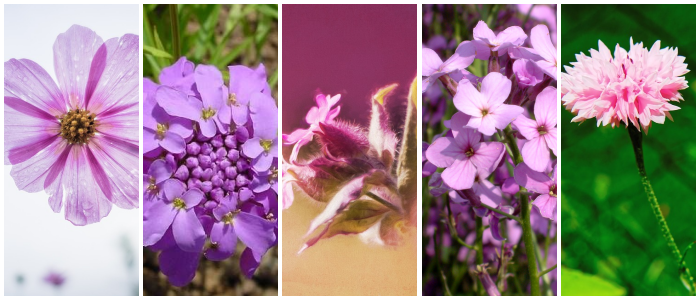 Includes a mix of 9 of the most vibrant and beautiful pink flower varieties. Scatter this mix in your garden and enjoy a beautiful assortment of pink flowers!Wildflower establishment requires some important steps:- Site selection/preparation: It's important to address competition from weeds: pull, till, or use organic herbicides. If planting in the spring/summer you can wait for weeds to germinate, control and then plant the wildflower seeds.
- Seeding: You will want to have good seed to soil contact, broadcasting by hand is a good approach on small plot, may want to mix with an inert carrier, sand or other. Raking in and covering with soil 2-3 times seed thickness.
- Watering: During establishment for the first month, can be from rain in spring or supplement with irrigation.
- Timing: The best time to plant is in spring to early summer and even again in late fall.
This mix includes all of the following seed varieties:GENUS/SPECIES
COMMON NAME

Centaurea cyanus
Cornflower Tall Pink

Clarkia amoena
Godetia Semi Dwf Mix

Cosmos bippinatus
Pinkie Dwarf

Hesperis matronalis
Purple Dame's Rocket

Iberis umbellata
Dwf. Candytuft Fairy Bqt.

Lavatera trimestris
Tree Mallow

Monarda citriodora
Lemon Mint

Silene armeria
Catchfly

Silene pendula
Nodding Catchfly
-
Cover Crop - Clover (White Dutch)
From $499 USDUnit price /UnavailableDescription
Quick Overview
• Perennial
• Chokes out weeds
Details
Perennial. A low-growing perennial clover that forms a nice mat perfect for pathways between beds. It competes well against quckgrass and, although the plants grow over into the beds, they can easily be pulled back with a rake before mowing. As a green manure/cover crop, it fixes nitrogen and since it's perennial, can be plowed in at any time. Pre-inoculated seed. Plant in early spring: April-May. Planting rate: ½ lb per 1,000 sq. ft.; 8-10 lbs per acre for dry land, 10-12 lbs per acre for irrigated land. -
From $399 USDUnit price /Unavailable
Description
Quick Overview
• Annual
• Nitrogen-rich
• Hardy
• Vicia villosa Cool season legume cover cropDetails
Valuable soil-improvement crop. Vigorous legume produces huge amounts of nitrogen-rich biomass for turning under. Can be planted in the spring through late summer. Late summer (late August early September) planted vetch will winter over, growing vigorously the following spring. Can be mixed with oats or rye for maximum weed competition. Hardy; will also sprout in the spring if planted before the ground freezes in November (like winter rye). Demands fairly fertile soil and adequate rainfall as is shallow-rooted. Livestock caution: Seeds are poisonous. Planting rate: 1 lb per 1,000 sq ft  From $399 USDUnit price /Unavailable
Description
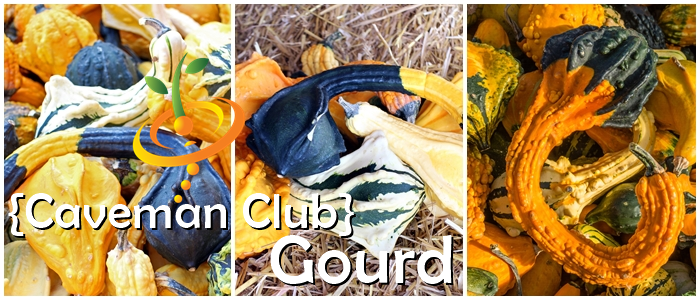
- Just as the name suggests, this style of gourd will produce something that looks like a caveman's club
- Colors will vary
- Grows well in raised beds
- Just as the name suggests, this style of gourd will produce something that looks like a caveman's club
-
Wildflowers - Blues Brothers Seed Mix
From $499 USDUnit price /UnavailableDescription
Plant this mix to grow some of the most beautiful blue-colored flowers you've ever seen!
Wildflower establishment requires some important steps:
- Site selection/preparation: It's important to address competition from weeds: pull, till, or use organic herbicides. If planting in the spring/summer you can wait for weeds to germinate, control and then plant the wildflower seeds.
- Seeding: You will want to have good seed to soil contact, broadcasting by hand is a good approach on small plot, may want to mix with an inert carrier, sand or other. Raking in and covering with soil 2-3 times seed thickness.
- Watering: During establishment for the first month, can be from rain in spring or supplement with irrigation.
- Timing: The best time to plant is in spring to early summer and even again in late fall.
This mix includes all of the following seed varieties:
GENUS/SPECIES COMMON NAME TYPE HEIGHT COLOR 
Centaurea cyanus Bachelor Button, Jubilee Gem or Cornflower Annual 12- 36 Inches Blue 
Centaurea cyanus Chinese Forget-Me-Not or Chinese Hounds Tongue Perennial 18-24 Inches Blue 
Linum lewisii Blue Flax Perennial 18-30 Inches Blue 
Ipomoea alba Morning Glory, Heavenly Blue Annual 8 - 10 Feet Blue 
Lupinus angustifolius Blue Lupine Perennial 12-13 Inches Blue 
Phacelia campanularia California Blue Bells, Desertbells, Desert Bluebells, California-Bluebell, Desert Scorpionweed, and Desert Canterbury Bells. Annual 18-20 Inches Blue 
Nigella damascena Love In a Mist Annual 15 Inches Blue 
Gilia capitata Globe Gilia, Blue-Thimble-Flower, Bluehead Gilia, or Blue Field Gilia Annual 12-24 Inches Blue Nemophila menziesii Baby Blue Eyes Annual 6 Inches Blue -
Daisy, Black-Eyed Susan (Rudbeckia Hirta) Flowers
From $399 USDUnit price /UnavailableDescription
The Daisy, specifically the Rudbeckia Hirta, is a perennial plant that is widely appreciated for its vibrant yellow flowers and its ability to thrive in various garden conditions. This species, commonly known as the Black-eyed Susan, belongs to the Asteraceae family and is native to North America. The plant typically reaches a height of 1 to 3 feet and produces flowers that can measure up to 3 inches in diameter.
Rudbeckia Hirta is characterized by its distinctive dark brown or black center, surrounded by bright yellow petals. This striking appearance not only enhances the aesthetic appeal of gardens but also attracts a variety of pollinators, including bees and butterflies, which are essential for maintaining ecological balance. Studies indicate that plants like Rudbeckia Hirta can increase pollinator activity by up to 50% in garden environments.
In terms of cultivation, Rudbeckia Hirta is known for its resilience and adaptability. It prefers full sun but can tolerate partial shade, making it suitable for diverse planting locations. The plant thrives in well-drained soil and can withstand drought conditions once established. It is important to note that while Rudbeckia Hirta is relatively low-maintenance, regular deadheading can promote prolonged blooming periods, extending the flowering season from mid-summer to early fall.
From a horticultural perspective, the Rudbeckia Hirta is often used in mixed borders, wildflower gardens, and as a cut flower in arrangements. Its ability to self-seed allows for natural propagation, contributing to the sustainability of garden ecosystems. However, gardeners should be mindful of its potential to spread, as it can become invasive in certain regions if not managed properly.
In summary, the Daisy (Rudbeckia Hirta) is a valuable addition to any garden, offering both visual appeal and ecological benefits. Its ease of care, coupled with its role in supporting pollinator populations, makes it an ideal choice for both novice and experienced gardeners alike. By incorporating Rudbeckia Hirta into your gardening plans, you can enhance the biodiversity and beauty of your outdoor space.
- Life cycle: Tender perennial
- Bloom season: Summer
- Attracts: Bees, butterflies, and other pollinators
- Flower meaning: Justice
SEED PLANTING TIPS
- Botanical name: Rudbeckia hirta
- Hardiness zones: 3-8
- Planting season: Spring, fall
- Days to maturity: 90-120 days
- Cold stratify: Yes
- Depth to plant seeds: Lightly cover - seeds need light to germinate
- Spacing between plants: 12"-18" apart
- Days to germinate (sprout): 7-21 days
- Germination soil temps: 70F-75F
- Soil types: Clay, sandy, loamy, moist, well-drained
- Soil pH: 6.8-7.7
- Water needs: Average
- Sun needs: Full sun, part shade
- Frost tolerant: No
- Drought tolerant: Yes
- Deer resistant: Yes

Sprouts/Microgreens - Chia, Black
From $499 USDUnit price /UnavailableDescription
Black chia microgreens are a nutrient-packed addition to your meals, offering a fresh, mild flavor and a satisfying crunch. Easy to grow and quick to harvest, these tiny sprouts deliver essential antioxidants, vitamins, and minerals that support overall wellness. Perfect for salads, sandwiches, and smoothies, black chia microgreens elevate your dishes with vibrant green color and a boost of natural energy. Incorporate them into your diet to enjoy a simple way to enhance both taste and nutrition.
Certified Organic Black Chia seeds.
Very easy to grow.
Ready to consume after just a couple of days.
-
Carrot - St. Valery/James Scarlet, 12" Long
From $399 USDUnit price /UnavailableDescription
- Old French variety that produces extremely sweet and delicious carrots up to 12” in length
- Tender, sweet, and smooth roots
-
Also known as the “James Scarlet”
-
Days to Maturity | 70 days
-
Carrot Seeds | Carrots are an annual cool-season crop, half-hardy to frost and light freezes. Sow seeds evenly in a very shallow furrow, about 1/4 inch deep, and keep seeds moist so they will germinate.
Click here for complete Carrot grow guide
Additional Details
Carrot gets its characteristic and bright orange colour from β-carotene, which is metabolised into vitamin A in humans when bile salts are present in the intestines. Carrots are also rich in dietary fibre, antioxidants, and minerals.
- Old French variety that produces extremely sweet and delicious carrots up to 12” in length
-
Pea (Snow) - Mammoth Melting Sugar
From $399 USDUnit price /UnavailableDescription
- This popular pea variety is sweet, sugary and tender
- This edible pod snow pea has made its place in home gardens for many years
- These pea pods are some of the biggest ( appx. 4-5")
- Makes for an excellent addition to stir fry
- Big white flowers are an bonus as they quickly turn into tasty peas
- This pea has been so successful it has been considered a commercial variety for generations
- Days to Maturity | 65-70 days
Additional DetailsPeas are high in vitamin A, vitamin C, B vitamins and lutein. Dry weight is about one-quarter protein and one-quarter sugar.
-
From $399 USDUnit price /Unavailable
Description
-
The Pacific Giant pumpkin has been known to grow easily over 350 pounds!
- It's best to plant 4 to 5 seeds per hill with hills at least 8 feet apart.
-
How to Grow Super Giant MEGA Pumpkins
- Days to Maturity | 120 days
Additional Details
Looking to have the largest homegrown pumpkin of all your neighbors? Try growing the Pacific Giant, Pumpkin! They are easy to establish & produce fruit of enormous size! (think 350+ lbs.) They have a pale orange skin and a deep orange flesh. Make sure you leave plenty of room for this variety to sprawl. Vines can reach lengths up to 25 feet long. Considering the size of this variety, they are fairly quick to reach maturity at around 120 days.
-
The Pacific Giant pumpkin has been known to grow easily over 350 pounds!

Pepper (Hot) - Holiday Marbles 🔥
From $399 USDUnit price /UnavailableDescription
The Holiday Marbles Pepper is an assortment of tiny peppers with a tiny spark of heat. Compact plants cast out lots of green peppers that ripen through cream, yellow, purple, orange, and red. Shoot fresh ones onto a salad, or play for keeps and dry them whole to use like peppercorns.- High yields
- Edible ornamental
- Harvest any color
- Good for containers
SEED PLANTING TIPS
- Botanical name: Capsicum annuum
- Pepper size: 1/4"-1/2"
- Scoville heat units (SHU): 300-500/mild
- Plant support: Tomato cage or stake
- Depth to plant seeds: 1/8" deep
- Spacing between plants: 12"-18" apart
- Spacing between rows: 24"-36" apart
- Days to germinate (sprout): 7-21 days
- Germination soil temps: 75F-85F
- Soil needs: 6.0-7.0 pH
- Sun needs: Full sun
- Frost hardy: No
- Planting season: Spring, summer
- # of plants per sq. ft.: Appx. 1 plant per sq. ft.
- Days to maturity: 90+ days
Good companion plants: Basil, Carrot, Cucumber, Eggplant, Okra, Rosemary, Sage, Squash, Tomato
All Peppers ⟐ Hot Peppers 📚 Hot Peppers Grow Guide 
Sweet Woodruff (Sweet-Scented Bedstraw)
From $499 USDUnit price /UnavailableDescription
Sweet Woodruff (Botanical name: Galium odoratum) also called Sweet-Scented Bedstraw, is a fast-growing, mat-forming herb and ground cover with dark green leaves and small, white, waxy, star-shaped flowers that bloom in spring. When crushed or cut, and especially dried, it has a grassy vanilla fragrance. Prefers partial to full shade, even under a Black Walnut tree. Add the leaves to fruit salads, jellies, and herbal teas, and use the flowers as an adorable and edible garnish. Reseeding and shallow runner roots enable it to spread easily.
- Grassy vanilla fragrance
- Culinary and medicinal
- Attracts bees, butterflies, and other pollinators
As a companion plant, it attracts all sorts of friendly pollinators to the garden.
As a medicinal herb, Sweet Woodruff has been used internally to treat congestion, insomnia, migraine headaches, nerve pain, and water retention, and externally to treat burns, wounds, and swelling.
⚠️ Contains naturally occurring coumarin and should not be ingested in large quantities if you are taking medication for circulatory disorders or are pregnant.
⚠️ Medicinal properties are presented as information only, and are not a recommendation or prescription for use. Consult a medical professional before using any herb medicinally.
SEED PLANTING TIPS
- Botanical name: Galium odoratum
- Life cycle: Herbaceous perennial
- Planting season: Spring, fall, winter
- Days to maturity: 90-120 days
- Depth to plant seeds: 1/4" deep
- Days to germinate (sprout): 10-200 days
- Germination soil temps: 60F-70F
- Spacing between plants: 8"-12" apart
- Spacing between rows: 18"-24" apart
- # of plants per sq. ft.: Appx. 1 plant per sq. ft.
- Soil types: Clay, sandy, loamy, rich, moist, well-drained
- Soil pH: 4.3-8.3
- Sun needs: Full shade, part shade
- Water needs: Average
- Cold stratify: Yes
- Frost tolerant: Yes
- Heat tolerant: No
- Drought tolerant: No
- Deer resistant: Yes
- Culinary use: Yes
- Medicinal use: Yes
 From $399 USDUnit price /Unavailable
Description

This is true Watercress (Nasturtium officinale), a fast-growing perennial in the mustard family. Easy to grow and produces small, succulent leaves with tiny white edible flowers. A nutritionally dense, dark leafy green that’s great for a peppery snap in salads, wraps, and soups. As the name implies, this plant loves water, so keep the soil wet. Good for containers and hydroponic gardens.- Spicy and succulent
- Prefers wet soil
- Good for containers
- Good for hydroponics
SEED PLANTING TIPS
- Botanical name: Nasturtium officinale
- Life cycle: Perennial
- Hardiness zones: 5-11
- Planting season: Spring
- Days to maturity: 50-60 days
- Depth to plant seeds: 1/4" deep
- Days to germinate (sprout): 5-15 days
- Germination soil temps: 50F-60F
- Spacing between plants: 8"-12" apart
- Spacing between rows: 18"-24" apart
- # of plants per sq. ft.: Appx. 1 plant per sq. ft.
- Soil types: Clay, sandy, loamy, chalky, rich, wet, poorly drained
- Soil pH: 6.5-7.5
- Sun needs: Full sun
- Water needs: High - keep soil saturated
- Cold stratify: No
- Frost tolerant: No
- Heat tolerant: No
- Drought tolerant: No
- Deer resistant: No
- Culinary use: Yes
- Medicinal use: Yes
Watercress is a leafy green known for its health properties.
- Grows well in containers
- Hardy to wet soil
- Produces small, succulent leaves
- Rapidly growing, perennial plant native to Europe and Asia
- High in Vitamins A and C
-
Asparagus (Crowns/Roots) - Purple Passion (pre-order)
From $499 USDUnit price /UnavailableDescription
This item begins shipping Feb - Apr.
Some say Purple Passion Asparagus is the best variety. This variety produces beautiful dark purple spears that are sweeter than standard green varieties. Asparagus plants are perennials that can easily produce for 20+ years, so give this vegetable a permanent and sunny spot in your garden. To ensure many years of future production, wait until the second year to cut and consume the spears.
⚠️ These crowns are 2-year-old bare roots that are all male, which means possibly higher (3-4 times) yields.
- Vigorous grower
- Sweet and tender
- Heat tolerant
- Cold hardy, but protect from frost
CROWN PLANTING TIPS
- Botanical name: Asparagus officinalis
- Depth to plant crowns: 6"-8" deep
- Spacing between plants: 14"-18" apart
- Spacing between rows: 4'-5' apart
- Preferred temps: When daytime temps exceed 75F–85F
- Soil needs: 6.0-7.0 pH
- Sun needs: Full sun, partial shade
- Frost hardy: No
- Planting season: Spring, fall
- # of plants per sq. ft.: Appx. 1 plant per sq. ft.
- Days to maturity: 730 days
Health Benefits of Asparagus
Asparagus contains high levels of beta carotene and other vitamins and minerals, and is a great diuretic. Need more fiber? Chew on some asparagus. And if you're looking for help controlling diabetes or preventing kidney stones, plant and eat more asparagus.Ways to Eat Asparagus
Asparagus is delicious raw or marinated in a little olive oil, lemon juice, and salt. You can also boil, steam, grill, roast, or sauté the spears. Add some asparagus to your other favorite foods such as soups, risottos, lasagnas, and quiches. To preserve your harvest, can up a few jars of pickled asparagus.• Shop all Asparagus (seeds)
• Shop all Asparagus (roots)
Shop Good Companion Plants for Asparagus 📚 Grow Guide: Asparagus Roots -
Pepper (Hot) - Habanero, White 🔥🔥🔥🔥
From $499 USDUnit price /UnavailableDescription

The White Habanero Pepper produces lots of small 1"-2" fruits, all of them infused with smoky, sweet flavor and a heat like white lightning. These little thunderbolts start out green and ripen to a glossy pearl. Use them to wake up a pot of white bean chicken chili or add a flash of fire to a jar of mayonnaise.- Very high yields
- Sweet, citrusy flavor
- Hot enough to make a monkey cough
- Good for containers
SEED PLANTING TIPS
- Botanical name: Capsicum chinense
- Pepper length: 1"-2"
- Scoville heat units (SHU): 100,000-300,000/very hot
- Plant support: Tomato cage or stake
- Depth to plant seeds: .25" deep
- Spacing between plants: 18"-24" apart
- Spacing between rows: 24"-36" apart
- Days to germinate (sprout): 10-30 days
- Germination soil temps: 75F-85F
- Soil needs: 5.0-6.0 pH
- Sun needs: Full sun
- Frost hardy: No
- Planting season: Spring, summer
- # of plants per sq. ft.: Appx. 1 plant per sq. ft.
- Days to maturity: 85-105 days
Good companion plants: Basil, Carrot, Cucumber, Eggplant, Okra, Rosemary, Sage, Squash, Tomato
All Peppers ⟐ Hot Peppers 📚 Hot Peppers Grow Guide 
Daisy, African Flake (Cape Marigold) Flowers
From $399 USDUnit price /UnavailableDescription
The African Flake Daisy (Dimorphotheca sinuata), also called Cape Marigold, puts out 2"-3" daisy-like flowers in bright, happy colors of orange, white, and yellow around brown-rimmed centers on 8"-16" stems. Whether in the garden or a vase, this day flower closes up its petals at night, reopening the next day. Drought tolerant and blooms early.
- Life cycle: Annual
- Bloom season: Spring, summer, fall
- Attracts: Bees, butterflies, and other pollinators
- Flower meaning: Innocence, new beginnings, purity, true love
SEED PLANTING TIPS
- Botanical name: Dimorphotheca sinuata
- Hardiness zones: 2-11
- Planting season: Spring, fall
- Days to maturity: 90 days
- Cold stratify: No
- Depth to plant seeds: Lightly cover - seeds need light to germinate
- Spacing between plants: 8"-12" apart
- Days to germinate (sprout): 10-21 days
- Germination soil temps: 65F-75F
- Soil types: Sandy, loamy, well-drained
- Soil pH: 6.5-7.0
- Water needs: Low - prefers dry soil
- Sun needs: Full sun
- Frost tolerant: No
- Drought tolerant: Yes
- Deer resistant: Yes
-
From $399 USDUnit price /Unavailable
Description

- Fruits are black and round
- Excellent flavor and a must -try if you you enjoy eggplant
- Easy to grow
-
Eggplant Seeds | Start seed indoors to allow at least 10 weeks for young plants to develop. Plant in rows 3 feet apart, with 2 feet between plants.
Click here for complete Eggplant grow guide
- Fruits are black and round
-
Potato (Early-Season) - King Edward (Organic/Heirloom)
From $399 USDUnit price /UnavailableDescription
About this variety:
-
Early-season 60-80 to maturity.
King Edward is an early season potato. It has white flesh with moist, waxy texture.
- This is a good storage potato.
- The "Edward" leaves repel bugs, such as Colorado Potato Beetles, Flea Beetles, and Potato Leaf Hoppers.
- Late blight resistant.
NOTE: We do not use chemicals to prevent our potatoes from sprouting. So the seed potatoes you order may have already begun to sprout when they arrive. This is okay-and in fact some consider it desirable.
-
-
From $399 USDUnit price /Unavailable
Description
The Shasta Daisy (Leucanthemum x superbum) is a drought-tolerant perennial. Produces large 2" blossoms with long bright white petals around a golden yellow center. Grows 2'-4' tall on thin stems with narrow, serrated, dark green foliage. Long lasting in the garden and as a cut flower.
- Life cycle: Perennial
- Bloom season: Summer
- Attracts: Butterflies and other pollinators
- Flower meaning: Innocence, new beginnings, purity, true love
SEED PLANTING TIPS
- Botanical name: Leucanthemum x superbum
- Hardiness zones: 4-9
- Planting season: Spring
- Days to maturity: 1st or 2nd year
- Cold stratify: Yes
- Depth to plant seeds: Lightly cover - seeds need light to germinate
- Spacing between plants: 18"-24" apart
- Days to germinate (sprout): 14-21 days
- Germination soil temps: 65F-70F
- Soil types: Loamy, moist, well-drained
- Soil pH: 5.5-6.2
- Water needs: Low - do not overwater
- Sun needs: Full sun
- Frost tolerant: No
- Drought tolerant: Yes
- Deer resistant: Yes


 Includes a mix of 5 popular lupine flower varieties and colors. Scatter this mix of seeds in your garden and enjoy a beautiful assortment of lupine flowers.


 Includes a mix of 9 of the most vibrant and beautiful pink flower varieties. Scatter this mix in your garden and enjoy a beautiful assortment of pink flowers


🌱 Featured Seed Types (A - Z)
View all


continue shopping