
Potato (Early Season) - Cal White
From $399 USDUnit price /UnavailableDescription
-
Quick Overview
• Early-season 60-80 to maturity.
• Heavy yields
Details
Cal White is a long white fleshed potato with brilliant white skin. It produces heavy yields of large potatoes. In fact Cal White surprised many people by setting new records for potato yields in California tests. If you like white bakers this one is the one.
NOTE: We do not use chemicals to prevent our potatoes from sprouting. So the seed potatoes you order may have already begun to sprout when they arrive. This is okay-in fact some consider it desirable.
-
-
Aster, New England (Michaelmas Daisy) Flowers
From $399 USDUnit price /UnavailableDescription
The New England Aster (Symphyotrichum novae-angliae), also called Michaelmas daisy, offers gorgeous 1.5" blooms in vibrant shades of purple, pink, or white. Long daisy-like petals grow around a yellow center on a 3'-6' sturdy, hairy, leafy stem. A sweet show in the garden or in a vase.
- Life cycle: Herbaceous perennial
- Bloom season: Summer, fall
- Attracts: Bees, butterflies, and other pollinators
- Flower meaning: Afterthought, daintiness, elegance, love of variety, patience
SEED PLANTING TIPS
- Botanical name: Symphyotrichum novae-angliae
- Hardiness zones: 4-8
- Planting season: Spring
- Days to maturity: 90-120
- Cold stratify: Yes
- Depth to plant seeds: Lightly cover - seeds need light to germinate
- Spacing between plants: 12"-24" apart
- Days to germinate (sprout): 14-21 days
- Germination soil temps: 70F-75F
- Soil types: Loamy, rich, moist, well-drained
- Soil pH: 5.8-6.8
- Water needs: Average
- Sun needs: Full sun, part shade
- Frost tolerant: No
- Drought tolerant: No
- Deer resistant: Yes
 From $399 USDUnit price /Unavailable
Description
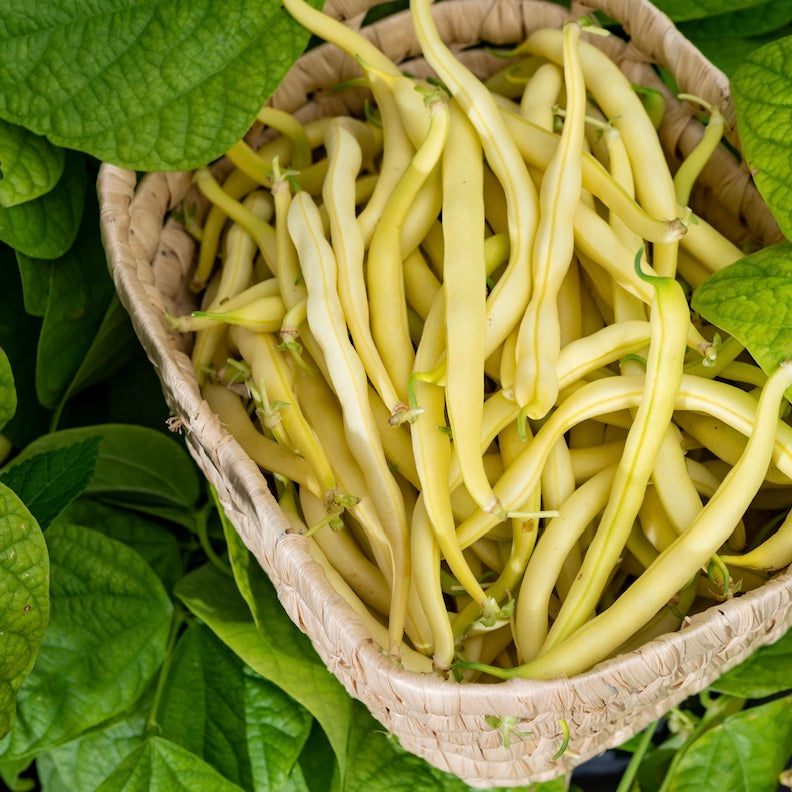
The Golden Wax Bush Bean is a beautiful buttery treat in the garden. With its long, straight yellow pods, this heavy producing stringless bean is easy to cook or can. Grow these alongside Borlotti Bush Beans and Royal Burgundy Bush Beans for an artistic change from the usual green beans.
- Easy to grow
- Stringless variety
- Produces long 5"-7" pods
- Buttery wax bean flavor
SEED PLANTING TIPS
- Botanical name: Phaseolus vulgaris
- Depth to plant seeds: 1" deep
- Spacing between plants: 4"-6" apart
- Spacing between rows: 18"-24" apart
- Days to germinate (sprout): 10-14 days
- Germination soil temps: 70F-85F
- Soil needs: 6.0-7.0 pH
- Sun needs: Full sun
- Frost hardy: No
- Planting season: Spring, summer, fall
- # of plants per sq. ft.: Appx. 4 plants per sq. ft.
- Days to maturity: 65-75 days
Good companion plants: Cucumber, Pea, Rosemary, Thyme, Tomato

Hollyhock, Indian Spring Mix Flowers
From $399 USDUnit price /UnavailableDescription
The spectacular Indian Spring Hollyhock Mix (Alcea rosea) produces towering spikes that can grow to 9' tall with saucer-sized blooms in shades of rose and crimson. Heat- and cold-tolerant, this biennial blooms its first year. Prefers full sun, but can tolerate part shade, even under a Black Walnut tree. The leaves, buds, and petals are edible.
- Life cycle: Biennial
- Bloom season: Summer, fall
- Attracts: Birds, hummingbirds, bees, butterflies, and other pollinators
- Flower meaning: Abundance, ambition, femininity, fertility, fruitfulness
SEED PLANTING TIPS
- Botanical name: Alcea rosea
- Hardiness zones: 2-10
- Planting season: Summer, fall
- Days to maturity: 2nd year
- Cold stratify: Yes
- Depth to plant seeds: Lightly cover - seeds need light to germinate
- Depth to plant seeds: Surface sow
- Spacing between plants: 18"-36" apart
- Days to germinate (sprout): 10-21 days
- Germination soil temps: 60F-70F
- Soil types: Sandy, loamy, chalky, rich, moist, well-drained
- Soil pH: 6.0-8.0
- Water needs: Average
- Sun needs: Full sun, part shade
- Frost tolerant: Yes
- Drought tolerant: Yes
- Deer resistant: Yes
-
From $399 USDUnit price /Unavailable
Description
Green leaf with red veins have a slightly tangy lemon flavor which adds zest to salads and is especially good with fish. The leaves grow up to 8" long and can also be cooked like spinach or even used in soups. Sure to be your new favorite.
55 days to maturity
-
From $399 USDUnit price /Unavailable
Description
The Scarlet Sage (Salvia coccinea), also called Blood Sage, Texas Sage, and Indian Fire, is a fast-growing, tender perennial in the mint family. Produces dense 10" spikes of small, tubular, bright red fragrant blossoms with long stamens. Grows 1'-3' tall on square stems with hairy, heart-shaped foliage. Can be grown as an annual in colder climates. A striking pop of color in any garden or vase.
The leaves of Scarlet Sage are edible, but the flowers are toxic to people and should not be ingested.
- Life cycle: Herbaceous perennial
- Bloom season: Spring, summer, fall
- Attracts: Hummingbirds, birds, bees, butterflies, and other pollinators
- Flower meaning: Good health, longevity, wisdom
SEED PLANTING TIPS
- Botanical name: Salvia coccinea
- Hardiness zones: 8-10
- Planting season: Spring, fall
- Days to maturity: 65-85 days
- Cold stratify: No
- Depth to plant seeds: Lightly cover - seeds need light to germinate
- Spacing between plants: 6"-12" apart
- Days to germinate (sprout): 7-21 days
- Germination soil temps: 65F-75F
- Soil types: Sandy, loamy, dry, moist, well-drained
- Soil pH: 5.5-7.5
- Water needs: Average
- Sun needs: Full sun, part shade
- Frost tolerant: No
- Drought tolerant: Yes
- Deer resistant: Yes
-
From $399 USDUnit price /Unavailable
Description
- Just as the name suggests, this style of gourd will produce a gourd that can be repurposed as a ladle or dipper when dried
- Will grow anywhere from 2-4 feet long with an extra long handle
- Widely used for crafting
- Thin/long/narrow top with wide/round/oval base
- Once harvested, wash the gourd with a non bleaching disinfectant and then lay it out to dry in a well ventilated area
- Just as the name suggests, this style of gourd will produce a gourd that can be repurposed as a ladle or dipper when dried
-
From $399 USDUnit price /Unavailable
Description
The Chinese Forget-Me-Not (Cynoglossum amabile) is a highly productive easy-care annual. Produces adorable, delicate sprays of blue blossoms with scalloped petals around a blue center. Grows 1'-2' tall on thin, hairy stems with lance-shaped foliage. Stunning in the garden or as a cut flower.
- Life cycle: Annual
- Bloom season: Spring, summer
- Attracts: Hummingbirds, bees, butterflies, and other pollinators
- Flower meaning: True love
SEED PLANTING TIPS
- Botanical name: Cynoglossum amabile
- Hardiness zones: 1-10
- Planting season: Spring, fall
- Days to maturity: 75-85 days
- Cold stratify: Yes
- Depth to plant seeds: 1/4"
- Spacing between plants: 8"-12" apart
- Days to germinate (sprout): 7-10 days
- Germination soil temps: 65F-70F
- Soil types: Sandy, loamy, well-drained
- Soil pH: 6.0-7.5
- Water needs: Average
- Sun needs: Full sun, part shade, full shade
- Frost tolerant: Yes
- Drought tolerant: Yes
- Deer resistant: No

Pea - Alaska Early (Earliest of All)
From $399 USDUnit price /UnavailableDescription
The Alaska Early Pea (Pisum sativum), originally named Earliest of All, has a lot of great qualities. As you can guess, it’s one of the earliest to produce in only 55 days. It’s a semi-dwarf frost-tolerant bush variety that grows to only 2'-3' tall and doesn’t require staking. And it produces lots of 2"-3" pods with 5-8 small, plump, smooth, peas inside. Nice flavor that isn’t too sweet. It was renamed in the late 1800s after the steamship Alaska. Can be grown in Alaska, the lower 48, and Hawaii.
- Not too sweet
- Full sun
- High yields
- Early maturity—55 days
- Good for containers
Good companion plants: Bean, Carrot, Cucumber, Parsley, Pepper, Sage, Spinach, Squash, Strawberry, Thyme
SEED PLANTING TIPS
- Botanical name: Pisum sativum
- Hardiness zones: 2-11
- Pea type: English/shelling - remove peas from pod before eating
- Growth habit: Bush - no support
- Depth to plant seeds: 1" deep
- Spacing between plants: 2"-3" apart
- Spacing between rows: 18"-24" apart
- Days to germinate (sprout): 7-21 days
- Germination soil temps: 40F-85F
- Soil needs: Clay, sandy, loamy, chalky, rich, moist, well-drained
- Soil pH: 5.5-7.0
- Sun needs: Full sun
- Frost tolerant: Yes
- # of plants per sq. ft.: Appx. 8 plants per sq. ft.
- Days to maturity: 55-60 days
 From $199 USDUnit price /Unavailable
Description
- The neck of these gourds produce a shape that is very "swan-like"
- Ideal for decorating, painting or selling at markets
- Weighs around 3 lbs
- Can easily reach up to 15 inches in length
- Mostly green in color with prominent cream spots, and the shell usually always stays glossy when dried
- Long thin neck with wide/bulb base
- The neck of these gourds produce a shape that is very "swan-like"
 From $499 USDUnit price /Unavailable
Description

Rapeseed is also used as a cover crop in the US during the winter as it prevents soil erosion, produces large amounts of biomass, suppresses weeds and can improve soil tilth with its root system.
Rapeseed is the third-largest source of vegetable oil.Rapeseed is the second-largest source of protein meal in the world.
Rapeseed oil is used as diesel fuel, either as biodiesel, straight in heated fuel systems, or blended with petroleum distillates for powering motor vehicles.
Rapeseed (Brassica napus subsp. napus), is a bright-yellow flowering member of the family Brassicaceae (mustard or cabbage family), cultivated mainly for its oil-rich seed, which naturally contains appreciable amounts of toxic erucic acid.Rapeseed is the third-largest source of vegetable oil and second-largest source of protein meal in the world.
Source and Photo: Myrabella / Wikimedia Commons - https://en.wikipedia.org/wiki/Rapeseed
-
Aster, Powderpuff (China Aster) Flowers
From $399 USDUnit price /UnavailableDescription
The Powderpuff Aster (Callistephus chinensis) puts out a huge fully double flower that looks like a pom-pom in multiple pastel hues of white, pink, and purple. Also called China Aster, it resembles the Chrysanthemum and grows 2'-3' tall. A soft accent in the garden or tied with a ribbon into a long-lasting bouquet.
- Life cycle: Annual
- Bloom season: Summer, fall
- Attracts: Bees, butterflies, and other pollinators
- Flower meaning: Afterthought, daintiness, elegance, love of variety, patience
SEED PLANTING TIPS
- Botanical name: Callistephus chinensis
- Hardiness zones: 2-11
- Planting season: Spring
- Days to maturity: 90-120
- Cold stratify: No
- Depth to plant seeds: Lightly cover - seeds need light to germinate
- Spacing between plants: 12"-24" apart
- Days to germinate (sprout): 14-21 days
- Germination soil temps: 70F-75F
- Soil types: Loamy, rich, moist, well-drained
- Soil pH: 5.8-6.5
- Water needs: Average
- Sun needs: Full sun, part shade
- Drought tolerant: No
- Deer resistant: Yes
-
From $399 USDUnit price /Unavailable
Description
The Smooth Blue Aster (Symphyotrichum laeve) bursts out gorgeous star-like violet-blue blooms with long smooth petals around a yellow center. Grows on a 2'-3' sturdy stem that also takes on a blue hue. This frost-tolerant flower can bloom through Thanksgiving.
- Life cycle: Herbaceous perennial
- Bloom season: Summer, fall
- Attracts: Bees, butterflies, and other pollinators
- Flower meaning: Afterthought, daintiness, elegance, love of variety, patience
SEED PLANTING TIPS
- Botanical name: Symphyotrichum laeve
- Hardiness zones: 4-8
- Planting season: Spring
- Days to maturity: 90-120
- Cold stratify: Yes
- Depth to plant seeds: Lightly cover - seeds need light to germinate
- Spacing between plants: 12"-24" apart
- Days to germinate (sprout): 14-21 days
- Germination soil temps: 70F-75F
- Soil types: Clay, sandy, loamy, rocky, dry, well-drained
- Soil pH: 5.8-6.5
- Water needs: Average
- Sun needs: Full sun, part shade
- Frost tolerant: Yes
- Drought tolerant: Yes
- Deer resistant: Yes
-
From $399 USDUnit price /Unavailable
Description
The heat- and drought-tolerant, frost-hardy annual Scarlet Flax (Linum grandiflorum) produces small 1" vibrant red five-petal blossoms edged in black on 2'-3' wiry stems with delicate foliage. This ornamental flower lasts only for a day, opening at dawn and dropping its petals by mid-day. And then another blooms tomorrow.
- Life cycle: Annual
- Bloom season: Spring, summer
- Attracts: Bees, butterflies, and other pollinators
- Flower meaning: Creativity, domestication, purity, virtue, wisdom
SEED PLANTING TIPS
- Botanical name: Linum grandiflorum
- Hardiness zones: 1-10
- Planting season: Spring
- Days to maturity: 75-90 days
- Cold stratify: No
- Depth to plant seeds: Lightly cover - seeds need light to germinate
- Spacing between plants: 12"-18" apart
- Days to germinate (sprout): 7-10 days
- Germination soil temps: 65F-75F
- Soil types: Clay, sandy, loamy, silty, well-drained
- Soil pH: 5.5-8.5
- Water needs: Average
- Sun needs: Full sun
- Frost tolerant: Yes
- Drought tolerant: Yes
- Deer resistant: No
-
From $399 USDUnit price /Unavailable
Description
- Just as the name suggests, this style of gourd will produce a gourd that looks like chicken eggs (same colors and sizes)
- Just as the name suggests, this style of gourd will produce a gourd that looks like chicken eggs (same colors and sizes)
-
From $399 USDUnit price /Unavailable
Description
Epazote (Dysphania ambrosioides) is a culinary herb with a lemony green color and serrated leaves, traditionally used to add a bold umami-type depth to Mexican cuisine. Its flavor has been described as a mix of mint and savory with a bit of camphor or turpentine thrown in. An acquired taste. As a companion plant, it attracts beneficial insects and masks the scent of other plants that suffer from pest damage. Also used medicinally to help with stomach upset and to combat intestinal parasites. Can become invasive, so best grown in a container.
- Easy to grow
- Culinary and medicinal uses
- Days to germinate (sprout): 5-7 days
- Quick maturity—only 40 days
-
Squash (Winter) - Crookneck, Cushaw White
From $399 USDUnit price /UnavailableDescription
-
The Cushaw plant produces some of the most beautiful white crookneck squash you've ever seen
- Curved/crook-neck variety
- Grows as a vine (not as a bush)
- Very sweet and full of flavor - perfect for pies and canning
- Ideal for any sized garden and easy to grow
- Days to Maturity | 100 days
Additional Details
Though considered a vegetable in cooking, botanically speaking, squash is a fruit (being the receptacle for the plant's seeds). Squash can be served fresh (in salads) and cooked (squash stuffed with meat, fried squash, baked squash).
-
The Cushaw plant produces some of the most beautiful white crookneck squash you've ever seen
-
Candytuft, Fairy Dwarf Mix Flowers
From $399 USDUnit price /UnavailableDescription
The Fairy Dwarf Candytuft Mix (Iberis umbellata) is a drought-tolerant, low-lying annual with sweet, delicate flowers in an array of white, rose, lavender, and red. Loves full sun, but will tolerate partial shade. Good for ground cover, cottage gardens, or containers.
- Life cycle: Annual
- Bloom season: Spring, summer
- Attracts: Bees, butterflies, moths, and other pollinators
- Flower meaning: Beauty, indifference, joy, sweetness, vitality
SEED PLANTING TIPS
- Botanical name: Iberis umbellata
- Hardiness zones: 3-9
- Planting season: Spring, fall
- Days to maturity: 55-70 days
- Cold stratify: No
- Depth to plant seeds: Lightly cover - seeds need light to germinate
- Spacing between plants: 8"-12" apart
- Days to germinate (sprout): 20-30 days
- Germination soil temps: 70F-80F
- Soil types: Sandy, loamy, dry, well-drained
- Soil pH: 6.0-8.0
- Water needs: Average
- Sun needs: Full sun, part shade
- Frost tolerant: No
- Drought tolerant: Yes
- Deer resistant: No
 From $399 USDUnit price /Unavailable
Description
The Love-in-a-Mist flower (Nigella damascena) is a striking annual in the buttercup family. Produces 1"-2" blossoms in shades of blue, pink, purple, and white. Fluffy petals surround a horned center seed pod, and the entire flower is surrounded by a “mist” of fern-like foliage that continues along the thin stem that grows 1'-2' tall. An old-fashioned flower with modern appeal.
- Life cycle: Annual
- Bloom season: Spring, summer, fall
- Attracts: Bees, butterflies, beneficial insects, and other pollinators
- Flower meaning: Harmony, love, peace, perplexity, unrequited love
SEED PLANTING TIPS
- Botanical name: Nigella damascena
- Hardiness zones: 2-11
- Planting season: Summer, fall
- Days to maturity: 60-90 days
- Cold stratify: Yes
- Depth to plant seeds: Lightly cover - seeds need light to germinate
- Spacing between plants: 8"-10" apart
- Days to germinate (sprout): 14-21 days
- Germination soil temps: 65F-70F
- Soil types: Sandy, loamy, chalky, moist, well-drained
- Soil pH: 6.0-7.0
- Water needs: Average
- Sun needs: Full sun, part shade
- Frost tolerant: Yes
- Drought tolerant: Yes
- Deer resistant: Yes
-
Carrot - Paris Market, 2" Round
From $399 USDUnit price /UnavailableDescription
The Paris Market Carrot (Daucus carota) is a tender, adorable 2" round carrot with very sweet flavor. Grows well in containers, shallow beds, and rocky soil. Half-hardy to frost and light freezes. Good steamed, roasted, and fresh.
- Very sweet and crunchy
- Size: 2" in diameter
- Days to germinate (sprout): 7-21 days
- Days to maturity: 35 days
Good companion plants: Broccoli, Cauliflower, Chives, Lettuce, Onion, Parsley, Peas, Rosemary, Sage, Thyme, Tomato
SEED PLANTING TIPS
- Depth to plant seeds: .25" deep
- Spacing between plants: 2" apart
- Spacing between rows: 18"-24" apart
- Days to germinate (sprout): 7-21 days
- Germination soil temps: 65F-85F
- Soil needs: 6.0-6.8 pH
- Sun needs: Full sun
- Hardiness: Half-hardy to frost and light freezes
- Planting season: Spring, fall
- # of plants per sq. ft.: Appx. 16 plants per sq. ft.
- Days to maturity: 70-75 days

Sunflower, Maximillian Flowers
From $399 USDUnit price /UnavailableDescription
The Maximillian Sunflower (Helianthus maximiliani) is a drought-tolerant perennial. Produces a 3"-5" blossom with veined, pointed bright yellow petals around a dark golden center. Grows 3'-10' tall on branching, hairy stems with multiple blooms per stem, and long, narrow, drooping foliage. Bold, robust, and cheerful.
- Life cycle: Perennial
- Bloom season: Summer
- Attracts: Birds, bees, butterflies, and other pollinators
- Flower meaning: Admiration, devotion, happiness, honesty, loyalty, optimism, peace, vitality
SEED PLANTING TIPS
- Botanical name: Helianthus maximiliani
- Hardiness zones: 4-9
- Planting season: Spring, fall
- Days to maturity: 90-100 days
- Cold stratify: Yes
- Depth to plant seeds: 1/2" deep
- Spacing between plants: 36"-48" apart
- Days to germinate (sprout): 7-25 days
- Germination soil temps: 65F-70F
- Soil types: Clay, sandy, loamy, rocky, dry, well-drained
- Soil pH: 6.5-7.8
- Water needs: Low - do not overwater
- Sun needs: Full sun
- Frost tolerant: No
- Drought tolerant: Yes
- Deer resistant: Yes
-
From $399 USDUnit price /Unavailable
Description
- Just as the name suggests, this style of gourd will produce a gourd that looks like a large green apple.
- Image source commons wiki
- Just as the name suggests, this style of gourd will produce a gourd that looks like a large green apple.
-
From $399 USDUnit price /Unavailable
Description
The Lacy Phacelia (Phacelia tanacetifolia), also known as Scorpionweed and Purple Tansy, is a fast-growing, drought-tolerant, cold-hardy annual in the borage family. Produces coiled, whiskered lavender-colored blossoms that look similar to a scorpion tail, fiddlehead, or thistle. Grows 2'-3' tall on thin, hairy stems with lacy foliage. Plant a few or a field, or add a bit of wildness to a cut arrangement. An especially great companion plant in the vegetable garden as it’s quick to bloom, attracts bees and hoverflies, and stores nitrogen which also makes it a good cover crop.
- Life cycle: Annual
- Bloom season: Summer
- Attracts: Hummingbirds, bees, butterflies, beneficial insects, and other pollinators
- Flower meaning: Determination, endurance, resistance, strength
SEED PLANTING TIPS
- Botanical name: Phacelia tanacetifolia
- Hardiness zones: 3-10
- Planting season: Spring, fall
- Days to maturity: 42-55 days
- Cold stratify: No
- Depth to plant seeds: 1/4" deep
- Spacing between plants: 3"-10" apart
- Days to germinate (sprout): 7-21 days
- Germination soil temps: 40F-65F
- Soil types: Sandy, loamy, silty, rocky, chalky, moist, well-drained
- Soil pH: 6.0-8.5
- Water needs: Average
- Sun needs: Full sun
- Frost tolerant: Yes
- Drought tolerant: Yes
- Deer resistant: Yes
-
Shallot (sets) - French, Red (Organic)
From $399 USDUnit price /UnavailableDescription
Each shallot can typically yield about 5-10 shallots per harvest. Best time to plant is usually in the Fall (Sept. - Nov.)
Quick Overview:
- Semi-long with red papery skin
- Pungent flavor
- Creamy inside
- Easy to peel
- Easy to grow
- Stores very well
- Excellent flavor
How to Plant:
Plant the pointy side of the shallot facing up with no more than 1/4" of soil covering the shallot. Make sure your have 7-8 inches of soil to allow the roots to grow freely. Space each bulb 10" - 12" apart from each other. -
From $399 USDUnit price /Unavailable
Description
The Green Arrow Pea (Pisum sativum) is an old English heirloom shelling pea. A semi-dwarf frost-tolerant bush variety that grows to only 2'-3' tall and doesn't require staking. High yields for a compact plant. Produces lots of 4"-5" pods with 9-11 plump, tender, sweet peas inside. Delicious fresh or cooked, if you don’t eat them all before you make it into the house.
- Sweet and tender
- Full sun
- High yields
- Good fresh or cooked
- Good for containers
Good companion plants: Bean, Carrot, Cucumber, Parsley, Pepper, Sage, Spinach, Squash, Strawberry, Thyme
SEED PLANTING TIPS
- Hardiness zones: 2-11
- Planting season: Spring
- Pea type: English/shelling - remove peas from pod before eating
- Growth habit: Bush - no support
- Depth to plant seeds: 1" deep
- Spacing between plants: 2"-3" apart
- Spacing between rows: 18"-24" apart
- Days to germinate (sprout): 7-21 days
- Germination soil temps: 40F-85F
- Soil needs: Clay, sandy, loamy, chalky, rich, moist, well-drained
- Soil pH: 5.5-7.0
- Sun needs: Full sun
- Frost tolerant: Yes
- # of plants per sq. ft.: Appx. 8 plants per sq. ft.
- Days to maturity: 65-70 days
-
Coreopsis, Lanceleaf Tickseed Flowers
From $399 USDUnit price /UnavailableDescription
The Lanceleaf Coreopsis (Coreopsis lanceolata), also called Lanceleaf Tickseed, is a drought-tolerant perennial. Produces large 2"-3" blossoms with bright yellow notched petals around a golden yellow center. Grows 1'-2' tall on thin stems with narrow, lance-shaped foliage. Blooms continuously throughout the summer.
- Life cycle: Herbaceous perennial
- Bloom season: Summer
- Attracts: Birds, bees, butterflies, beneficial insects, and other pollinators
- Flower meaning: Always cheerful, friendship, happiness, joy, love at first sight, optimism
SEED PLANTING TIPS
- Botanical name: Coreopsis lanceolata
- Hardiness zones: 4-9
- Planting season: Spring, fall
- Days to maturity: 2nd year
- Cold stratify: Yes
- Depth to plant seeds: Lightly cover - seeds need light to germinate
- Spacing between plants: 8"-12" apart
- Days to germinate (sprout): 7-21 days
- Germination soil temps: 65F-75F
- Soil types: Sandy, loamy, rocky, chalky, moist, well-drained
- Soil pH: 5.5-6.5
- Water needs: Average
- Sun needs: Full sun, part shade
- Frost tolerant: No
- Drought tolerant: Yes
- Deer resistant: Yes
-
Evening Primrose, King’s Cure-All Flowers
From $499 USDUnit price /UnavailableDescription
The night-flowering Evening Primrose (Oenothera biennis) has delicate four-petal lemon-scented lemon-yellow 2" blossoms that close every day by noon, opening again in the late afternoon and evening. Plants grow 2'-6' tall on hairy stems tinged with purple.
Also called King’s Cure-All for its herbal and medicinal properties.
- Life cycle: Biennial
- Bloom season: Spring, summer, fall
- Attracts: Birds, bees, butterflies, moths, and other pollinators
- Flower meaning: Bashfulness, inconstancy, longevity, youth
SEED PLANTING TIPS
- Botanical name: Oenothera biennis
- Hardiness zones: 4-9
- Planting season: Spring, summer
- Days to maturity: 2nd year
- Cold stratify: Yes
- Depth to plant seeds: Lightly cover - seeds need light to germinate
- Spacing between plants: 12"-18" apart
- Days to germinate (sprout): 15-30 days
- Germination soil temps: 65F-70F
- Soil types: Sandy, loamy, rich, well-drained
- Soil pH: 5.5-7.5
- Water needs: Average
- Sun needs: Full sun, part shade
- Frost tolerant: No
- Drought tolerant: Yes
- Deer resistant: Yes
-
Blazing Star (Gayfeather) Flowers
From $399 USDUnit price /UnavailableDescription
The Blazing Star/Gayfeather flower (Liatris spicata) produces a long, spiky, fluffy flower that begins blooming at the top of the stem, working its way down until it looks like a wild bottlebrush. This hardy perennial is tolerant of heat, drought, frost, and cold. Stem grows 2'-3' tall, with the purple, pink, or white flower taking it as tall as 6'.
- Life cycle: Perennial
- Bloom season: Summer, fall
- Attracts: Hummingbirds, bees, butterflies, and other pollinators
- Flower meaning: Blissfulness, happiness, joy
SEED PLANTING TIPS
- Botanical name: Liatris spicata
- Hardiness: Zones 3-10
- Planting season: Spring, fall
- Days to maturity: 55-70 days
- Cold stratify: Yes
- Depth to plant seeds: Lightly cover - seeds need light to germinate
- Spacing between plants: 8"-12" apart
- Days to germinate (sprout): 21-35 days
- Germination soil temps: 65F-75F
- Soil types: Clay, sandy, loamy, rocky, chalky, moist, well-drained
- Soil pH: 5.5-7.5
- Water needs: Average
- Sun needs: Full sun
- Frost tolerant: Yes
- Drought tolerant: Yes
- Deer resistant: Yes
-
Shiso, Green (Perilla Leaf, Japanese Basil)
From $399 USDUnit price /UnavailableDescription
Green Shiso (Perilla frutescens), also called Perilla Leaf and Japanese Basil, is an herb in the mint family with large, bright green, wrinkled, serrated leaves. Not as spicy as Red Shiso. Used extensively in Japanese cuisine, it has a fresh minty-basil flavor with notes of clove and cumin, and a bitter, astringent finish. Pairs well with fish, rice, noodles, and vegetables, especially cucumbers. Also a medicinal herb with antioxidant, anti-bacterial, anti-inflammatory, and antiseptic properties. Its rhizome root can become invasive, so best grown in a container.
- Mint-basil-clove-cumin flavor
- Full sun
- Days to germinate (sprout): 7-21 days
- Days to maturity: 80-85 days
Good companion plants: Arugula, Basil, Bok Choy, Parsley, Tomato
-
Gourd - Pear (Small), Bi-Color
From $399 USDUnit price /UnavailableDescription
- Just as the name suggests, this style of gourd will produce a gourd that is half yellow and half green in the shape of a small pear.
- Just as the name suggests, this style of gourd will produce a gourd that is half yellow and half green in the shape of a small pear.
-
From $199 USDUnit price /Unavailable
Description
- Just as the name suggests, this style of gourd will produce a gourd that can be repurposed as large bowl when dried.
- Just as the name suggests, this style of gourd will produce a gourd that can be repurposed as large bowl when dried.
-
From $399 USDUnit price /Unavailable
Description
The Crego Mix Aster (Callistephus chinensis) is a showy collection of full 4" flower heads with delicate curled petals in multiple pastel hues of red, white, pink, and purple. Also called China Aster, it resembles the Chrysanthemum and grows 2'-3' tall. A soft accent in the garden or as a cut flower.
- Life cycle: Annual
- Bloom season: Summer, fall
- Attracts: Bees, butterflies, and other pollinators
- Flower meaning: Afterthought, daintiness, elegance, love of variety, patience
SEED PLANTING TIPS
- Botanical name: Callistephus chinensis
- Hardiness zones: 2-11
- Planting season: Spring
- Days to maturity: 90-120
- Cold stratify: No
- Depth to plant seeds: Lightly cover - seeds need light to germinate
- Spacing between plants: 8"-12" apart
- Days to germinate (sprout): 14-21 days
- Germination soil temps: 70F-75F
- Soil types: Loamy, well-drained
- Soil pH: 5.5-7.5
- Water needs: Average
- Sun needs: Full sun, part shade
- Frost tolerant: No
- Drought tolerant: No
- Deer resistant: Yes
-
Coneflower, Yellow Prairie (Mexican Hat) Flowers
From $399 USDUnit price /UnavailableDescription
The Yellow Prairie Coneflower (Ratibida columnifera), also called Mexican Hat, is the pure yellow form of the native Prairie Coneflower. Grows 15"-24" tall on slender stems with yellow petals that skirt a tall upright cone. This drought-tolerant droopy petaled daisy loves the heat. A cheerful mid-summer pick-me-up that blooms into fall.
- Life cycle: Perennial
- Bloom season: Spring, summer, fall
- Attracts: Birds, bees, butterflies, beneficial insects, and other pollinators
- Flower meaning: Healing, health, strength
SEED PLANTING TIPS
- Botanical name: Ratibida columnifera
- Hardiness zones: 4-9
- Planting season: Spring, fall
- Days to maturity: 2nd year
- Cold stratify: Yes
- Depth to plant seeds: Lightly cover - seeds need light to germinate
- Spacing between plants: 12"-18" apart
- Days to germinate (sprout): 7-21 days
- Germination soil temps: 65F-75F
- Soil types: Clay, sandy, loamy, silty, chalky, rocky, dry, moist
- Soil pH: 6.8-7.2
- Water needs: Average
- Sun needs: Full sun
- Frost tolerant: No
- Drought tolerant: Yes
- Deer resistant: Yes
-
Zinnia, Polar Bear Flowers seeds
From $399 USDUnit price /UnavailableDescription
The Polar Bear Zinnia (Zinnia elegans) is a tender annual with a long 3-month blooming period. Produces huge 4"-5" double blossoms with long, oval crisp white petals around a golden center. Grows 2'-3' tall on sturdy stems with lance-shaped foliage.Stunning as a long-lasting cut flower in a bouquet or vase.
- Life cycle: Annual
- Bloom season: Spring, summer, fall
- Attracts: Bees, butterflies, and other pollinators
- Flower meaning: Acclaim, affection, elegance, farewell, friendship, healing, peace, purity, remembrance, strength
SEED PLANTING TIPS
- Botanical name: Zinnia elegans
- Hardiness zones: 2-11
- Planting season: Spring, summer
- Days to maturity: 60-70 days
- Cold stratify: No
- Depth to plant seeds: 1/4" deep
- Spacing between plants: 12"-18" apart
- Days to germinate (sprout): 5-7 days
- Germination soil temps: 70F-75F
- Soil types: Sandy, loamy, rich, moist, well-drained
- Soil pH: 5.5-7.5
- Water needs: Average
- Sun needs: Full sun
- Frost tolerant: No
- Drought tolerant: Yes
- Deer resistant: Yes
-
From $499 USDUnit price /Unavailable
Description
Onion sprouts and microgreens are increasingly popular among indoor gardeners due to their rapid growth and nutritional benefits. These small, tender plants are not only easy to cultivate but also provide a fresh addition to various dishes. This guide will provide insights into the process of growing onion sprouts and microgreens indoors, focusing on the necessary conditions, techniques, and benefits.
Onion sprouts typically germinate within 7 to 14 days, making them an excellent choice for those seeking a quick harvest.
Soak the seeds in water for a few hours before planting can enhance germination rates, as it allows the seeds to absorb moisture and initiate the sprouting process.
For indoor cultivation, a shallow tray filled with a growing medium, such as potting soil or coconut coir, is recommended. The medium should be moistened but not overly saturated, as excess water can lead to mold growth. Once the seeds are evenly spread across the surface, a light layer of soil can be added to cover them. Maintaining a consistent moisture level is crucial during the germination phase.
Light is another critical factor in the successful growth of onion sprouts and microgreens. They require approximately 12 to 16 hours of light daily. Natural sunlight is ideal, but if this is not available, using fluorescent or LED grow lights can effectively supplement their needs. Positioning the lights about 2 to 4 inches above the plants will help prevent leggy growth while ensuring adequate light exposure.
Temperature also plays a significant role in the growth of onion sprouts. A range of 65°F to 75°F (18°C to 24°C) is optimal for germination and growth. Monitoring the temperature and adjusting the environment as necessary will promote healthy development. Additionally, good air circulation is essential to prevent fungal diseases, which can be a concern in indoor settings.
Harvesting onion sprouts and microgreens can begin once they reach about 2 to 4 inches in height, typically within 10 to 20 days after planting. Using scissors, cut the sprouts just above the soil line. This method allows for a clean harvest while minimizing damage to the remaining roots, which may allow for a second harvest if conditions are favorable.
Incorporating onion sprouts and microgreens into your diet can provide numerous health benefits. They are rich in vitamins, minerals, and antioxidants, contributing to overall well-being. Additionally, growing these plants indoors can enhance your culinary experience, providing fresh flavors and textures to salads, sandwiches, and garnishes.
In conclusion, growing onion sprouts and microgreens indoors is a straightforward and rewarding endeavor. With the right conditions and care, you can enjoy a continuous supply of fresh greens, enhancing both your meals and your gardening skills.
-
Squash (Winter) - Queensland Blue
From $399 USDUnit price /UnavailableDescription
The Queensland Blue Winter Squash (Cucurbita maxima) is an Australian Blue pumpkin with beautiful blue-green skin, gray foliage, and bright orange flesh that’s fragrant, meaty, and sweet. Deeply ribbed, slightly flattened, and can weigh 8 lbs-20 lbs. Dependable producer with a vining growth habit. Keeps for up to 6 months under proper storage conditions. Great for baking, canning, and roasting.
- Sweet and firm
- High yields
- Dependable producer
- Good keeper
SEED PLANTING TIPS
- Botanical name: Cucurbita maxima
- Hardiness zones: 3-11
- Planting season: Spring, summer
- Squash size: Large
- Growth habit: Vine (6'-10' long), trellis support or generous bed/ground space
- Depth to plant seeds: 1" deep
- Spacing between plants: 10'-12' apart
- Spacing between rows: 10'-15' apart
- Days to germinate (sprout): 5-10 days
- Germination soil temps: 70F-85F
- Soil needs: Loamy, rich, moist, well-drained
- Soil pH: 6.0-6.8
- Sun needs: Full sun
- Frost tolerant: No
- Days to maturity: 100-120 days
Good companion plants: Bean, Dill, Epazote, Marigold, Pea, Pepper, Sage, Thyme
Though considered a vegetable in cooking, botanically speaking, squash is a fruit (being the receptacle for the plant's seeds). Squash can be served fresh (in salads) and cooked (squash stuffed with meat, fried squash, baked squash).
-
Carrot - Solar Yellow, 7" Long
From $399 USDUnit price /UnavailableDescription
The Solar Yellow Carrot (Daucus carota) is a sunny yellow carrot with a crispy crunch and a flavor slightly sweeter than the orange ones. Grows 7" long with a tapered root. Harvest sooner for small carrots. Half-hardy to frost and light freezes.
- Sweet and crunchy
- Size: 7" long
- Days to germinate (sprout): 7-21 days
- Days to maturity: 75-80
Good companion plants: Broccoli, Cauliflower, Chives, Lettuce, Onion, Parsley, Peas, Rosemary, Sage, Thyme, Tomato
SEED PLANTING TIPS
- Depth to plant seeds: .25" deep
- Spacing between plants: 2" apart
- Spacing between rows: 18"-24" apart
- Days to germinate (sprout): 7-21 days
- Germination soil temps: 65F-85F
- Soil needs: 6.0-6.8 pH
- Sun needs: Full sun
- Hardiness: Half-hardy to frost and light freezes
- Planting season: Spring, fall
- # of plants per sq. ft.: Appx. 16 plants per sq. ft.
- Days to maturity: 70-75 days
-
From $399 USDUnit price /Unavailable
Description
The Purple Haze Carrot (Daucus carota) is dark purple on the outside and bright orange on the inside. Fun when sliced into coins. Grows 6"-8" with tapered roots, good texture, and sweet flavor. Half-hardy to frost and light freezes. Good steamed, roasted, and fresh.
- F1 hybrid
- Sweet and crunchy
- Size: 6"-8" long
- Days to germinate (sprout): 7-21 days
- Days to maturity: 70-75
- Can be harvested sooner for mini sized carrots
Good companion plants: Broccoli, Cauliflower, Chives, Lettuce, Onion, Parsley, Peas, Rosemary, Sage, Thyme, Tomato
SEED PLANTING TIPS
- Depth to plant seeds: .25" deep
- Spacing between plants: 2" apart
- Spacing between rows: 18"-24" apart
- Days to germinate (sprout): 7-21 days
- Germination soil temps: 65F-85F
- Soil needs: 6.0-6.8 pH
- Sun needs: Full sun
- Hardiness: Half-hardy to frost and light freezes
- Planting season: Spring, fall
- # of plants per sq. ft.: Appx. 16 plants per sq. ft.
- Days to maturity: 70-75 days
-
Lunaria Silver Dollar (Money Plant) Flowers
From $499 USDUnit price /UnavailableDescription
The Lunaria Silver Dollar (Lunaria annua) is a most unusual biennial. Also called Money Plant, Honesty Plant, and Moonwort, it produces small, fragrant lavender blossoms with a separate seed pod in the form of a flat, translucent disk membrane. When immature, the disk is green. As the plant dies, the seed pod turns as silvery and shimmery as a full moon or silver dollar coin. Grows 2'-3' tall on thin, hairy stems with serrated, heart-shaped foliage. Fantastic in dried floral arrangements or wreaths.
- Life cycle: Herbaceous biennial
- Bloom season: Spring
- Attracts: Bees, butterflies, and other pollinators
- Flower meaning: Honesty, money, sincerity
SEED PLANTING TIPS
- Botanical name: Lunaria annua
- Hardiness zones: 5-9
- Planting season: Summer, fall
- Days to maturity: 2nd year
- Cold stratify: Yes
- Depth to plant seeds: Lightly cover - seeds need light to germinate
- Spacing between plants: 12"-18" apart
- Days to germinate (sprout): 10-14 days
- Germination soil temps: 60F-70F
- Soil types: Sandy, loamy, rich, well-drained
- Soil pH: 6.0-7.5
- Water needs: Average
- Sun needs: Full sun, part shade
- Frost tolerant: Yes
- Drought tolerant: Yes
- Deer resistant: No
-
Squash (Winter) - Banana, Pink JUMBO
From $499 USDUnit price /UnavailableDescription
The Pink Banana Winter Squash (Cucurbita maxima) is a jumbo cylindrical winter squash that can grow to more than 4' long, 1' in diameter, and 50 lbs!!! Flavor and texture is best when it’s about 30" and 30 lbs, or harvest as a summer squash when 6"-8" long, and a fingernail can pierce the skin. Prolific producer with a vining growth habit. Pinkish orange skin and yellow-orange flesh that is sweet, firm, dry, and not stringy. With a flavor similar to Acorn Squash, it can be used as a substitute. Great for baking, canning, roasting.
- Sweet and firm
- High yields
- JUMBO 30 lbs-50 lbs
- Harvest early for summer squash
Good companion plants: Bean, Dill, Epazote, Marigold, Pea, Pepper, Sage, Thyme
Though considered a vegetable in cooking, botanically speaking, squash is a fruit (being the receptacle for the plant's seeds). Squash can be served fresh (in salads) and cooked (squash stuffed with meat, fried squash, baked squash).
SEED PLANTING TIPS
- Botanical name: Cucurbita maxima
- Hardiness zones: 3-11
- Planting season: Spring, summer
- Squash size: Ginormous
- Growth habit: Vine (12'-15' long), trellis support or generous bed/ground space
- Depth to plant seeds: 1" deep
- Spacing between plants: 10'-12' apart
- Spacing between rows: 10'-15' apart
- Days to germinate (sprout): 5-10 days
- Germination soil temps: 70F-85F
- Soil needs: Loamy, rich, moist, well-drained
- Soil pH: 6.0-6.8
- Sun needs: Full sun
- Frost tolerant: No
- Days to maturity: Appx. 100 days
-
Globe Gilia (Queen Anne’s Thimble) Flowers
From $399 USDUnit price /UnavailableDescription
The Globe Gilia (Gilia capitata) is an easy-care drought-tolerant annual. Produces globe-shaped 1"-2" blue-hued flowers on thin stems with lacy foliage that grow 2' to 3' tall. Also called Queen Anne’s Thimble for its resemblance to a pincushion.
- Life cycle: Annual
- Bloom season: Spring, summer
- Attracts: Bees, butterflies, beneficial insects, and other pollinators
- Flower meaning: Affection, beauty, desire, hope, inspiration, love
SEED PLANTING TIPS
- Botanical name: Gilia capitata
- Hardiness zones: 3-10
- Planting season: Spring, fall
- Days to maturity: 60 days
- Cold stratify: Yes
- Depth to plant seeds: 1/8" deep
- Spacing between plants: 6"-8" apart
- Days to germinate (sprout): 14-21 days
- Germination soil temps: 70F-75F
- Soil types: Sandy, loamy, rocky, dry, well-drained
- Soil pH: 6.0-7.0
- Water needs: Low - do not overwater
- Sun needs: Full sun
- Frost tolerant: No
- Drought tolerant: Yes
- Deer resistant: Yes
-
Zinnia, California Giant Mix Flowers seeds
From $399 USDUnit price /UnavailableDescription
The California Giant Zinnia (Zinnia elegans) is a popular choice among gardeners due to its vibrant colors and robust growth. This annual flowering plant is known for its large, showy blooms that can reach up to 4 inches in diameter. The California Giant Zinnia is particularly favored for its ability to thrive in a variety of garden settings, making it a versatile addition to any landscape.
One of the key characteristics of the California Giant Zinnia is its impressive height, which can range from 24 to 36 inches. This makes it an excellent choice for creating visual interest in garden beds or as a backdrop for shorter plants. The plant's sturdy stems and broad leaves contribute to its overall resilience, allowing it to withstand various environmental conditions.
In terms of cultivation, the California Giant Zinnia prefers full sun, requiring at least 6 to 8 hours of direct sunlight each day. This exposure not only promotes healthy growth but also enhances the vibrancy of its flowers. The plant thrives in well-drained soil with a pH level between 6.0 and 7.0. Regular watering is essential, particularly during dry spells, but care should be taken to avoid waterlogging, which can lead to root rot.
California Giant Zinnias are also known for their impressive blooming period, which typically lasts from late spring until the first frost. This extended flowering season makes them an ideal choice for gardeners looking to maintain color in their gardens throughout the summer months. Additionally, the flowers are attractive to pollinators, including bees and butterflies, contributing to the overall health of the garden ecosystem.
When it comes to maintenance, deadheading spent blooms can encourage further flowering and promote a bushier growth habit. Fertilization with a balanced, water-soluble fertilizer every 4 to 6 weeks can also enhance growth and flowering potential. It is important to monitor for common pests such as aphids and spider mites, which can affect the health of the plant. Implementing integrated pest management strategies can help mitigate these issues effectively.
In summary, the California Giant Zinnia is a striking and resilient plant that can enhance any garden space. Its vibrant blooms, ease of care, and ability to attract pollinators make it a valuable addition to both ornamental and vegetable gardens. By understanding its growth requirements and maintenance needs, gardeners can successfully cultivate this beautiful flower, contributing to a thriving and colorful garden environment.
SEED PLANTING TIPS
- Botanical name: Zinnia elegans
- Hardiness zones: 2-11
- Planting season: Spring, summer
- Days to maturity: 60-70 days
- Cold stratify: No
- Depth to plant seeds: 1/4" deep
- Spacing between plants: 12"-18" apart
- Days to germinate (sprout): 5-7 days
- Germination soil temps: 70F-75F
- Soil types: Sandy, loamy, rich, moist, well-drained
- Soil pH: 5.5-7.5
- Water needs: Average
- Sun needs: Full sun
- Frost tolerant: No
- Drought tolerant: Yes
- Deer resistant: Yes

Alyssum, Carpet of Snow (Sweet Alyssum) Flowers Seeds
From $399 USDUnit price /UnavailableDescription
-
Amaranth - Tri Color (Joseph's Coat) seeds
From $399 USDUnit price /UnavailableDescription
Amaranthus tricolor, commonly known as Joseph's Coat, is a vibrant and visually striking flowering plant that is often utilized in ornamental gardening. This species is characterized by its broad, colorful leaves that can display a range of hues including red, yellow, and green. The plant typically reaches a height of 2 to 4 feet and can spread up to 3 feet wide, making it a prominent feature in garden landscapes.
One of the notable aspects of Amaranthus tricolor is its adaptability to various soil types. It thrives in well-drained soils and can tolerate poor soil conditions, which makes it an excellent choice for gardeners looking to enhance their landscapes with minimal maintenance. The plant prefers full sun exposure, requiring at least six hours of direct sunlight each day to achieve optimal growth and color vibrancy.
In terms of cultivation, Amaranthus tricolor is relatively easy to grow from seeds. The seeds should be sown directly into the garden after the last frost date, as the plant is sensitive to cold temperatures. Germination typically occurs within 7 to 14 days under suitable conditions. Once established, the plant is drought-tolerant, requiring watering only during prolonged dry spells.
From a nutritional perspective, Amaranthus tricolor is not only ornamental but also edible. The young leaves can be harvested and consumed in salads or cooked as a green vegetable, providing a source of vitamins A and C, as well as essential minerals. This dual-purpose nature enhances its appeal for gardeners interested in both aesthetics and food production.
Furthermore, Amaranthus tricolor attracts beneficial insects, such as pollinators, which can enhance the overall health of the garden ecosystem. The flowers, which are small and clustered, bloom throughout the summer and into the fall, providing a continuous source of color and attracting various species of bees and butterflies.
In conclusion, Amaranthus tricolor is a versatile and attractive addition to any garden. Its vibrant foliage, ease of cultivation, and nutritional benefits make it a valuable choice for both ornamental and edible gardening. Gardeners should consider incorporating this plant into their landscapes to enjoy its beauty and contributions to biodiversity.
Health Benefits of Amaranth
Do you have grey hair? Amaranth helps to prevent premature graying, mainly due to the minerals it contains. It helps to lower bad cholesterol and also can reduce inflammation and ease pain. Especially important for people suffering from diabetes, heart disease, and stroke. Great for tackling high blood pressure and may even help prevent cancer. Don't forget it is a wonderful source of protein.
Ways to Consume Amaranth
Amaranth is a lot like quinoa as far as being a "protein packed" seed. You can roast, pop, or boil these seeds. Use as a breakfast cereal, or combine it with other grains. Amaranth is a wonderful soup thickener because of it's gelatinous quality when cooked. Cook the leaves of the Amaranth plant, similar to how you would cook/use spinach leaves.

See Amaranth Recipes & Growing Tips on our Pinterest Board
-
From $399 USDUnit price /Unavailable
Description
The common milkweed (Asclepias Syriaca) is a perennial plant native to North America, known for its distinctive clusters of pink to purple flowers and its ecological significance. This plant typically grows to a height of 3 to 4 feet and thrives in a variety of soil types, preferring well-drained, sandy loam. It is commonly found in fields, roadsides, and disturbed areas, making it an adaptable choice for gardeners looking to enhance biodiversity.
Blooms continuously summer through fall, providing migrating monarchs with nectar snacks for their long journey and a place to lay their eggs. Can be grown as an annual in cooler grow zones. Lovely and long-lasting in cut flower arrangements.
- Life cycle: Herbaceous perennial
- Bloom season: Summer, fall
- Attracts: Beneficial insects, hummingbirds, bees, butterflies, and other pollinators
- Flower meaning: Dignity, freedom, rejection, remembrance, solitude
As a medicinal plant, Milkweed has been used internally to treat diarrhea, gonorrhea, intestinal parasites and worms, pneumonia, spleen inflammation, and stomach tumors, and externally to treat bleeding, boils, corns, dermatitis, eye infections, ringworm, skin parasites, snakebites, sores, warts, and wounds.
⚠️ Although Milkweed is known to be safe when used correctly, all parts of the plant are toxic and may even cause death to people, pets, horses, and livestock if ingested in large quantities. The milky sap is a skin irritant. Do not ingest while pregnant or nursing.
⚠️ Medicinal properties are presented as information only, and are not a recommendation or prescription for use. Consult a medical professional before using any plant medicinally.
NOTE: A parasite, Ophryocystis elektroscirrha (OE), travels with monarchs and is deposited on every plant they visit. In warm grow zones where this non-native milkweed does not die back from a killing frost, the OE parasite can build up and harm the caterpillars that feed on the leaves and the butterflies they become. A continuously blooming milkweed may also encourage the monarchs to dally rather than migrate, which interrupts their reproductive cycle. It’s easy to eliminate both dangers, by cutting your plants to the ground at least once per season.
SEED PLANTING TIPS
- Botanical name: Asclepias curassavica
- Hardiness zones: 8-11
- Planting season: Spring, fall
- Days to maturity: 100-120 days
- Cold stratify: No
- Depth to plant seeds: 1/4" deep - Soaking seeds in warm water overnight aids germination.
- Spacing between plants: 1'-2' apart
- Days to germinate (sprout): 10-21 days
- Germination soil temps: 60F-70F
- Soil types: Clay, caliche, sandy, loamy, silty, rocky, chalky, rich, dry, moist, wet
- Soil pH: 6.1-7.5
- Water needs: Average
- Sun needs: Full sun, part shade
- Frost tolerant: No
- Drought tolerant: Yes
- Deer resistant: Yes
More facts about Milkweed:
- The beautiful monarch butterflies rely on milkweed to lay their eggs upon. Sadly, habitats that naturally support monarchs are becoming fewer in number each year. New urban development & chemically treated "big agriculture" are destroying habitats of milkweed all over the United States.
- Sow in early January for first year blooms.
-
Sunflower, All Sorts Surprise Mix Flowers
From $499 USDUnit price /UnavailableDescription
Includes a mix of all sorts of different sunflowers! Be surprised as you watch they grow in your garden.
-
From $399 USDUnit price /Unavailable
Description
The Lavender Vera plant, scientifically known as Lavandula angustifolia, is a perennial herb renowned for its aromatic qualities and vibrant purple flowers. This plant is native to the Mediterranean region and has been cultivated for centuries due to its numerous benefits and applications in gardening, aromatherapy, and culinary arts.
One of the primary advantages of incorporating Lavender Vera into a garden is its ability to attract pollinators. Studies indicate that lavender can attract up to 30% more bees and butterflies compared to other flowering plants. This is particularly beneficial for gardeners aiming to enhance biodiversity and support local ecosystems.
Lavender Vera is also known for its drought-resistant properties. Once established, this plant requires minimal water, making it an excellent choice for sustainable gardening practices. Research shows that lavender can thrive in well-drained soils with low moisture levels, which can reduce the overall water consumption in a garden by approximately 20%.
In addition to its ecological benefits, Lavender Vera has a variety of uses in the home. The essential oils extracted from its flowers are widely used in aromatherapy for their calming effects. According to a study published in the Journal of Alternative and Complementary Medicine, inhaling lavender oil can reduce anxiety levels by up to 30% in individuals experiencing stress.
From a culinary perspective, Lavender Vera can be utilized in various recipes, including desserts, teas, and savory dishes. Its unique flavor profile adds a distinct floral note that can enhance the overall taste of a dish. However, it is essential to use culinary-grade lavender to ensure safety and palatability.
When cultivating Lavender Vera, it is crucial to consider its growing conditions. This plant thrives in full sun and well-drained soil, with a pH level between 6.5 and 7.5. Proper spacing is also vital, as mature plants can reach heights of 2 to 3 feet and spread up to 4 feet wide. Adequate air circulation around the plants can help prevent fungal diseases, which are common in humid environments.
In conclusion, the Lavender Vera plant is a valuable addition to any garden. Its ability to attract pollinators, drought-resistant nature, and versatile applications make it an ideal choice for both novice and experienced gardeners. By understanding the specific needs and benefits of Lavender Vera, gardeners can create a thriving and sustainable environment that enhances both aesthetics and functionality.
Follow SeedsNow.com's board Lavendar on Pinterest. -
From $399 USDUnit price /Unavailable
Description
- Produces beautiful purple radishes with a white flesh
- Looks amazing & Great for culinary dishes
- The flesh is crisp and mild in flavor
- Great for selling at farmers markets
- Unique and rare heirloom radish
- Grows well in containers and small spaces
-
Days to Maturity | 25-30 days
Additional DetailsRadishes are rich in ascorbic acid, folic acid, and potassium. They are a good source of vitamin B6, riboflavin, magnesium, copper, and calcium. One cup of sliced red radish bulbs provides approximately 20 calories, largely from carbohydrates
Follow SeedsNow.com's board Radishes on Pinterest. - Produces beautiful purple radishes with a white flesh
-
Lettuce - Marvel of Four Seasons
From $399 USDUnit price /UnavailableDescription

Marvel of Four Seasons lettuce plant, also known as Lactuca sativa, is a popular variety of lettuce that is highly sought after by gardeners and salad enthusiasts. This unique lettuce variety is known for its beautiful red and green leaves, making it a visually appealing addition to any garden or salad bowl.
Marvel of Four Seasons lettuce is a cool-season crop that thrives in mild climates and can be grown in both spring and fall. It is a loose-leaf lettuce variety, which means that the leaves grow in a loose, open head rather than forming a tight, compact head like other lettuce varieties.
One of the key features of Marvel of Four Seasons lettuce is its exceptional taste. The leaves have a delicate, buttery flavor with a slight hint of bitterness, making it a versatile ingredient in salads, sandwiches, and wraps. Its crisp texture adds a refreshing crunch to any dish.
Growing Marvel of Four Seasons lettuce is relatively easy, making it a great choice for both beginner and experienced gardeners. It prefers well-drained soil and requires regular watering to keep the soil moist. This lettuce variety can be grown in containers, raised beds, or directly in the ground.
When planting Marvel of Four Seasons lettuce, it is important to sow the seeds thinly and cover them with a thin layer of soil. The seeds should be spaced about 6 inches apart to allow room for the plants to grow. It is recommended to provide the plants with partial shade to protect them from excessive heat.
Harvesting Marvel of Four Seasons lettuce is a rewarding experience. The leaves can be harvested individually as needed or the entire plant can be harvested at once. To harvest the leaves, simply cut them off at the base using a sharp knife or scissors. The plant will continue to produce new leaves, allowing for multiple harvests throughout the growing season.
Marvel of Four Seasons lettuce is not only a delicious and visually appealing addition to your garden, but it is also packed with nutritional benefits. It is a good source of vitamins A and K, as well as folate and fiber. Adding this lettuce variety to your diet can contribute to a healthy and balanced lifestyle.
Whether you are a seasoned gardener or just starting out, Marvel of Four Seasons lettuce is a fantastic choice for your garden. Its beautiful appearance, delicious taste, and nutritional benefits make it a must-have for any lettuce lover. Start growing your own Marvel of Four Seasons lettuce today and enjoy the satisfaction of harvesting your own fresh, homegrown lettuce.
Click here for our complete Lettuce grow guide -
From $399 USDUnit price /Unavailable
Description
Are you looking to add a new pepper plant to your garden? Consider the Marconi pepper plant, a popular choice among gardeners for its mild flavor and versatility in the kitchen. Let's explore the ins and outs of growing this plant in your own backyard.
What are Marconi peppers?
Marconi peppers, also known as Italian frying peppers, are elongated, sweet peppers that are typically harvested when they are green or red. These peppers are prized for their thin walls, making them perfect for sautéing, grilling, or roasting. With a mild, slightly sweet flavor, Marconi peppers are a favorite in Mediterranean cuisine.
How to grow Marconi pepper plants
When planting Marconi pepper seeds, it's important to choose a sunny spot in your garden with well-draining soil. These plants thrive in warm weather, so make sure to plant them after the last frost date in your area. Space the plants about 18 inches apart to allow for proper growth.
Water the plants regularly, ensuring that the soil remains consistently moist but not waterlogged. Fertilize the plants every few weeks with a balanced fertilizer to promote healthy growth. As the peppers begin to develop, provide support for the plants to prevent them from bending or breaking under the weight of the fruit.
Harvesting and using Marconi peppers
Marconi peppers can be harvested when they reach their full size, typically around 6-8 inches in length. You can pick the peppers when they are green for a milder flavor or wait until they turn red for a sweeter taste. Simply cut the peppers from the plant using a pair of scissors or pruning shears.
These versatile peppers can be used in a variety of dishes, from stir-fries and salads to sandwiches and pasta dishes. Roast them for a smoky flavor, or pickle them to enjoy their crisp texture year-round. The possibilities are endless with Marconi peppers in your kitchen!
Are you ready to add the Marconi pepper plant to your garden? With the right care and attention, you can enjoy a bountiful harvest of these delicious peppers throughout the growing season. Happy gardening!
SEED PLANTING TIPS
- Botanical name: Capsicum annuum
- Plant support: Tomato cage or stake
- Depth to plant seeds: .25" deep
- Spacing between plants: 18"-24" apart
- Spacing between rows: 24"-36" apart
- Days to germinate (sprout): 7-21 days
- Germination soil temps: 75F-85F
- Soil needs: 6.0-7.0 pH
- Sun needs: Full sun
- Frost hardy: No
- Planting season: Spring, summer
- # of plants per sq. ft.: Appx. 1 plant per 2 sq. ft.
- Days to maturity: 65-80 days
Good companion plants: Basil, Carrot, Cucumber, Eggplant, Okra, Rosemary, Sage, Squash, Tomato
All Peppers ⟐ Sweet Peppers 📚 Sweet Peppers Grow Guide




🌱 Featured Seed Types (A - Z)
View all


continue shopping