

Tomato - Bradley (Indeterminate) seeds
From $399 USDUnit price /UnavailableDescription
The Bradley Tomato is a sweet little pink tomato. By sweet, we mean lightly sweet and slightly acidic. By little, well, that’s just what you say when you describe something darling; it’s a medium-sized fruit. As for pink, it’s a dark pink. To be precise, it’s a lightly sweet and slightly acidic medium-sized dark pink tomato. A reliable producer with good-old fashioned tomato flavor.
- Well-balanced flavor
- Dark pink color
- Reliable producer
- Good fresh or cooked
SEED PLANTING TIPS
- Botanical name: Solanum lycopersicum
- Growth type: Indeterminate, trellis support, regular pruning
- Tomato size: Medium
- Depth to plant seeds: .25" deep
- Spacing between plants: 24" apart
- Spacing between rows: 36"-48" apart
- Days to germinate (sprout): 7-14 days
- Germination soil temps: 75F-95F
- Soil needs: 6.0-6.5 pH
- Sun needs: Full sun
- Frost hardy: No
- Planting season: Spring, summer
- # of plants per sq. ft.: Appx. 1 plant per 2 sq. ft.
- Days to maturity: 75-80 days
Good companion plants: Basil, Borage, Onion, Parsley, Pepper

Tomato - Marglobe Supreme (Indeterminate) seeds
From $299 USDUnit price /UnavailableDescription
The Marglobe Supreme Tomato has been producing reliable yields of marvelous scarlet globes with supreme tomato flavor for more than 100 years. These time-tested juicy slicers are smooth, firm, and stocky with good old-fashioned tomato flavor. Supremely satisfying when eaten fresh, canned, or sun-dried.
- Juicy slicers
- Reliable producer
- Good tomato flavor
- Good fresh or cooked
SEED PLANTING TIPS
- Botanical name: Solanum lycopersicum
- Growth type: Indeterminate, trellis support, regular pruning
- Tomato size: Medium
- Depth to plant seeds: .25" deep
- Spacing between plants: 24" apart
- Spacing between rows: 36"-48" apart
- Days to germinate (sprout): 7-14 days
- Germination soil temps: 75F-95F
- Soil needs: 6.0-6.5 pH
- Sun needs: Full sun
- Frost hardy: No
- Planting season: Spring, summer
- # of plants per sq. ft.: Appx. 1 plant per 2 sq. ft.
- Days to maturity: 70-80 days
Click here to view our full Tomato grow guide
Good companion plants: Basil, Borage, Onion, Parsley, Pepper
-
Tomato - Oxheart, Pink (Indeterminate) seeds
From $299 USDUnit price /UnavailableDescription

Valentine’s Day is too early to grow the Pink Oxheart Tomato, but you’ll have all summer to court your sweetheart with these dark pink heart-shaped fruits. Juicy and meaty, this luscious slicer grows to 1-2 lbs. Its mild, sweet flavor is just right for a romantic picnic of tomato sandwiches, pizza and a movie, or marinated tomato tortellini by candlelight.
You may also like: Orange Oxheart Tomatoes ⟐ Yellow Oxheart Tomatoes- High yields
- Low acidity
- Small seed core
- Mild, sweet flavor
SEED PLANTING TIPS
- Botanical name: Solanum lycopersicum
- Growth type: Indeterminate, trellis support, regular pruning
- Tomato size: Large (1-2 lbs.)
- Depth to plant seeds: .25" deep
- Spacing between plants: 24" apart
- Spacing between rows: 36"-48" apart
- Days to germinate (sprout): 7-14 days
- Germination soil temps: 75F-95F
- Soil needs: 6.0-6.5 pH
- Sun needs: Full sun
- Frost hardy: No
- Planting season: Spring, summer
- # of plants per sq. ft.: Appx. 1 plant per 2 sq. ft.
- Days to maturity: 80-90 days
Click here to view our full Tomato grow guide
Good companion plants: Basil, Borage, Onion, Parsley, Pepper
-
From $099 USDUnit price /Unavailable
Description
Let us tell you about Lettuce Leaf Basil. It’s a lovely Italian basil that grows huge leaves as big as your hand, with a flavor that’s sweeter and less spicy than other basils. Its crinkles hold onto dressing in salads, you need only one leaf for a sandwich or wrap, and you can use the rest as you would any other basil. Save the edible flower spikes to garnish seafood dishes and cocktails.Harvest the leaves and stems from the top part of the plant, and pinch off edible flower buds as they appear, which prevents the leaves from turning bitter, and signals the plant to branch out and grow more leaves, making a bushier plant. The more you harvest, the more it grows!
- Sweet and mild
- Huge 5"-6" leaves
- Grows 1'-2' tall
- Good for containers
- Tons of medicinal benefits!
As a medicinal herb, Basil has been used internally to treat anxiety, colds, colic, cough, depression, diarrhea, fever, flatulence, flu, indigestion, insomnia, intestinal parasites and worms, exhaustion, gastric pain, gonorrhea, lactation problems, migraine headache, nausea, stomach cramps, sore throat, and vomiting, and externally to treat acne, insect bites and stings, loss of smell, skin problems, snake bites.
⚠️ Do not use medicinally while pregnant.
⚠️ Medicinal properties are presented as information only, and are not a recommendation or prescription for use. Consult a medical professional before using any herb medicinally.
As a companion plant, Basil attracts hummingbirds, pollinators, and beneficial insects, and repels asparagus beetles, cabbage moths, cabbage white butterfly, cabbage worms, carrot rust fly, flies, maggots, mice, mosquitoes, spider mites, thrips, and tomato hornworms.
Shop all Basil Seeds Shop Good Companion Plants for Basil 📚 Grow Guide: Basil Health Benefits of Genovese Basil
Basil is a known health tonic for expecting mothers and when mixed with tea it increases lactation in mothers. It is also a nerve tonic and young children are sometimes encouraged to chew on the leaves of basil because it stimulates brain cells and can increase memory.

See Basil Recipes & Growing Tips on our Pinterest Board
Shop all Basil Seeds Shop Good Companion Plants for Basil 📚 Grow Guide: Basil 
Cabbage - Charleston Wakefield seeds
From $299 USDUnit price /UnavailableDescription

- These seeds produces good yields of 4 lb heads of cabbage
- Excellent flavor and very popular
-
Day to Maturity | 75 days
-
Cabbage Seeds | Cabbage is an annual cool-season crop, hardy to frost and light freezes. Plant in rows 2 1/2 feet apart, with 12-16 inches between plants.
Click here for complete Cabbage grow guide
Did you know? Cabbage is an excellent source of vitamin C! It also contains significant amounts of glutamine, an amino acid that has anti-inflammatory properties. Cabbage can also be included in dieting programs, as it is a low calorie food.
- These seeds produces good yields of 4 lb heads of cabbage
-
From $299 USDUnit price /Unavailable
Description
 Chicory - Verona Red (100% Heirloom/Non-Hybrid/Non-GMO)
- The Verona Red Chicory produces round and red cabbage like heads.
- Popular in salads
- Can be cooked as a vegetable
- Grows best during the cooler climates
- Day to Maturity | 80 days
- The Verona Red Chicory produces round and red cabbage like heads.
-
From $299 USDUnit price /Unavailable
Description
Brunswick cabbage is a classic heirloom variety prized for its dense, flavorful heads and exceptional storage capabilities. This cold-hardy cultivar produces medium to large, blue-green heads with a distinctive drumhead shape, ideal for fresh eating, coleslaw, and fermentation. Known for its reliability and disease resistance, Brunswick thrives in cool-season gardens and develops superior flavor after light frost. Direct sow in spring or late summer for fall harvest. A dependable choice for gardeners seeking traditional cabbage quality and extended harvest potential.
Cabbage, Brunswick
- Brassica oleracea.
- A heirloom variety dating back to 1924.
- Plant produces a large drumhead type cabbage.
- Used for making kraut.
- Suitable for spring, summer, and fall crops.
- Stores well. Suitable for home gardens and market growers.
Click here for complete Cabbage grow guideAdditional Details
Did you know? ❄️ Cabbage is an annual cool-season crop, hardy to frost and light freezes. A smaller cabbage head has better flavor and can stay in the field longer without splitting. To keep them small, plant close together or, when the head is almost full, give the plant a sharp twist to break up the roots. 😀 Cabbage is a wide spreading foliage plant with handsome leaves that form a tight, hard ball head on a strong central stem. Young plants may bolt if grown at 50F for a long time; however mature plants of late varieties improve flavor in cold weather.
-
Pepper (Hot) - Purple Tiger 🔥🔥 seeds
From $299 USDUnit price /UnavailableDescription
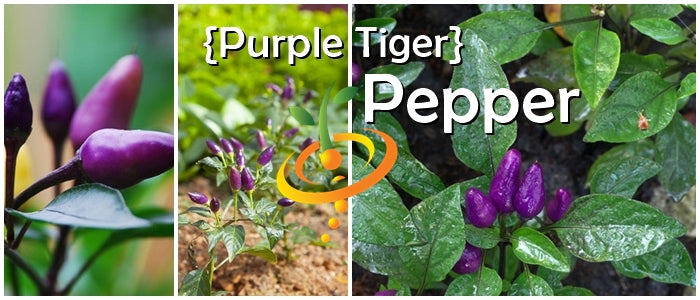
Exotic and rare, the Purple Tiger Pepper draws you to its lair with foliage in variegated colors of white, green, and purple. Slowly, slowly you’re mesmerized by the 1"-2" tapered fruit that starts off green, creeping to purple with a lighter, rosy striped pattern that ripens fully to red. And then it pounces with a low growl of heat, twice as hot a jalapeño. Stuff with cream cheese for some purple poppers, or pickle a peck of them to sprinkle on nachos.
Hunting for a heat that roars? Try the Chocolate Habanero Pepper.
- High yields
- Variegated foliage and fruit
- Harvest any color
- Good for containers
SEED PLANTING TIPS
- Botanical name: Capsicum annuum
- Pepper length: 1"-2"
- Scoville heat units (SHU): 5,000-9,000/medium
- Plant support: None
- Depth to plant seeds: 1/8" deep
- Spacing between plants: 12"-18" apart
- Spacing between rows: 18"-24" apart
- Days to germinate (sprout): 7-21 days
- Germination soil temps: 75F-85F
- Soil needs: 6.0-7.0 pH
- Sun needs: Full sun
- Frost hardy: No
- Planting season: Spring, summer
- # of plants per sq. ft.: Appx. 1 plant per sq. ft.
- Days to maturity: 90-100 days
Good companion plants: Basil, Carrot, Cucumber, Eggplant, Okra, Rosemary, Sage, Squash, Tomato
All Peppers ⟐ Hot Peppers 📚 Hot Peppers Grow Guide 
Cabbage - Danish Ballhead seeds
From $299 USDUnit price /UnavailableDescription

- The Danish Ballhead is an old-time favorite which grows well during the winter months
- Danish Ballhead produces sizable 7-10 inch heads weighing up to 5-6 pounds/each
- The interior flesh is light green, mild, and tender
- It is a very dependable general-purpose cabbage for kraut, slaw, and cooking
- Days to Maturity | 90 days
Additional DetailsDid you know? Cabbage is an excellent source of vitamin C! It also contains significant amounts of glutamine, an amino acid that has anti-inflammatory properties. Cabbage can also be included in dieting programs, as it is a low calorie food.
- The Danish Ballhead is an old-time favorite which grows well during the winter months
-
Lettuce - Blonde de Paris seeds
From $199 USDUnit price /UnavailableDescription

- Crisp & refreshing lettuce variety
- The leaves of this particular lettuce makes it idea for use in gourmet sandwiches, burgers and salads
-
Days to Maturity | 60 days
-
Lettuce Seeds | Lettuce can be grown practically anywhere. For leaf types seed should be sown thinly in rows 1 foot apart. For head, Bibb, and cos types, space rows 18 inches apart.
Click here for complete Lettuce grow guide
- Crisp & refreshing lettuce variety
-
From $099 USDUnit price /Unavailable
Description
Greek Basil is a small-leaf dwarf variety that grows into a tight dome, about 1’ tall and wide. A great one for containers, hanging baskets, and indoor gardens. The bright green, oval leaves and soft stems have hints of clove and anise, and keep their flavor when dried. Use this variety to flavor herb butters and vinaigrettes, and the edible flowers as a garnish or salad green.Harvest the leaves and stems from the top part of the plant, and pinch off edible flower buds as they appear, which prevents the leaves from turning bitter, and signals the plant to branch out and grow more leaves, making a bushier plant.
The more you harvest, the more it grows!
- Basil-clove-anise flavor
- Compact plant
- Good for indoor gardens
- Good for containers
- Tons of medicinal benefits!
As a medicinal herb, Basil has been used internally to treat anxiety, colds, colic, cough, depression, diarrhea, fever, flatulence, flu, indigestion, insomnia, intestinal parasites and worms, exhaustion, gastric pain, gonorrhea, lactation problems, migraine headache, nausea, stomach cramps, sore throat, and vomiting, and externally to treat acne, insect bites and stings, loss of smell, skin problems, snake bites.
⚠️ Do not use medicinally while pregnant.
⚠️ Medicinal properties are presented as information only, and are not a recommendation or prescription for use. Consult a medical professional before using any herb medicinally.
As a companion plant, it attracts hummingbirds, pollinators, and beneficial insects, and repels asparagus beetles, cabbage moths, cabbage white butterfly, cabbage worms, carrot rust fly, flies, maggots, mice, mosquitoes, spider mites, thrips, and tomato hornworms.
Shop all Basil Seeds Shop Good Companion Plants for Basil 📚 Grow Guide: Basil

See Basil Recipes & Growing Tips on our Pinterest Board
Shop all Basil Seeds Shop Good Companion Plants for Basil 📚 Grow Guide: Basil 
All-in-One Mosquito Repellent Garden Variety Pack
$3999 USDUnit price /UnavailableDescription
All-in-One Mosquito Repellent Garden Variety Pack includes an assortment of our 15 most popular varieties proven to fight-off mosquitoes.
Ordinary repellents and sprays are full of nasty chemicals that you probably don't want to put onto your family, and bug zappers are annoying. It also can be debated, how effective candles or incense really are.

Grow these plants in your garden to repel mosquitoes, naturally!Seeds are all individually packaged.

1. Basil, Italian Large leaf
- Appx. 120 seeds
-
The Italian Large Leaf Basil plant will produce medium to large leaves that can measure up to 4" long! It is an heirloom variety that is extremely fragrant. Grow basil in your backyard to control mosquitoes.

2. Basil, Lemon
- Appx. 120 seeds
-
Beautiful and flavorful small basil leaves. Leaves have a unique lemon scent. Very easy to grow. Basil emits its aroma without crushing the leaves. Grow basil in your backyard to control mosquitoes. Plant basil in pots so you can move them around easily. To keep the mosquitoes away from your body, rub a handful of crushed basil leaves on your skin.


3. Genovese Basil
- Appx. 120 seeds
-
Genovese Basil is a classic! It's prized for being sweet with undertones of a spicy flavor. You can't beat it's aroma. These plants grow anywhere from 18"-24" inches. Basil emits its aroma without crushing the leaves. Grow basil in your backyard to control mosquitoes. Plant basil in pots so you can move them around easily. To keep the mosquitoes away from your body, rub a handful of crushed basil leaves on your skin.

4. Catnip
- Appx. 240 seeds
-
Catnip is also a VERY effective mosquito repellent. According to ScienceDaily.com, nepetalactone, the essential oil in catnip that gives the plant its characteristic odor, is about ten times more effective at repelling mosquitoes than DEET — the compound used in most commercial insect repellents. Simply grow catnip near the backyard or patio of your house.

5. Lavender
- Appx. 50 seeds
-
Lavandula angustifolia, English Lavender, is one of the most beautiful seeds you can plant in your garden. The oils from lavender flowers are used to make medicines and many other household remedies. Lavender repels mosquitoes because mosquitoes dislike the scent of the lavender plant. The lavender plant is very easy to grow! To make a chemical-free mosquito solution, just mix lavender essential oil in water and apply directly on your skin. Plant lavender in pots around seating areas on your patio, backyard and garden to control mosquitoes.

6. Lemon Balm
- Appx. 80 seeds
-
The lemon balm plant produces beautiful lemon scented leaves. For an easy homemade repellent, crush lemon balm leaves and then rub them onto your skin. Keep the plants growing near doorways where the leaves will be readily available when you need them.

7. Lemon Grass
- Appx. 65 seeds.
Lemon Grass is a tropical plant that produces a thick grass that can even be used for flavoring many culinary dishes. It can also be used to make medicinal tea for the treatment of digestive issues and fever/flu-like symptoms. The long lemon grass leaves should be collected by snipping them off with scissors anywhere from mid summer on. Mosquitoes do not care for the fragrance of lemon grass. Grow these attractive "grasses" near walkways and near seating areas to deter them.

8. Herb Mix
- Appx. 120 seeds
-
Great multi-purpose variety to grow in your garden that grows well in containers. Basil emits its aroma without crushing the leaves. Grow basil in your backyard to control mosquitoes. Plant basil in pots so you can move them around easily. To keep the mosquitoes away from your body, rub a handful of crushed basil leaves on your skin.

9. Basil, Greek
- Appx. 120 seeds
-
Produces fragrant small green basil leaves with white flowers.
Excellent as a garnish or seasoning.
Greek basil is preferred by most culinary chefs. Can be grown indoors in containers.

10. Marigold, Sparky
- Appx. 120 seeds
-
Finely cut dark green leaves. Flat leaves. Use this parsley for garnishing, and culinary decoration. Tolerates heat better than most varieties.

11. Pennyroyal
- Appx. 100 seeds

12. Rosemary
- Appx. 20 seeds
-
Excellent flavor and extremely fragrant. Perfect to use fresh or dried. Can also be used to flavor many culinary varieties such as meats, soups, and sauces. And even used for treating headaches and known to improve circulation. Perfect for containers.

13. Sage
- Appx. 25 seeds
-
Burn a little sage over coals to repel mosquitoes! Works great.

14. Tansy
- Appx.100 seeds
-
Tansy (Tanacetum vulgare) is a perennial, herbaceous flowering plant of the aster family, native to temperate Europe and Asia. Tansy is a strong herb, beautiful & yet suitable for growing around doorways to act as an mosquito deterrent.

15. Wormwood
- Appx. 350 seeds
-
Wormwood can make a lovely, unique border and the strong odor does a good job of keeping mosquitoes at bay. Note: Do not rub on skin.
The threat of contracting a disease from a mosquito is very real. Not only are humans being infected with dangerous illnesses, so are animals including household pets. Over one million people are said to die each year from contracting diseases from mosquitoes. In the US, the most common disease is West Nile, but they also carry diseases like malaria, dengue fever, dog heartworm, chikungunya and the recent Zika Virus, which is responsible for outbreaks in tropical areas throughout the world and was found in 2015 for the first time in the Western Hemisphere. More can be learned about the Zika Virus, here.
Order your variety pack today and grow these plants in your garden to repel mosquitoes.- Appx. 120 seeds
-
Parsley - Rooted Hamburg seeds
From $299 USDUnit price /UnavailableDescription
-
A very old heirloom variety dating back to the 1600's
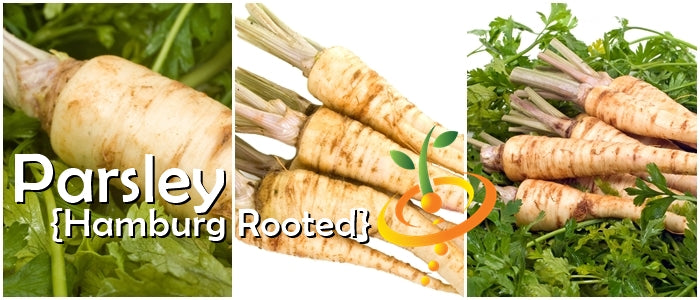
- Hamburg Rooted Parsley is used differently than other parsley plants. It's actually preferred by many European cooks and is typically the main ingredient for many stews
- Hamburg Rooted Parsley is a large edible root with smooth mild parsley flavor
- Very easy to grow
- In Europe root parsley is usually the first choice over parsnips
-
Day to Maturity | 85 days
-
A very old heirloom variety dating back to the 1600's
-
From $299 USDUnit price /Unavailable
Description

- Needs full sun to grow well
- It is drought tolerant and rarely, if ever needs to be watered
- Rue has a long history of use as a domestic remedy, being especially valued for its strengthening action on the eyes
- The plant contains flavonoids that reduce capillary fragility, which might explain the plants reputation as an eye strengthener.
- Days to Maturity | 75 days
**Warning** Although rue is safe when used correctly, it is considered a toxic herb that can cause side effects such as severe rashes, mood swings, sensitivity to light, stomach pains, dizziness, liver and kidney damage, sleep disorders & muscle spasms.
Follow SeedsNow.com's board Rue on Pinterest. 
Cucumber - Armenian, White (Metki Serpent Melon) seeds
From $299 USDUnit price /UnavailableDescription
- These Armenian cucumber seeds will produce delicious white cucumbers as long as 30"!
- Bitter-free with excellent flavor
-
Excellent slicer and ideal for salads and many culinary dishes
- Easy to grow
-
Days to Maturity | 65 days
-
Cucumber Seeds | Grow cucumbers where a long, warm growing season, minimum 65 days, can be assured. Plant seeds where there is ample space and vines can sprawl, the simplest way is to plant cucumbers in hills.
Click here for complete Cucumber grow guide
- These Armenian cucumber seeds will produce delicious white cucumbers as long as 30"!
-
All-in-One Medicinal Herb Garden Seed Bank
$9999 USDUnit price /UnavailableDescription
Start a Medicinal Herb Garden
Grow natural medicinal remediesThe Herbal Medicine Seed Bank, a one-of-a-kind package designed to get you started growing herbs to cure illnesses the natural way. Can something be said for a sustainable lifestyle that involves curing with nature’s remedies? According to many doctors and scientists, the healing properties of herbs often surpass the performance of chemically produced drugs.The Herbal Medicine Seed Bank makes a great addition to your food storage/survival-prep. It is designed to give you everything you need to start living off the land and growing your own herbal remedies. Use the seeds this year or store them for an emergency.
⚠️ Always seek advice from a professional before growing and/or consuming seeds and/or plants for medicinal purposes.
What's included:- 20 seed varieties
-
25 EXPANDING SEED STARTING SOIL PODS
- Seeds are individually packaged and labeled in resealable bags and then secured in a Mylar bag, which provides two layers of protection from moisture and light.
1. Anise
- Seed Count | Appx. 350 seeds
- Days to Maturity | 70 days
- Medicinal Properties | Digestive-aid, anti-flatulence agent, fights coughs and colds. Anise has a long history of medicinal use. It is still used all over the world as a digestive-aid and anti-flatulence agent. Anise has also been used for centuries relieve coughs and colds. In fact, scientists have even proven that the essential oils in the Anise seeds DO have expectorant properties. Anise can be used as a tea or syrup to aid in the relief from cough and congestion. Try a simple tea made from crushed seeds after a large meal - you will be surprised at how effective it can be.
2. Basil, Herb Mix
- Seed Count | Appx. 1,000 seeds
- Days to Maturity | 75 days
- Medicinal Properties | Basil has been used for thousands of years as a culinary and medicinal herb. It acts principally on the digestive and nervous systems, easing flatulence, stomach cramps, colic and indigestion. Basil also contains large amounts of (E)-beta-caryophyllene (BCP), which may have a use in treating inflammatory bowel diseases and arthritis.
3. Borage
- Seed Count | Appx. 300 seeds
- Days to Maturity | 80 days
- Medicinal Properties | Borage is a fairly common domestic herbal remedy that has been used since ancient times. It has a particularly good reputation for its beneficial affect on the mind, being used to dispel melancholy and induce euphoria. It is a soothing saline, diuretic herb that soothes damaged or irritated tissues. The leaves, and to a lesser extent the flowers, are demulcent, diaphoretic, depurative, mildly diuretic, emollient, expectorant, febrifuge, lenitive and mildly.
4. Mugwort
- Seed Count | Appx. 500 seeds
- Days to Maturity | 85 days
- Medicinal Properties | 85 days.
Artemisia vulgaris. Perennial. Plant produces beautiful fragrant leaves. Used to make tea to treat menstrual and menopausal problem. Stimulates and improves memory. Easy to grow.
5. Saponaria AKA Soapwort
- Seed Count | Appx. 175 seeds
-
Medicinal Properties | As a medicinal plant, Soapwort has been used internally to treat bronchitis, colds, cough, diarrhea, kidney stones, and respiratory problems, and externally to treat acne, boils, burns, eczema, inflammation, itchy skin, muscle pain, poison ivy, psoriasis, rash, and wounds.
6. Chamomile, German
- Seed Count | Appx. 1,700 seeds
- Days to Maturity | 90 days
- Medicinal Properties | Chamomile is sometimes known as "the plant doctor", because it is thought to help the growth and health of many other plants, especially ones that produce essential oils. It is thought to increase production of those oils, making certain herbs, like mints (spearmint, sage, oregano) and basil stronger in scent and flavour. These plants are best known for their ability to be made into a tea which is commonly used to help with sleep and is often served with either honey or lemon.
7. Chervil
- Seed Count | Appx. 450 seeds
- Days to Maturity | 90 days
- Medicinal Properties | Chervil has various traditional uses. Pregnant women were bathed in an infusion of it; a lotion of it was used as a skin cleanser; and it was used medicinally as a blood purifier. It was also claimed to be useful as a digestive aid, for lowering high blood pressure, and, infused with vinegar, for curing hiccups.
8. Coriander (Cilantro)
- Seed Count | Appx. 490 seeds
- Days to Maturity | 120 days
- Medicinal Properties | Coriander contains antioxidants. It has also been used as a folk medicine for the relief of anxiety and insomnia. Coriander has also been documented as a traditional treatment for diabetes.
9. Dill, Boquet
- Seed Count | Appx. 450 seeds
- Days to Maturity | 70 days
- Medicinal Properties | Dill has a very long history of herbal use going back more than 2,000 years. The seeds are a common and very effective household remedy for a wide range of digestive problems. An infusion is especially efficacious in treating gripe in babies and flatulence in young children. The seed is aromatic, carminative, mildly diuretic, galactogogue, stimulant and stomachic. It is also used in the form of an extracted essential oil. Used either in an infusion, or by eating the seed whole, the essential oil in the seed relieves intestinal spasms and griping, helping to settle colic. Chewing the seed improves bad breath. Dill is also a useful addition to cough, cold and flu remedies, it can be used with antispasmodics such as Viburnum opulus to relieve period pains. Dill will also help to increase the flow of milk in nursing mothers and will then be taken by the baby in the milk to help prevent colic
10. Fennel
- Seed Count | Appx. 1,000 seeds
- Days to Maturity | 85 days
- Medicinal Properties | Fennel has a long history of herbal use and is a commonly used household remedy, being useful in the treatment of a variety of complaints, especially those of the digestive system. The seeds, leaves and roots can be used, but the seeds are most active medicinally and are the part normally used. An essential oil is often extracted from the fully ripened and dried seed for medicinal use, though it should not be given to pregnant women. An infusion is used in the treatment of indigestion, abdominal distension, stomach pains etc. It helps in the treatment of kidney stones and, when combined with a urinary disinfectant like Arctostaphylos uva-ursi, makes an effective treatment for cystitis.
11. Lavender
- Seed Count | Appx. 300 seeds
- Days to Maturity | 85 days
- Medicinal Properties | Lavandula angustifolia. English Lavender is one of the most beautiful seeds you can plant in your garden. Lavender is an herb. The flower and the oil of lavender are used to make medicine. Lavender is used for restlessness, insomnia, nervousness, and depression. It is also used for a variety of digestive complaints, loss of appetite, vomiting, nausea, intestinal gas, and upset stomach. Some people use lavender for painful conditions including migraine headaches, toothaches, sprains, nerve pain, sores, and joint pain. It is also used for acne and cancer, and to promote menstruation. Lavender is applied to the skin for hair loss, and pain, and to repel mosquitoes and other insects. Some people add lavender to bathwater to treat circulation disorders and improve mental well being. By inhalation, lavender is used as aromatherapy for insomnia, pain, and agitation related to dementia. In foods and beverages, lavender is used as a flavor component.
12. Lemon, Mint
- Seed Count | Appx. 230 seeds
- Days to Maturity | 90 days
- Medicinal Properties | Annual plant that is covered with beautiful pinkish purple colored flowers. Lemon scented leaves that can be used as a replacement for lemon in any dish or tea. Plant grows to about 18" tall. These flowers are also great at attracting bees and hummingbirds - perfect for pollinating the other plants in your garden! In skin care, Lemon Mint leaves can be rubbed directly on the skin to fight off mosquitoes. The dried leaves can also be infused in oil made into lotions for soothing the skin.
13. Oregano - Italian
- Seed Count | Appx. 1,000 seeds
- Days to Maturity | 90 days
- Medicinal Properties | Hardy 2 ½ inch plant with pungent, oval leaves and purplish pink flowers. Use fresh or dried in sauces and soups.
Hippocrates used oregano as an antiseptic, as well as a cure for stomach and respiratory ailments. It is still used today in Greece as a palliative for sore throat. Oregano is also high in antioxidant activity, due to a high content of phenolic acids and flavonoids.
14. Parsley - Flat Leaf
- Seed Count | Appx. 550 seeds
- Days to Maturity | 75 days
- Medicinal Properties | Parsley is a commonly grown culinary and medicinal herb that is often used as a domestic medicine. The fresh leaves are highly nutritious and can be considered a natural vitamin and mineral supplement in their own right. The plants prime use is as a diuretic where it is effective in ridding the body of stones and in treating jaundice, dropsy, cystitis etc. It is also a good detoxifier, helping the body to get rid of toxins via the urine and therefore helping in the treatment of a wide range of diseases such as rheumatism.
15. Pepper, Cayenne
- Seed Count | Appx. 145 seeds
- Days to Maturity | 70 days
- Medicinal Properties | Cayenne pepper is known to help with high blood pressure. It is also known to clean the arteries and helps get rid of the bad LDL cholesterol and triglycerides. Cayenne is also extremely useful in alleviating allergies, muscle cramp, improving digestion, gives more pep and energy, and helps wound healing with minimal scar tissue.
16. Black Root (Scorzonera) - Appx. 500 seeds
17. Summer Savory
- Seed Count | Appx. 1,000 seeds
- Days to Maturity | 85 days
- Medicinal Properties | The Summer Savory plant grows tasty peppery flavored leaves. This is the herb to use if you want to flavor beans, cabbage, peas, and any other dishes. Widely used as a medicinal herb for curing sore throats. Use the leaves to make some tea and you'll be feeling great!
18. Thyme
- Seed Count | Appx. 1,000 seeds
- Days to Maturity | 85 days
- Medicinal Properties | Before the advent of modern antibiotics, Thyme was used to medicate bandages. It has also been shown to be effective against the fungus that commonly infects toenails. It can also be found as the active ingredient in all-natural, alcohol-free hand sanitizers.
19. Wormwood
- Seed Count | Appx. 1,700 seeds
- Days to Maturity | 65 days
- Medicinal Properties | Wormwood is a very bitter plant with a long history of use as a medicinal herb. It is valued especially for its tonic effect on the liver, gallbladder and digestive system, and for its vermicidal activity. It is an extremely useful medicine for those with weak and under-active digestion. Wormwood increases stomach acid and bile production, improving digestion and the absorption of nutrients. It also eases wind and bloating and, if taken regularly, helps the body return to full vitality after a prolonged illness. Use with caution, the plant should be taken internally in small doses for short-term treatment only, preferably under the supervision of a qualified practitioner. It should not be used by children or pregnant women
20. Yarrow
- Seed Count | Appx. 730 seeds
- Days to Maturity | 95 days
- Medicinal Properties | Yarrow has a high reputation and is widely employed in herbal medicine, administered both internally and externally. It is used in the treatment of a very wide range of disorders but is particularly valuable for treating wounds, stopping the flow of blood, treating colds, fevers, kidney diseases, and menstrual pain.
What is a Seed Bank?The answer is simple: a seed bank is your very own supply of open-pollinated, non-hybridized, NON-GMO seeds to be kept on hand in the case of an emergency or the unavailability of seeds.
There are many reasons to invest in a seed bank. Whether the market has changed or famine and war have changed the way we get access to seeds, these banks represent a secure way to begin planting quality foods.
All our seeds offer you the chance to replant the seeds after a successful harvest, making your investment in food one of the best values you will find. All of our seeds will produce organic produce when properly cared for.
While we remain optimistic about the future, we feel it is best to control your own food supply and live a healthier lifestyle with the best non-hybrid, non GMO seeds available today!
-
From $299 USDUnit price /Unavailable
Description
- Cal Sweet is one of the sweetest tasting and most popular watermelon varieties available
- A commercial grower favorite - sells well at farmers markets
- Dark green stripes on the exterior with bright red flesh
- Grows to appx. 35 lbs
- Perfect-sized watermelon for any-sized backyard
-
Days to Maturity | 90 days
-
Watermelons are heat-loving plants that need lots of sun. They grow on a long vine, so make sure to give them plenty of space to roam around.
Follow SeedsNow.com's board Watermelon on Pinterest. - Cal Sweet is one of the sweetest tasting and most popular watermelon varieties available
-
Pepper (Hot) - Hungarian Hot Wax 🔥 seeds
From $299 USDUnit price /UnavailableDescription

Zippy and snappy, the Hungarian Hot Wax Pepper offers a little sweet and a little heat, producing loads of peppers earlier than other varieties. Long 6" tapered fruit ripens from green to creamy yellow, which is when it’s just getting zippy. If you leave it be, it will keep going to orange and then red, increasing the heat with each color change. Thin-skinned, meaty, and crunchy. Try pickling in apple cider vinegar, frying up with onions to top an omelet, or stuffing with prosciutto and provolone.- Very high yields
- Meaty and crunchy
- Early producer
- Good for a short growing season
SEED PLANTING TIPS
- Botanical name: Capsicum annuum
- Pepper length: 4"-6"
- Scoville heat units (SHU): 2,000-10,000/mild to medium
- Plant support: Tomato cage or stake
- Depth to plant seeds: .25" deep
- Spacing between plants: 18"-24" apart
- Spacing between rows: 24"-36" apart
- Days to germinate (sprout): 7-21 days
- Germination soil temps: 75F-85F
- Soil needs: 6.0-7.0 pH
- Sun needs: Full sun
- Frost hardy: No
- Planting season: Spring, summer
- # of plants per sq. ft.: Appx. 1 plant per sq. ft.
- Days to maturity: 65-75 days
Good companion plants: Basil, Carrot, Cucumber, Eggplant, Okra, Rosemary, Sage, Squash, Tomato
All Peppers ⟐ Hot Peppers 📚 Hot Peppers Grow Guide -
Corn Salad (Mache - Lamb's Lettuce) - French seeds
From $299 USDUnit price /UnavailableDescription
- Valerianella locusta (aka Corn Salad) is a small annual plant that is eaten as a leaf vegetable. It has a characteristic nutty flavor, dark green color, and soft texture, and is popularly served as salad greens. //Wikipedia
- Corn Salad has a delicate flavor, similar to a butterhead lettuce. It is quite hardy and requires very little care while remaining practically free of pests & disease. Corn salad is also known for growing vigorously in almost any soil!
- We think Corn Salad tastes best right out of the garden with a light drizzle of olive oil and a squeeze of fresh lemon. Once you try this cold-hardy green, you'll be sure to make it a staple in your fall/winter gardens every year.
-
Day to Maturity | only 40 days
-
From $299 USDUnit price /Unavailable
Description

Caraway is an ancient aromatic herb, famous for being the spice in rye bread and German sauerkraut. A biennial in the carrot family that grows 1'-3' tall, with feathery foliage and tiny white flowers. The seeds, which have an earthy-citrusy-peppery flavor, are the most used, but the flowers, leaves, stems, and root (which looks like a small parsnip, and can be used like any other root vegetable) are also edible. While you’re waiting for the flowers, seeds, and roots to develop in the second year, spend the first year using the leaves, which have a parsley-dill flavor, in salads, soups, and sautés.
- Parsley-dill flavor
- All parts are edible
- Culinary and medicinal uses
- Good for containers
As a companion plant, it attracts pollinators and beneficial insects, and repels aphids, cabbage moths, cabbage white butterfly, cabbage worms, carrot root fly, and caterpillars.As a medicinal herb, Caraway has been used internally to treat asthma, bad breath, bloating, colds, colic, cough, flatulence, heartburn, indigestion, insomnia, lack of appetite, nausea, sore throat, and stomach cramps, and externally to treat arthritis, bruises, burns, skin irritation, toothache, and wounds.
⚠️ Medicinal properties are presented as information only, and are not a recommendation or prescription for use. Consult a medical professional before using any herb medicinally.
SEED PLANTING TIPS
- Botanical name: Carum carvi
- Life cycle: Herbaceous biennial
- Hardiness zones: 4-9
- Planting season: Spring, fall
- Days to maturity: 70 days-2 years; can begin harvesting when 6" tall
- Depth to plant seeds: 1/4" deep
- Days to germinate (sprout): 7-14 days
- Germination soil temps: 65F-75F
- Spacing between plants: 8"-12" apart
- Spacing between rows: 18"-24" apart
- # of plants per sq. ft.: Appx. 2 plants per sq. ft.
- Soil types: Sandy, loamy, chalky, poor, rich, moist, well-drained
- Soil pH: 6.0-7.5
- Sun needs: Full sun, part shade
- Water needs: Average
- Cold stratify: No
- Frost tolerant: Yes
- Heat tolerant: No
- Drought tolerant: Yes
- Deer resistant: Yes
- Culinary use: Yes
- Medicinal use: Yes
Good Companion Plants: Bean, Beet, Blueberry, Broccoli, Brussels Sprouts, Cabbage, Carrot, Cauliflower, Chard, Collards, Fava Bean, Kale, Mustard, Onion, Pea, Radish, Soybean, Strawberry, Tomato


What is Caraway?Caraway is a biennial. This means it takes two years for the plant to mature, produce seeds, then die. During the winter you may not see any evidence of the plant even though the roots are preparing for spring. So mark your spot carefully so you don’t accidentally dig them up in the spring.
An interesting legend that goes along with Caraway is that it had the power to prevent the theft of objects that had seeds nearby and it also kept lovers from losing interest in one another. Still, some believe Caraway has beneficial healing powers and you can use the oil, fruit and seeds as medicine.

Health Benefits of CarawayWomen can use Caraway oil to relieve menstral cramps. Feeling bloated or have a bit of indigestion? Chewing on a few Caraway seeds can help relieve your symptoms!

Ways to Consume CarawayIf you want to consume the leaves, pick them when they are young and tender. The roots are also edible when the plant is young. Use Caraway seeds in baked goods, such as breads, and buns. Add them to vegetable and fruit dishes, especially curries. Use leaves and seeds alike to make hot and cold teas.
Caraway seeds have a sharp, pungent, slightly licorice taste that’s is delicious with green beans, potatoes, cabbage, onions, brussels sprouts, tomatoes, and apples. Try mixing it with cucumber and sour cream. It’s delicious with sausage and beef.

See Caraway Recipes & Growing Tips on our Pinterest Board
-
Pepper (Hot) - Jalapeño, Yellow (Caloro) 🔥 seeds
From $299 USDUnit price /UnavailableDescription
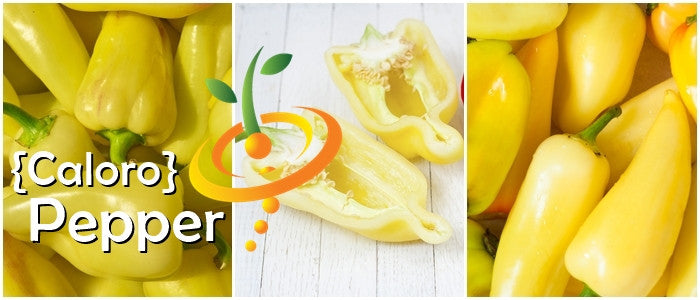
The Caloro Pepper is a gilded name for the Yellow Jalapeño Pepper. If you grow these, it will help to have two things: lots of friends and lots of bags, because you are going to have lots of these hot peppers to share. This prolific plant produces 2"-3" tapered fruits continuously, all summer long, maturing from yellow to orange to red. Continuously. Yellow, orange, red. All summer long. Yellow, orange, red. Thick-skinned, sweet, and crunchy with a heat that’s milder than a Green Jalapeño, but still quite spicy. Yellow, orange, red. Continuously, all summer long.
Caloro Yellow Jalapeños deliver a distinctive twist on the classic hot pepper. These vibrant golden fruits mature to a sunny yellow hue, offering a milder heat profile than traditional red jalapeños while maintaining that signature jalapeño flavor. I
n the garden, Caloro plants are prolific producers, thriving in warm conditions with full sun and well-draining soil.
These versatile peppers excel fresh in salsas, pickled for extended storage, or roasted to enhance their subtle sweetness. A reliable choice for gardeners seeking consistent yields and unique color variation.
- Very high yields
- Ever-bearing
- Hot jalapeño flavor
- Harvest any color
SEED PLANTING TIPS
- Botanical name: Capsicum annuum
- Pepper length: 2"-3"
- Scoville heat units (SHU): 1,000-5,000/mild to medium
- Plant support: Tomato cage or stake
- Depth to plant seeds: .25" deep
- Spacing between plants: 18"-24" apart
- Spacing between rows: 24"-36" apart
- Days to germinate (sprout): 7-21 days
- Germination soil temps: 75F-85F
- Soil needs: 6.0-7.0 pH
- Sun needs: Full sun
- Frost hardy: No
- Planting season: Spring, summer
- # of plants per sq. ft.: Appx. 1 plant per sq. ft.
- Days to maturity: 75-85 days
Good companion plants: Basil, Carrot, Cucumber, Eggplant, Okra, Rosemary, Sage, Squash, Tomato
All Peppers ⟐ Hot Peppers 📚 Hot Peppers Grow Guide -
From $199 USDUnit price /Unavailable
Description

- Beautiful bright lime green lettuce leaves
- This is the green alternative to Lollo Rossa
- Compact and curly with amazing flavor
- Extremely popular amongst gourmet chefs and restaurants
- Easy to grow and does not require a lot of space
-
Days to Maturity | 50 days
-
Lettuce Seeds | Lettuce can be grown practically anywhere. For leaf types seed should be sown thinly in rows 1 foot apart. For head, Bibb, and cos types, space rows 18 inches apart.
Click here for complete Lettuce grow guide
- Beautiful bright lime green lettuce leaves
-
From $299 USDUnit price /Unavailable
Description

- A 1957 All-America Selections (AAS) Winner
- Plant produces good yields of flavorful curly dark green leaves
- Perfect for salads
- Stays in the ground 2 - 4 weeks longer than other mustard varieties
- Tolerates the cold extremely well
- Perfect for home gardens and market growers
- Easy to grow
-
Days to Maturity | 45 days
-
Mustard Seeds | When growing from seed, start them outdoors 3 weeks before the last frost. Plant seeds a 1/2" deep, and thin to 3 inches.
Click here for complete Mustard grow guide
Additional Details
Mustard greens are extremely high in Vitamin A, B, and C.
- A 1957 All-America Selections (AAS) Winner
-
Shungiku, Edible Chrysanthemum seeds
From $299 USDUnit price /UnavailableDescription
Shungiku is a versatile Asian green prized for its delicate, slightly peppery leaves and edible flowers. Also known as Garland Chrysanthemum or Chop Suey Greens, this cool-season crop thrives in winter and spring gardens, reaching maturity in 30–50 days. Harvest tender leaves fresh for salads, stir-fries, and Asian dishes. The flowers can be dried and brewed into a soothing herbal tea with stomach-calming properties, offering a natural alternative to chamomile. Easy to grow and highly productive, Shungiku brings authentic Asian flavor and dual-purpose harvests to any garden.
- Shungiku, Edible Chrysanthemum is a very versatile asian green.
- Known as Shungiku, Edible Chrysanthemum, Garland Chrysanthemum, Chop Suey Greens and many other names.
- This is a salad green that can be grown in winter and again in spring.
- The flowers of Shungiku can be dried and stored to be used for tea. Often considered a substitute for Chamomile - with its soothing and stomach quieting properties.
- Days to Maturity | 30 - 50 days
- Shungiku, Edible Chrysanthemum is a very versatile asian green.
-
Tomato - Marion (Indeterminate) seeds
From $299 USDUnit price /UnavailableDescription
The Marion Tomato is the perfect tomato for Southern gardens—tolerant of heat and humidity, resistant to cracking and disease, producing gobs of scarlet globes that ripen mid-season, and with just enough sweetness and acidity to know you’re eating the perfect tomato. A great-tasting and versatile fruit for sauce and paste or salt and pepper.
- Heat tolerant
- Early producer
- High yields
- Good for Southern gardens
SEED PLANTING TIPS
- Botanical name: Solanum lycopersicum
- Growth type: Indeterminate, trellis support, regular pruning
- Tomato size: Medium
- Depth to plant seeds: .25" deep
- Spacing between plants: 24" apart
- Spacing between rows: 36"-48" apart
- Days to germinate (sprout): 7-14 days
- Germination soil temps: 75F-95F
- Soil needs: 6.0-6.5 pH
- Sun needs: Full sun
- Frost hardy: No
- Planting season: Spring, summer
- # of plants per sq. ft.: Appx. 1 plant per 2 sq. ft.
- Days to maturity: 75-80 days
Click here to view our full Tomato grow guide
Good companion plants: Basil, Borage, Onion, Parsley, Pepper
-
From $299 USDUnit price /Unavailable
Description

- Copenhagen cabbages are a good early variety that produces uniform, globe-shaped 6" diameter heads that are firm and solid, weighing about 3 -4 lbs
- The plant is compact and short-stemmed
- Heads are a light green color
-
Days to Maturity | 65 days
-
Cabbage Seeds | Cabbage is an annual cool-season crop, hardy to frost and light freezes. Plant in rows 2 1/2 feet apart, with 12-16 inches between plants.
Click here for complete Cabbage grow guide
Did you know? Cabbage is an excellent source of vitamin C! It also contains significant amounts of glutamine, an amino acid that has anti-inflammatory properties. Cabbage can also be included in dieting programs, as it is a low calorie food.
- Copenhagen cabbages are a good early variety that produces uniform, globe-shaped 6" diameter heads that are firm and solid, weighing about 3 -4 lbs
-
From $299 USDUnit price /Unavailable
Description

-
Produces excellent yields of 18" long yellow melons.
- The orange flesh is extremely tender and juicy
- Has a banana flavor
-
Days to Maturity | 90 days
-
Melon Seeds | Because of the long growing season, start plants indoors 4 to 5 weeks before outdoor planting time. Direct sow 4-5 seeds in a hill and then thin to the appropriate spacing.
Click here for complete Melon grow guide
-
Produces excellent yields of 18" long yellow melons.
-
Cucumber - Cucamelon, West Indian Burr Gherkin seeds
From $299 USDUnit price /UnavailableDescription

-
Also known as: known as Cackrey, Maroon Cucumber, West Indian Gherkin, and West Indian Gourd.
- Incredibly small, cucumber-shaped fruits.
- The surface of these tiny fruits are covered with spine-like warts, while the flesh is pale green.
- Easy to grow for everyone, sells great at farmers markets!
- Can be cooked or eaten raw. The flavor is similar to that of other more traditional cucumbers.
-
Days to Maturity | 55 - 65 days
Click Here For Our Complete Cucumber Grow Guide
-
Also known as: known as Cackrey, Maroon Cucumber, West Indian Gherkin, and West Indian Gourd.
-
Pepper (Hot) - Tepin 🔥🔥🔥 seeds
$299 USDUnit price /UnavailableDescription

The Tepin Pepper is a tiny treat with a lot of heat. Compact, vigorous plants produce lots of juicy, pea-sized fruits that are hot enough to make a cookie crumble. This is a perennial bush in warmer locations, so if it survives the winter, it will grow back bigger and more productive. Use it to heat up anything from honey to menudo to ice cream.
- High yields
- Perennial
- Slow to germinate
- Good for containers
SEED PLANTING TIPS
- Botanical name: Capsicum annuum
- Pepper size: 1/4"-1/2"
- Scoville heat units (SHU): 50,000-100,000/hot
- Plant support: Tomato cage or stake
- Depth to plant seeds: .25" deep
- Spacing between plants: 24"-36" apart
- Spacing between rows: 36"-48" apart
- Days to germinate (sprout): 28-70 days
- Germination soil temps: 75F-85F
- Soil needs: 6.0-7.0 pH
- Sun needs: Full sun
- Frost hardy: Yes
- Planting season: Spring, summer
- # of plants per sq. ft.: Appx. 1 plant per 2 sq. ft.
- Days to maturity: 120-200 days
Good companion plants: Basil, Carrot, Cucumber, Eggplant, Okra, Rosemary, Sage, Squash, Tomato
- These Tepin pepper seeds will produces tons of of ¼" pea-sized hot peppers.
- Extremely hot. Handle with care
- They will turn from green -> to orange -> to red as they continue to mature
- Some claim this variety to be one of the Hottest Pepper in the World
- It can sometimes take the seeds about 4-10 weeks to germinate - so patience is a virtue with these babies but definitely worth it in the end
- Plant height is approximately 2' - 3'
- Highest germination rates occur during the warmer months - around at 80 F or higher
- Grows extremely well in small to medium sized containers
- If you like hot peppers then this variety is a definite must have
All Peppers ⟐ Hot Peppers 📚 Hot Peppers Grow Guide 
Bean, Runner/Pole - Prizewinner seeds
From $299 USDUnit price /UnavailableDescription

The Prizewinner Runner Pole Bean produces a blue-ribbon show of crimson blossoms that transform into succulent, flavorful foot-long pods with speckled purple-red beans inside. Pick young for snap beans and mature for shell beans, or give them more time on stage and use them dried. A prolific producer that will win first, second, and third prize in your garden.- Easy to grow
- High yields
- Long pods up to 12"
- Eat fresh, shelled, or dried
SEED PLANTING TIPS
- Botanical name: Phaseolus coccineus
- Depth to plant seeds: 1" deep
- Spacing between plants: 5" apart
- Spacing between rows: 18"-24" apart
- Days to germinate (sprout): 8-14 days
- Germination soil temps: 70F-85F
- Soil needs: 6.0-7.0 pH
- Sun needs: Full sun
- Frost hardy: No
- Planting season: Spring, summer
- # of plants per sq. ft.: Appx. 4 plants per sq. ft.
- Days to maturity: 80-115 days
Click here to view our full Bean grow guide.
Good companion plants: Cucumber, Pea, Rosemary, Thyme, Tomato
-
All-in-One Chicken Garden Variety Pack
$3999 USDUnit price /UnavailableDescription
100% Non-GMO, Pure Heirloom, Soy and Corn FREE Treats For Your Backyard Chickens That You Can Grow At Home
••●•• Heal your Chickens, Naturally ••●••
 Sariann I. wrote us and said:
"I've been growing & feeding fresh herbs/sprouts with seeds we've purchased from your company to our backyard chickens. They've never been so happy or healthy! All of our hens love receiving these fresh treats that we are able to grow in our vegetable garden and then share with them to enhance their health, deter pests, increase laying production & "spruce up" their coop and nesting boxes with an aromatic herb or two. Feeding our chickens these herbs has cut our feed costs by up to half! We never felt right about feeding our chickens soy or GMO corn feed. We love being able to provide our chickens with healthy & organic herbs that we've grown especially for them!"
Includes all of the following 15 varieties:

1. Alfalfa Sprouts (appx. 4,000 seeds)
- These greens are very good for your chickens can be part of a healthy diet. Don't forget that feeding your chickens will up their protein intake! Also, feeding them alfalfa is linked to increased pigmentation, which means layers will produce eggs with more deep orangey yolks.

2. Borage (appx. 65 seeds)
- The leaves may be harvested at anytime and can be used dried or fresh. The plant is best consumed fresh, right after harvest if you're looking for it's characteristic flavor, similar to that of a cucumber. Placing borage around your coop or hen house will deter pests. Very high in calcium, borage is like a powerhouse for supporting their cardiovascular system.
3. Basil Mix (appx. 120 seeds)
-
Antibacterial, mucus membrane health. Can be used to brew an "herbal tea" for new chicks for a healthy start. Is wonderful when dried and added to nesting boxes. When growing basil, as soon as you see flowers start to appear, make sure you pinch or snip them off. This will help the plant stay focused on producing leaves and will encourage the plant to "branch out" as well. Once your basil plant is about 6 inches tall, start pinching off the tops to encourage branching.

4. Cilantro (appx. 80 seeds)
-
If you want to support your chickens bones, feeding them cilantro is a wonderful and natural way to do that. High in vitamin K and A. Acts as a fungicide and contains many beneficial antioxidants. Harvest the cilantro leaves around the base of the plant. Just make sure the plant is fairly established before you start harvesting so it will be able to handle the stress and recover as it continues to grow. Once the flowers have gone to seed, start to re-sow more seeds. That way you won't run out and have a continual harvest of fresh cilantro on your hands. You can harvest the leaves or the entire plant at once.

5. Dill (appx. 100 seeds)
-
Very beneficial to your chickens respiratory health, fresh dill can be fed to your chickens. Try drying and then hanging it near or inside of the nest boxes. It aids in the laying process because it is a natural sedative. When you're ready to harvest, look for the dark green leaves, otherwise known as "dill weed". You can harvest the leaves at any time. The young leaves tend to have better flavor.

6. Fennel (appx. 100 seeds)
-
Recognized as a laying stimulant. Add some freshly cut fennel foliage to your nesting boxes or shaved Fennel bulb to your chickens feed to ensure fresh eggs, year round. Harvest the bulbs when they are approximately the same size as a tennis ball. Once the plant bolts, the flavor will be ruined so try to harvest it before them. Cut the bulb and stalks off right at the soil line.

7. Lemon Balm (appx. 80 seeds)
-
Ward off stress with this this antibacterial and aromatic herb. It makes for a wonderful rodent repellent. It calms their nerves, and smells wonderful in the coop. Hang this fresh herb to dry and then add to nesting boxes to sooth and relax your chickens. Harvest leaves from your lemon balm plant at any time. Dry indoors upside down, chop and store for later use.

8. Lemon Grass
-
Fly repellent. Similar to "citronella" in scent. The long, grassy leaves should be collected by snipping them off with scissors anywhere from mid summer on.
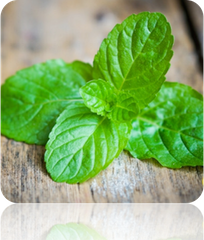
9. Mint, Spearmint (appx. 280 seeds)
-
Repel insects and rodents with this powerful, aromatic herb. It has been known to aid in regulating body temp., produce stronger egg shells, and helps with the chickens digestive system. Pick the leaves as you need them or harvest a large amount from each mint plant up to three times in one growing season. Cut the stems 1-2 inches from the ground. You can take cuttings from the plants you already have and root them in a little bit of water and then plant them indoors for fresh leaves throughout the winter. If you want to dry the leaves, it's best to harvest them before the plant goes to seed.
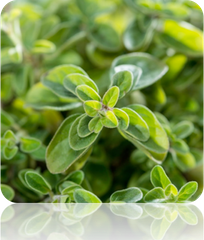
10. Oregano, Greek (appx. 200 seeds)
-
Combats many diseases like coccidia, salmonella, and e-coli. It can ward off the dreaded avian flue. Oregano naturally strengthens the immune system. Harvest oregano anytime after they have reached 4-6 inches tall. Harvest oregano leaves in the morning hours as soon as the dew has dried for best flavor. Once harvested, use fresh or store leaves whole, placed in freezer bags and frozen. They can also be dried in a dark, well-ventilated area and stored in airtight containers until ready to use.

11. Parsley, Dark Green Italian (appx. 60 seeds)
-
High in many necessary vitamins and minerals that are required for optimal chicken health. Helps blood vessel development and has been known to be a great stimulant for laying. Harvest your parsley once the leaves begin to curl. Pick the leaves earlier in the day when the oils are the strongest. You can store the sprigs of parsley in a jar with a little bit of water in the bottom, inside the refrigerator for later use.
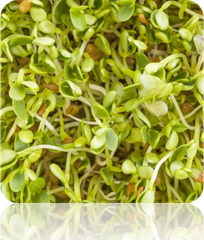
12. Broccoli Sprouts
-
These sprouts are actually larger and more flavorful than alfalfa sprouts and make a great addition to what you feed your chickens. Your chickens be so happy eating broccoli sprouts.
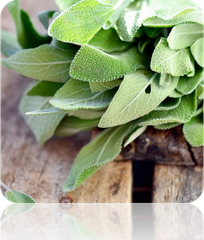
13. Sage (appx. 25 seeds)
-
Feed your chickens sage to increase overall health. This herb can also combat disease and is an anti-parasitic. Smells wonderful in the coop. Store in an airtight container, in a cool and dry place.

14. Lettuce - All Year (appx. 200 seeds)
-
As its name suggests, this is a lettuce that can be gown throughout the year, though it will require protection with a cloche or cold frame in the cooler months. The 'All Year Round' lettuce is a classic Butterhead lettuce, with medium sized loosely formed heads and soft, buttery-textured green leaves.

15. Lettuce - Romaine, Classic "Paris Island Cos"
-
Large, upright, full-bodied heads with dark-green, slightly savoyed leaves that are mild and sweet. Because of their higher chlorophyll content, romaine lettuces are among the most nutritious of all lettuces. Excellent performer in the inter-mountain region. Mosaic tolerant.
-
All-in-One Hot & Sweet Pepper Garden Variety Pack
$3999 USDUnit price /UnavailableDescription
All-in-One Hot & Sweet Pepper Variety Pack includes an assortment of our most popular varieties. Seeds are all individually packaged. Packaged with zip-lock bag system for long-term storage and maximum seed protection.Includes all of the following varieties:
1. Anaheim Chili
- Appx. 10 seeds
- The Anaheim Chili Pepper is really quite mild. About one kick up from a bell pepper. This California native is called Hatch when grown in New Mexico and Seco del Norte when dried. Loads of long 6"-10" tapered peppers ripen from grassy green to forest to smoky red. Thick-skinned and fleshy, tangy and sweet, tasty when fresh or cooked into meat. Try chiles rellenos or corn chowder, or make it Seco and grind into powder.
2. Ancho Grande
- Appx. 10 seeds
- The Ancho Grande Pepper is named for its size—ancho is wide, grande is big. That’s when it’s dark red. While it’s still dark green, it’s called Poblano, which is named for a town in Mexico. And when it matures fully to dark brown, the name is Mulato. Vigorous, leafy plants produce grande amounts of tapered heart-shaped 4"-8" fruit with a mellow, smoky flavor and a little bit of heat. This fleshy, thick-skinned pepper is traditionally used for chiles rellenos and mole sauce, but you can probably think of a few more uses while you’re studying for the quiz about its name.
3. Pretty Purpl5
- Appx. 10 seeds
- The Big Jim Pepper is the world’s largest pepper variety, with a fruit that can grow to 14" or longer. Typically in the 6"-10" range, these wide, tapered summer icicles grow on compact plants and ripen from lime green to smoky crimson. Sweet and flavorful with a pleasurable crackle of heat. When roasted or grilled, the thick skin slips off easily, leaving tender, juicy, meaty flesh. If you do grow a Jim that needs a tape measure, fill one full of ham and havarti or crab and cream cheese, and feed your entire family plus a neighbor kid.
4. California Wonder Bell Pepper
- Appx. 10 seeds
- The California Wonder Pepper is so easy-going, it doesn’t mind if you call it Cal Wonder. Sturdy plants produce lots of smooth, blocky 3"-4" fruits with mostly four lobes and thick skin that ripen from peace, man green ✌️ to groovy orange to right-on red. Juicy and crunchy with sweet, mild flavor, and no heat. Eat fresh or stuff with chicken and avocado for a wonderful easy lunch.
5. Cayenne Long Thin Red
- Appx. 10 seeds
- The Red Cayenne Pepper will put a hop, a skip, and a kick in your step. Slender, glossy 5"-6" fruits grow abundantly on strong plants, bounding through all the primary colors as it matures from green to yellow to orange to red. Primarily used as a dried spice, but can be used fresh to rev up a salsa or to make pickling brine howl.
6. Caloro, Yellow Jalapeno
- Appx. 10 seeds
- The Caloro Pepper is a gilded name for the Yellow Jalapeño Pepper. If you grow these, it will help to have two things: lots of friends and lots of bags, because you are going to have lots of these hot peppers to share. This prolific plant produces 2"-3" tapered fruits continuously, all summer long, maturing from yellow to orange to red. Continuously. Yellow, orange, red. All summer long. Yellow, orange, red. Thick-skinned, sweet, and crunchy with a heat that’s milder than a Green Jalapeño, but still quite spicy. Yellow, orange, red. Continuously, all summer long.
7. Classic Green Jalapeno
- Appx. 10 seeds
- We’re not sure if the Jalapeño Pepper knows it, but this stocky little spark plug is one of the most famous and popular hot peppers in the world. At 7,500 SHUs, it sits at the lower end of the Scoville heat scale, which is hot enough to ignite your tongue, but not so hot you won’t take another bite. Prolific yields ensure a steady harvest of 3" glossy fruits that ripen from dark green to fiery red. In some countries, if it’s not illegal to make salsa with any other pepper, it’s at least frowned upon. Best not chance it.
8. Habenero - Red Caribbean
- The sweet, citrusy flavor, tropical fragrance, and lush green foliage of the Red Caribbean Habanero will remind you of a beach vacation. And so will the searing heat! Produces loads of small 1"-2" wrinkled fruits that twinkle in colors ranging from key lime green to sunrise yellow to sunset orange to sunburn red. Use it to make some haba-haba salsa, broiled halibut with charred pepper cream sauce, or spicy pineapple ice cream.
9. Banana
- Appx. 10 seeds
- Yellow, yellow, bo bellow, banana fana fo fellow…. The Yellow Banana Pepper is one of the mildest and most popular sweet peppers in America. When young, it is pale yellow, crunchy, sweet, and me my mo mellow enough for a youngster to eat. As it ripens from orange to red, it becomes softer and sweeter. Flavorful at any stage of growth, so pick one when you want one. Especially good pickled, but save a few to stuff or stir fry. Yell-ow!
10. Red Hot Cherry
- Appx. 15 seeds
- A Red Cherry type variety that grows into a bushy plant up to 3 feet tall. Higher heat levels than other Hot Cherry peppers. Has a nice robust flavor. Very easy to grow. Pods ripen to a Cherry Red color and get up to over 1 inch in diameter.
11. Santa Fe Grande
- Appx. 10 seeds
- The Santa Fe Grande Pepper is heat-tolerant, prolific, and cheerful. Produces a fiesta of 2"-4" waxy, tapered peppers that ripen through the rich, vibrant colors of the Southwest, from pale green to yellow to orange to red, with sweet, mild flavor and mild heat. So mild, it’s also called Chile Guero, which translates to “blonde chili,” but you might bite into a spicier one here and there. Grill them with onions for a festive topping for chicken or beef, or use as the colorful main ingredient in salsa or a pickle jar.
12. Serrano Tampiqueno
- Appx. 35 seeds
- The Serrano Tampiqueño Pepper “from the mountains” of Mexico opens up new vistas of heat and flavor. The prolific plant tolerates heat and drought, pushing out loads of 2"-3" cylindrical fruits with colors that range from from grassy green to fizzy orange to berry red, and are spicy at every mesa. Use to add flavor, heat, and syllables to pizza tampiqueño, salsa tampiqueño, steak tampiqueño, or pickles tampiqueño, or dry them and tampi into a queño.
13. Hungarian Wax
- Appx. 10 seeds
- Zippy and snappy, the Hungarian Hot Wax Pepper offers a little sweet and a little heat, producing loads of peppers earlier than other varieties. Long 6" tapered fruit ripens from green to creamy yellow, which is when it’s just getting zippy. If you leave it be, it will keep going to orange and then red, increasing the heat with each color change. Thin-skinned, meaty, and crunchy. Try pickling in apple cider vinegar, frying up with onions to top an omelet, or stuffing with prosciutto and provolone.
14. Chocolate Bell Pepper
- Appx. 10 seeds
- The Chocolate Bell Pepper is a fun one to grow. While the skin is maturing from green to brown, the inside is ripening from green to red, so you’re in for a surprise color combo with each one you snip off the vine. Crunchy and sweet with no heat. Ripens early, too.
-
Sprouts/Microgreens - Bean, Mung seeds
From $499 USDUnit price /UnavailableDescription
These delicious sprouts are popular and common as an integral part of Asian cuisine. Mung bean sprouts are quite thick and are crunchy with a nutty taste – mild and fresh. These can be served with salads, sprinkled as crunchy toppings, used in stir-fry, or simply enjoyed by themselves.
-
All-in-One Culinary Herb Garden Variety Pack
$3999 USDUnit price /UnavailableDescription
Grow an indoor or outdoor culinary herb garden with your favorite herbs. Herbs will do well in a variety of locations, especially in containers. This variety pack is perfect for those who want to grow fresh herbs throughout the cooler months on their covered decks, patios and even indoor windowsills. This All-in-One Herb Variety Pack includes an assortment of our 15 most popular varieties. Seeds are all individually packaged.
Includes all of the following seed varieties:
1. Basil - HERB MIX (appx. 120 seeds)
Enjoy some of our most popular varieties of Basil Herbs. This is a special blend of basil varieties we carry, sure to be a show stopper! You'll enjoy a wide variety of Basil plants with great flavors! Very easy to grow and extremely popular for those that can't decide on which variety to try in their own garden! Learn more
2. Basil - Leaf Lettuce (appx. 120 seeds)
Annual plant. Produces very flavorful and tender basil leaves. Used in many different types of dishes. Leaves can be used dried, fresh, or frozen. 85 days to mature. Can be grown indoors in containers. Very easy to grow! Learn more3. Borage (appx. 65 seeds)
Borage is a fairly common herbal remedy that has been used since ancient times. It's best when grown in containers because it is extremely invasive. The flavor of these flowers is crisp and refreshing. Learn more4. Chives (appx. 115 seeds)
Also known as Garlic Chives. A perennial plant that grows narrow, grass-like leaves that have a mild onion-like flavor. Chives are rich in vitamins A and C, contain trace amounts of sulfur, and are rich in calcium and iron. Learn more
5. Cilantro (appx. 80 seeds)
This slow-bolting strain is grown primarily for its broad, deep green, celery-like, pungent foliage. Used in Oriental and Mexican cuisine. Use seed to flavor meats, pickles and baked goods. Learn more
6. Chervil - French Parsley (appx. 100 seeds)
Chervil, aka French Parsley, has many various traditional uses. Chervil is "a delicate annual herb related to parsley. It is commonly used to season flavored dishes." Learn more7. Fennel (appx. 100 seeds)
Produces very flavorful large bulbs and edible flower buds. Excellent for seasonings and for cooking as a vegetable. Plant Height: 30" tall. Fennel is a very aromatic plant with a sweet licorice flavor, similar to an anise seed. It has many medicinal uses and herbalists have been using it for centuries to relieve problems with the respiratory system, stomach muscles and intestines. Nursing mothers can expect increased milk production and fennel also has been used to soothe colicky infants. Learn more8. Lavender (appx. 50 seeds)
English Lavender is one of the most beautiful seeds you can plant in your garden.- Lavender is an herb. The flower and the oil of lavender are used to make medicine.- Lavender is used for restlessness, insomnia, nervousness, and depression. It is also used for a variety of digestive complaints, loss of appetite, vomiting, nausea, intestinal gas, and upset stomach.- Some people use lavender for painful conditions including migraine headaches, toothaches, sprains, nerve pain, sores, and joint pain. It is also used for acne and cancer, and to promote menstruation. Learn more9. Mint, Lemon (appx. 100 seeds)
Annual plant that is covered with beautiful pinkish purple colored flowers. - Lemon scented leaves that can be used as a replacement for lemon in any dish! Learn more10. Oregano, Greek (appx. 200 seeds)
Hippocrates used oregano as an antiseptic, as well as a cure for stomach and respiratory ailments. It is still used today in Greece as a palliative for sore throat. Oregano is also high in antioxidant activity, due to a high content of phenolic acids and flavonoids. Learn more11. Parsley, Dark Green Italian (appx. 60 seeds)
Finely cut dark green leaves. Flat leaves. Use this parsley for garnishing, and culinary decoration. Tolerates heat better than most varieties. Learn more12. Rosemary (appx. 20 seeds)
Excellent flavor and extremely fragrant. Perfect to use fresh or dried. Can be used to flavor many culinary varieties such as meats, soups, and sauces. Can be used for treating headaches and known to improve circulation. Perfect for containers. Learn more13. Lemon Balm (appx. 80 seeds)
The lemon balm plant produces beautiful lemon scented leaves. The leaves are typically used in teas, sauces, salads, soups, stews, and drinks. Lemon Balm tea is said to stimulate the heart and calms the nerves. A variety native of Europe. Perennial.Learn more
14. Summer Savory (appx. 220 seeds)
The Summer Savory plant grows tasty peppery flavored leaves. This is the herb to use if you want to flavor beans, cabbage, peas, and any other dishes. Widely used as a medicinal herb for curing sore throats. Use the leaves to make some tea and you'll be feeling great! Learn more
15. Thyme (appx. 350 seeds)
Plant spreads to form attractive 8 to 12 inch high mounds. Aromatic and flavorful leaves- Used to flavor meats, dressings, soups, and stews. Learn more 
Gourd - Large Bottle "Birdhouse" seeds
From $299 USDUnit price /UnavailableDescription

- Just as the name suggests, this style of gourd will produce something that looks like a large bottle
- Colors will vary
- Many people use this variety to make birdhouses
- Grows as a vine
- Just as the name suggests, this style of gourd will produce something that looks like a large bottle
-
Tomato - Calypso (Indeterminate) seeds
From $299 USDUnit price /UnavailableDescription
The Calypso Tomato is often referred to as a “common salad tomato". Calypso is tolerant of heat and humidity, and great for Southern gardens.
- Common tomato flavor
- Common tomato color
- Heat tolerant
- Great for Southern gardens
SEED PLANTING TIPS
- Botanical name: Solanum lycopersicum
- Growth type: Indeterminate, trellis support, regular pruning
- Tomato size: Medium
- Depth to plant seeds: .25" deep
- Spacing between plants: 24" apart
- Spacing between rows: 36"-48" apart
- Days to germinate (sprout): 7-14 days
- Germination soil temps: 75F-95F
- Soil needs: 6.0-6.5 pH
- Sun needs: Full sun
- Frost hardy: No
- Planting season: Spring, summer
- # of plants per sq. ft.: Appx. 1 plant per 2 sq. ft.
- Days to maturity: 75-80 days
Good companion plants: Basil, Borage, Onion, Parsley, Pepper
-
From $299 USDUnit price /Unavailable
Description

-
The Amarillo Oro plant produces good yields of large 15 lb. golden yellow oblong melons. A pre-1870 heirloom variety from Europe
- White flesh with sweet flavor
- Grows well in the winter
- Suitable for home gardens and market growers
-
Days to Maturity | 90 days
-
Melon Seeds | Because of the long growing season, start plants indoors 4 to 5 weeks before outdoor planting time. Direct sow 4-5 seeds in a hill and then thin to the appropriate spacing.
Click here for complete Melon grow guide
-
The Amarillo Oro plant produces good yields of large 15 lb. golden yellow oblong melons. A pre-1870 heirloom variety from Europe
-
Squash (Winter) - Burgess Buttercup seeds
From $299 USDUnit price /UnavailableDescription
Squash (Winter), Burgess Buttercup
- Cucurbita maxima.
- Plant produces heavy yields of 8" long turban shaped green squash with silvery white stripes.
- The yellow orange flesh is very sweet and grows 3 to 5 lbs.
- The Burgess strain stores well.
-
A winter squash variety.
-
Day to Maturity | 90 days
- Cucurbita maxima.
-
From $299 USDUnit price /Unavailable
Description
The Pumpkin Wee Bee Little variety is a compact and productive cultivar that has gained popularity among gardeners for its unique characteristics and suitability for small spaces. This variety is particularly well-suited for urban gardening, container gardening, and small garden plots, making it an excellent choice for both novice and experienced gardeners.
One of the most notable features of the Pumpkin Wee Bee Little is its size. Typically, the fruits reach a diameter of about 3 to 4 inches, making them ideal for decorative purposes, culinary use, or as part of a harvest display. The plants themselves are bushy and compact, usually growing to a height of 12 to 18 inches, which allows for efficient space utilization in the garden.
- Mini pumpkins about the size of a grapefruit
- Weigh about 14 ounces each pumpkin
- Days to Maturity | 90 days
Additional DetailsThe word pumpkin originates from the word pepon, which is Greek for “large melon". The French adapted this word to pompon, which the British changed to pumpion and later American colonists changed that to the word we use today, "pumpkin".
- Mini pumpkins about the size of a grapefruit
-
From $299 USDUnit price /Unavailable
Description

White Detroit beets are a unique variety prized for their clean, ivory-colored roots and mild, sweet flavor. Ideal for garden cultivation, they develop smooth, tender beets that retain their creamy color after cooking. These beets thrive in well-drained soil with consistent moisture and moderate temperatures, making them suitable for spring and fall planting. Their reliable growth and distinctive appearance add both visual interest and nutritional value to any garden or kitchen. White Detroit beets are an excellent choice for growers seeking a versatile and attractive root vegetable. Days to Maturity | 55-60 days
Shop all Beet Seeds 📚 Beets Grow Guide -
From $199 USDUnit price /Unavailable
Description

- Beautiful tight green crinkled lettuce leaves
- Curly leaves with really nice texture and color
- Extremely popular amongst gourmet chefs and restaurants
- Easy to grow and does not require a lot of space
-
Days to Maturity | 50 days
-
Lettuce Seeds | Lettuce can be grown practically anywhere. For leaf types seed should be sown thinly in rows 1 foot apart. For head, Bibb, and cos types, space rows 18 inches apart.
Click here for complete Lettuce grow guide
- Beautiful tight green crinkled lettuce leaves
-
Chicory - Witloof, White seeds
From $299 USDUnit price /UnavailableDescription
 Chicory - Witloof (100% Heirloom/Non-Hybrid/Non-GMO)
- Witloof Chicory produces heads that have gorgeous light green leaves.
- A perfect variety for summer and fall harvest.
- Can be used in salads or as a coffee substitute.
- Day to Maturity | 55 days
Additional DetailsChicory is a somewhat woody, perennial herbaceous plant usually with bright blue flowers, rarely white or pink. Various varieties are cultivated for salad leaves, chicons (blanched buds), or for roots which are baked, ground, and used as a coffee substitute and additive. It is also grown as a forage crop for livestock. It lives as a wild plant on roadsides in its native Europe, and in North America and Australia, where it has become naturalized. Credit: http://en.wikipedia.org/wiki/Chicory
- Witloof Chicory produces heads that have gorgeous light green leaves.
-
Tomato - Sub Arctic Plenty (Early) (Determinate) seeds
From $299 USDUnit price /UnavailableDescription
The Sub Arctic Plenty (Early) Tomato is trying to tell you something: It produces a lot of fruits very quickly (45 days!), and really likes cooler temps. It would also like you to know that you can quickly (45 days!) grow the plants closer together without a stake or cage, or in a container or hanging basket. One more thing: It doesn’t sacrifice flavor or texture by ripening so many fruits so quickly (45 days!). You’ll harvest clusters of robust, red, juicy, tart, smallish medium-sized fruits in no time (45 days!). Plenty of them.
- Very high yields
- Very quick production—45 days!
- Good for containers
- Good for an early Southern or short Northern growing season
SEED PLANTING TIPS
- Botanical name: Solanum lycopersicum
- Growth type: Determinate, tomato cage support, no pruning
- Tomato size: Medium
- Depth to plant seeds: .25" deep
- Spacing between plants: 12"-24" apart
- Spacing between rows: 36"-48" apart
- Days to germinate (sprout): 7-14 days
- Germination soil temps: 75F-85F
- Soil needs: 6.0-6.5 pH
- Sun needs: Full sun
- Frost hardy: No
- Planting season: Spring, summer
- # of plants per sq. ft.: Appx. 1 plant per sq. ft.
- Days to maturity: 45-60 days
Click here to view our full Tomato grow guide
Good companion plants: Basil, Borage, Onion, Parsley, Pepper
-
Melon (Cantaloupe) - Heart of Gold seeds
From $299 USDUnit price /UnavailableDescription

Heart of Gold Melon (100% Heirloom/Non-Hybrid/Non-GMO)-
The Heart of Gold melon produces a very sweet and delicious golden flesh fruit that grow up to 4 lbs!
-
Day to Maturity | 85-100 days
-
Melon Seeds | Because of the long growing season, start plants indoors 4 to 5 weeks before outdoor planting time. Direct sow 4-5 seeds in a hill and then thin to the appropriate spacing.
Click here for complete Melon grow guide
-
The Heart of Gold melon produces a very sweet and delicious golden flesh fruit that grow up to 4 lbs!
-
All-in-One Medicinal Herb Garden Variety Pack
$4999 USDUnit price /UnavailableDescription
All-in-One Medicinal Herb Variety Pack includes an assortment of our 15 most popular medicinal varieties. Seeds are all individually packaged.
The Herbal Medicine Seed Variety Pack makes a great addition to your food storage/survival-prep. It is designed to give you everything you need to start living off the land and growing your own herbal remedies.
IMPORTANT, PLEASE READ: ⚠️ These seeds can be extremely potent. Always seek advice from a professional before growing and/or consuming seeds and/or plants for medicinal purposes.1. Anise (appx. 100 seeds)
- Medicinal Properties | Digestive-aid, anti-flatulence agent, fights coughs and colds. Anise has a long history of medicinal use. It is still used all over the world as a digestive-aid and anti-flatulence agent. Anise has also been used for centuries relieve coughs and colds. In fact, scientists have even proven that the essential oils in the Anise seeds DO have expectorant properties. Anise can be used as a tea or syrup to aid in the relief from cough and congestion. Try a simple tea made from crushed seeds after a large meal - you will be surprised at how effective it can be.
2. Basil, HERB MIX (appx. 120 seeds)
- Medicinal Properties | Basil has been used for thousands of years as a culinary and medicinal herb. It acts principally on the digestive and nervous systems, easing flatulence, stomach cramps, colic and indigestion. Basil also contains large amounts of (E)-beta-caryophyllene (BCP), which may have a use in treating inflammatory bowel diseases and arthritis.
3. Lemon Balm (appx. 80 seeds)
- Medicinal Properties | The lemon balm plant produces beautiful lemon scented leaves. The leaves are typically used in teas, sauces, salads, soups, stews, and drinks. Lemon Balm tea is said to stimulate the heart and calms the nerves. A variety native of Europe. Perennial.
4. Chervil, French Parsley (appx. 100 seeds)
- Pregnant women were bathed in an infusion of it; a lotion of it was used as a skin cleanser; and it was used medicinally as a blood purifier. It was also claimed to be useful as a digestive aid, for lowering high blood pressure, and, infused with vinegar, for curing hiccups!
5. Sage (appx. 25 seeds)
- Medicinal Properties | The sage leaves can also be used as a digestive and nerve tonic.
6. Chamomile
- Medicinal Properties | Chamomile is sometimes known as "the plant doctor", because it is thought to help the growth and health of many other plants, especially ones that produce essential oils. It is thought to increase production of those oils, making certain herbs, like mints (spearmint, sage, oregano) and basil stronger in scent and flavour. These plants are best known for their ability to be made into a tea which is commonly used to help with sleep and is often served with either honey or lemon.
7. Cilantro/Coriander (appx. 80 seeds)
- Medicinal Properties | Coriander contains antioxidants. It has also been used as a folk medicine for the relief of anxiety and insomnia. Coriander has also been documented as a traditional treatment for diabetes.
8. Dill (appx. 100 seeds)
- Medicinal Properties | Dill has a very long history of herbal use going back more than 2,000 years. The seeds are a common and very effective household remedy for a wide range of digestive problems. An infusion is especially efficacious in treating gripe in babies and flatulence in young children. The seed is aromatic, carminative, mildly diuretic, galactogogue, stimulant and stomachic. It is also used in the form of an extracted essential oil. Used either in an infusion, or by eating the seed whole, the essential oil in the seed relieves intestinal spasms and griping, helping to settle colic. Chewing the seed improves bad breath. Dill is also a useful addition to cough, cold and flu remedies, it can be used with antispasmodics such as Viburnum opulus to relieve period pains. Dill will also help to increase the flow of milk in nursing mothers and will then be taken by the baby in the milk to help prevent colic.
9. Fennel (appx. 100 seeds)
- Medicinal Properties | Fennel has a long history of herbal use and is a commonly used household remedy, being useful in the treatment of a variety of complaints, especially those of the digestive system. The seeds, leaves and roots can be used, but the seeds are most active medicinally and are the part normally used. An essential oil is often extracted from the fully ripened and dried seed for medicinal use, though it should not be given to pregnant women. An infusion is used in the treatment of indigestion, abdominal distension, stomach pains etc. It helps in the treatment of kidney stones and, when combined with a urinary disinfectant like Arctostaphylos uva-ursi, makes an effective treatment for cystitis.
10. Amaranth (appx. 80 seeds)
-
Medicinal Properties | Do you have grey hair? Amaranth helps to prevent premature graying, mainly due to the minerals it contains. It helps to lower bad cholesterol and also can reduce inflammation and ease pain. Especially important for people suffering from diabetes, heart disease, and stroke. Great for tackling high blood pressure and may even help prevent cancer. Don't forget it is a wonderful source of protein.
11. Mint, Lemon (appx. 100 seeds)
- Medicinal Properties | Annual plant that is covered with beautiful pinkish purple colored flowers. Lemon scented leaves that can be used as a replacement for lemon in any dish or tea. Plant grows to about 18" tall. These flowers are also great at attracting bees and hummingbirds - perfect for pollinating the other plants in your garden! In skin care, Lemon Mint leaves can be rubbed directly on the skin to fight off mosquitoes. The dried leaves can also be infused in oil made into lotions for soothing the skin.
12. Catnip (appx. 240 seeds)
- Properties | It's said to have medicinal properties to relieve cold and flu symptoms. Catnip is also a VERY effective insect / mosquito repellent.
13. Summer Savory (appx. 220 seeds)
-
The Summer Savory plant grows tasty peppery flavored leaves. This is the herb to use if you want to flavor beans, cabbage, peas, and any other dishes. Widely used as a medicinal herb for curing sore throats. Use the leaves to make some tea and you'll be feeling great!
14. Wormwood (appx. 350 seeds)
-
Medicinal Properties | Wormwood is a very bitter plant with a long history of use as a medicinal herb. It is valued especially for its tonic effect on the liver, gallbladder and digestive system. It is an extremely useful medicine for those with weak and under-active digestion. Wormwood increases stomach acid and bile production, improving digestion and the absorption of nutrients. It also eases wind and bloating and, if taken regularly, helps the body return to full vitality after a prolonged illness. Use with caution, the plant should be taken internally in small doses for short-term treatment only, preferably under the supervision of a qualified practitioner. It should not be used by children or pregnant women.
15. Yarrow (appx. 100 seeds)
- Medicinal Properties | Yarrow has a high reputation and is widely employed in herbal medicine, administered both internally and externally. It is used in the treatment of a very wide range of disorders but is particularly valuable for treating wounds, stopping the flow of blood, treating colds, fevers, kidney diseases, and menstrual pain.
-
Sprouts/Microgreens - Bean, Garbanzo (Chickpea) seeds
From $499 USDUnit price /UnavailableDescription
Classic garbanzos (chickpea) for sprouts and hummus. Learn how to make your own hummus >

-
Tomato - Manitoba (Determinate) seeds
From $299 USDUnit price /UnavailableDescription
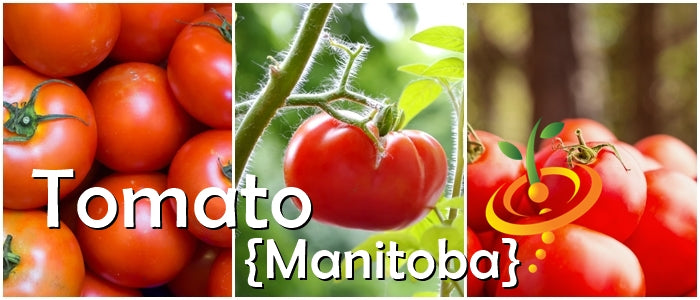
The Manitoba Tomato is an early producer, so it’s good for cooler climates with short growing seasons. Not to say that gardeners in warmer climates with long growing seasons can’t grow it. Basically, anyone in a grow zone that isn’t freezing or blazing for a couple of months can grow this tangy, juicy slicer. And it doesn’t even need a lot of garden space.
- Early producer—only 55 days
- Good for containers
- High yields
- Good for cooler climates
SEED PLANTING TIPS
- Botanical name: Solanum lycopersicum
- Growth type: Determinate, tomato cage support, no pruning
- Tomato size: Medium
- Depth to plant seeds: .25" deep
- Spacing between plants: 24" apart
- Spacing between rows: 36"-48" apart
- Days to germinate (sprout): 7-14 days
- Germination soil temps: 75F-95F
- Soil needs: 6.0-6.5 pH
- Sun needs: Full sun
- Frost hardy: No
- Planting season: Spring, summer
- # of plants per sq. ft.: Appx. 1 plant per 2 sq. ft.
- Days to maturity: 55-65 days
Click here to view our full Tomato grow guide
Good companion plants: Basil, Borage, Onion, Parsley, Pepper
-
Sprouts/Microgreens - Bean, Adzuki seeds
From $499 USDUnit price /UnavailableDescription
- Certified Kosher by Chabad House of Western Michigan.
- Certified Organic.
- The Adzuki Bean (Vigna angularis) has been grown in the Far East for centuries.
- Adzuki beans are one of Japan’s largest crops, with annual consumption of over 120,000 metric tons.
- Adzuki beans are often sprouted for only one day, mixed with other sprouts and called a "Crispy Mix" or "Crunchy Mix."
- They are commonly used throughout Asia in a variety of ways.
- Certified Kosher by Chabad House of Western Michigan.
-
Kohlrabi - Vienna, White seeds
From $299 USDUnit price /UnavailableDescription

- Bulb is pale green with tender, white, crisp flesh
- Kohlrabi looks like a turnip growing above-ground
- Eat when bulbs are 2 inches in diameter
-
Days to Maturity | 65 days
-
Kohlrabi Seeds | Grow Kohlrabi in loose, average soil. Direct-sow your seeds 4 to 6 weeks before the last frost in your growing zone; about ¼ inch deep, and 10 seeds per foot.
Click here for complete Kohlrabi grow guide
Additional Details
Kohlrabi is one of the most commonly eaten vegetables in Kashmir Locally called monj, the vegetable is eaten along with the leaves (haakh). A Kashmiri household may have this on their dinner or lunch plates three to four times a week.
- Bulb is pale green with tender, white, crisp flesh
-
All-in-One Root Crop Garden Variety Pack
$3999 USDUnit price /UnavailableDescription
All-in-One Root Crop Variety Pack includes an assortment of our 15 most popular varieties. Seeds are all individually packaged with a zip-lock Mylar bag system for long-term storage & maximum seed protection. Includes all of the following varieties:
1. Beet - Boltardy (Appx. 20 seeds)
-
The Boltardy Beet is a Detroit-type beet originating from Holland which has a beautiful deep-red, ringless flesh and very smooth skin. Boltardy Beets are extremely hardy. Can withstand cool weather. Highly resistant to bolting. 60 days Days to Maturity

2. Beet - Bulls Blood (Appx. 20 seeds)
- This heirloom beet is grown for its tender, sweet, deep red-burgundy foliage, but the beets are tasty when harvested when they are 2 - 3". The leaves reach 18" tall. Its dark leaves contrast nicely with many garden plants. Easy to grow. 60 Days to Maturity

3. Beet - Chioggia (Appx. 20 seeds)
- A rare heirloom beet variety introduced to the United States in the 1840's from Italy. The Chioggia beet produces excellent yields of some of the sweetest pink skinned beets. Chioggia beets have red & white rings. Perfect for juicing, boiling, pickling, baking, and/or freezing. Leaves can also be used as greens. 60 Days to Maturity

4. Beet - Detroit Dark Red (Appx. 20 seeds)
- This is an all-time favorite beet variety. Recommended by USU. The most popular beet on the market. The 2 ½ to 3 inch globe shaped roots are tender and sweet. The roots and leaves of the beet have been used in folk medicine to treat a wide variety of ailments. 60 Days to Maturity

5. Beet - Early Wonder (Appx. 20 seeds)
- Early, round, smooth-skinned beets are exceptionally tender. Ready to harvest in as little as 50 days! Easy to grow. 50 Days to Maturity

6. Carrot - Amarillo Yellow (Appx. 120 seeds)
- Amarillo Yellow heirloom carrot has an 8" long yellow root with bright yellow flesh. Sweet flavor and extremely tender. Easy to grow. Grows well in containers and raised beds. Very popular heirloom variety. 75 Days to Maturity

7. Carrot - Autumn King (10" long) (Appx. 100 seeds)
- The Autumn King carrot is one of the more popular varieties to grow. It's split-resistant skin turns to a deep dark orange/red color as it matures. One of the largest of carrots! Grows 10" - 12" long. Easy to grow in sandy soil. A favorite to many home growers. 70 Days to Maturity

8. Carrot - Danvers (7" long) (Appx. 150 seeds)
- The Danvers carrot outperforms all other carrots in heavier soils. 7" long and 2" thick with thickly tapered ends. Tender and very sweet. Carrots are a sun-loving plants that also like the cold. Just keep them consistently watered and they'll be happy. 70 Days to Maturity

9. Carrot - Little Fingers (4" long) (Appx. 200 seeds)
- The Little Finger carrots are one of the quickest to grow. 4" cylindrical roots Very tender and sweet variety. Many can be grown in a small space. Carrots are a sun-loving plants that also like the cold. 50 Days to Maturity
10. Radish - Easter Egg (Appx. 120 seeds)
- The Easter Egg Radish is just as the name suggests ... a mix of flavorful multi-colored radishes! Radishes are red, pink, purple, violet, and white. Excellent in salads. Extremely easy to grow. Grows well in small spaces. 40 Days to Maturity

11. Radish - Pink Beauty (Appx. 160 seeds)
- Produces beautiful pink radishes with a white flesh. Looks amazing! Great for culinary dishes. The white flesh is crisp and mild in flavor. Great for selling at farmers markets. Unique and rare heirloom radish. Grows well in containers and small spaces. 30 Days to Maturity

12. Rutabaga - American Purple Top (Appx. 100 seeds)
- Recommended by USU. Large 5 to 6 inch roots are purple and yellow colored, nearly round. Flesh is yellow, mild and fine grained. 90 Days to Maturity

13. Turnip - Purple Top / White Globe (Appx. 100 seeds)
- Smooth round roots, 4 to 6 inches across are purple on top and white below. Flesh is white, mild, and crisp. Stores well Extremely healthy and nutritious. Very easy to grow. 55 Days to Maturity

14. Turnip - Golden Globe (Appx. 140 seeds)
- A beautiful and delicious turnip with golden color and amazing flavor. The quality and tenderness is best when harvested at 3”. Plant in early spring and/or fall. 55 Days to Maturity

15. Parsnip - Harris Model (Appx. 50 seeds)
- Harris Model Parsnips are 3½" in diameter by up to 12" long. The flesh is white and extremely tender. One of the most popular parsnip varieties around! Very easy to grow - similar to carrots.
-
The Boltardy Beet is a Detroit-type beet originating from Holland which has a beautiful deep-red, ringless flesh and very smooth skin. Boltardy Beets are extremely hardy. Can withstand cool weather. Highly resistant to bolting. 60 days Days to Maturity


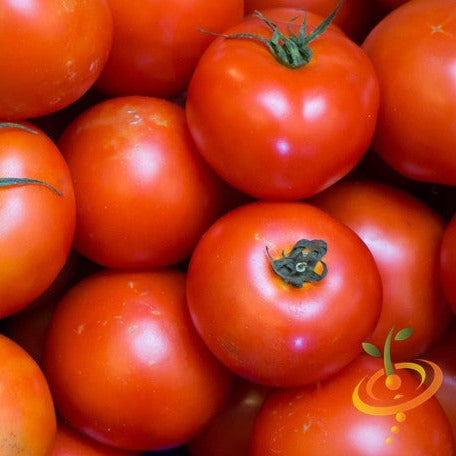


🌱 Featured Collections
View all


Earn -&- redeem BeetCOINS™ 💰 for seriously special rewards! Learn more about rewards
... continue shopping!
🔥 Trending Now
View all-
Cilantro/Coriander, Slow-Bolt (splits) seeds
From $399 USDUnit price /Unavailable -

*FREE GIFT* ALL-IN-1 SEED STARTER KIT!
$000 USDUnit price /Unavailable -
*FREE* ORGANIC GARDENING GROW GUIDES eBOOK
$000 USDUnit price /Unavailable -
*Seed Starting Soil Pods* (ORGANIC)
From $499 USDUnit price /Unavailable -
Squash (Summer) - Black Beauty Zucchini seeds
From $299 USDUnit price /Unavailable -
Pepper (Sweet) - California Wonder seeds
From $299 USDUnit price /Unavailable -
Carrot - Tendersweet (7" Long) seeds
From $299 USDUnit price /Unavailable -
Pepper (Hot) - Jalapeño, Early Green 🔥🔥 seeds
From $299 USDUnit price /Unavailable -
From $399 USDUnit price /Unavailable
-

Lavender, English Flower seeds
From $399 USDUnit price /Unavailable -
Arugula - Roquette (Rocket) seeds
From $299 USDUnit price /Unavailable -
Basil, Italian Large Leaf seeds
From $099 USDUnit price /Unavailable -
From $399 USDUnit price /Unavailable
-
From $399 USDUnit price /Unavailable
-
From $299 USDUnit price /Unavailable
-
From $399 USDUnit price /Unavailable


🪴 Essential Supplies -&- More
View all-
*FREE* ORGANIC GARDENING GROW GUIDES eBOOK
$000 USDUnit price /Unavailable -
 From $199 USDUnit price /Unavailable
 -
Epsom Salts Soil Fertilizer (THE BEST!)
From $299 USDUnit price /Unavailable -
*Seed Starting Soil Pods* (ORGANIC)
From $499 USDUnit price /Unavailable -
Seed Storage Vault Small (.57 Liters/5.5" tall)
$999 USD$1299Unit price /Unavailable -
Seed Storage Vault Xtra-Small (.29 liters/3.75" tall)
$999 USDUnit price /Unavailable -
Seed Storage Vault Medium (1.3 liters/8" tall)
$1499 USD$1999Unit price /Unavailable -
Seed Storage Vault Large (2.5 liters/10.25" tall)
$2599 USD$2999Unit price /Unavailable -
Seed Storage Vault Xtra-Large (3.8 liters/10.25" tall)
$3899 USDUnit price /Unavailable -
All-in-One MEGA SEED BANK for Survival w/LARGE Seed Storage Vault
$24999 USD$29900Unit price /Unavailable


Get this month's seeds kit for FREE w/any-size order!
INCLUDES: Organic indoor seed starting soil pod + seeds of the month + plant label marker + instructions/grow guides


We want everyone to be successful growing their own sustainable organic vegetable garden. We created this Organic Gardening Grow Guides eBook ... and we're giving it away - for FREE! This eBook includes absolutely everything you need to know --- seed-to-harvest!