

Onion - Southport, White Globe (Long Day) seeds
From $299 USDUnit price /UnavailableDescription

-
The Southport Onion produces medium-sized white globe onions
- A crisp and mild-flavored onion
- Perfect for salads and many other culinary creations
- A long day onion
- Grows well in containers and small spaces
- Easy to grow
-
Days to Maturity | 120 days
Onion Seeds | Onions are easy to grow, have a fairly short growing period and take up little space in the garden. Plant onions 1/4 inch deep and 3 to 4 inches apart in double rows, leaving 6 to 10 inches between rows.
Click here for complete Onion grow guide
-
The Southport Onion produces medium-sized white globe onions

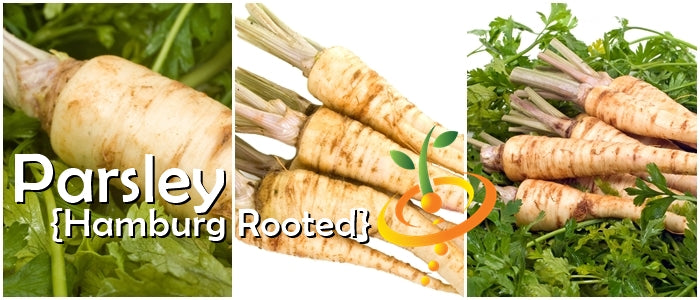
Parsley - Rooted Hamburg seeds
From $299 USDUnit price /UnavailableDescription
-
A very old heirloom variety dating back to the 1600's
- Hamburg Rooted Parsley is used differently than other parsley plants. It's actually preferred by many European cooks and is typically the main ingredient for many stews
- Hamburg Rooted Parsley is a large edible root with smooth mild parsley flavor
- Very easy to grow
- In Europe root parsley is usually the first choice over parsnips
-
Day to Maturity | 85 days
-
A very old heirloom variety dating back to the 1600's
-
From $299 USDUnit price /Unavailable
Description

- Harris Model Parsnips are 3½" in diameter by up to 12" long
- The flesh is white and extremely tender
- One of the most popular parsnip varieties around
- Very easy to grow - similar to carrots
-
Days to Maturity | 90 days
- Click here to learn how to grow perfect parsnips!
Additional DetailsThe parsnip (Pastinaca sativa) is a root vegetable related to the carrot. Parsnips resemble carrots, but are paler in color than most carrots, and have a sweeter taste, especially when cooked. The buttery, slightly spicy, sweet flavor of cooked mature parsnips (often picked after the first frost) is reminiscent of butterscotch, honey, and subtle cardamom. (Source)
Follow SeedsNow.com's board Parsnips on Pinterest. - Harris Model Parsnips are 3½" in diameter by up to 12" long
 From $299 USDUnit price /Unavailable
Description
The Hollow Crown Parsnip (Pastinaca sativa) has a 100-year history as a delicious, hardy, versatile root vegetable. This relative to Carrots grows to 10"-12" with a smooth, white, tender root. Eaten raw, it’s nutty and sweet, turning buttery and slightly spicy when cooked. Hardy to frosts and freezes, which sweetens the flavor. Try them roasted or puréed and topped with Parmesan cheese.
- Sweet, nutty flavor
- Tender and buttery
- Sweeter after a frost
- Good fresh and cooked
Good companion plants: Anise, Bush Bean, Garlic, Lettuce, Onion, Oregano, Pea, Radish, Rosemary, Sage, Tomato, Wormwood
SEED PLANTING TIPS
- Botanical name: Pastinaca sativa
- Depth to plant seeds: 1/4" deep
- Spacing between plants: 2"-3" apart
- Spacing between rows: 18"-24" apart
- Days to germinate (sprout): 10-28 days
- Germination soil temps: 50F-75F
- Soil needs: 6.0-7.0 pH
- Sun needs: Full sun, part shade
- Frost tolerant: Yes
- Planting season: Spring, fall
- # of plants per sq. ft.: Appx. 9 plants per sq. ft.
- Days to maturity: 100-120 days
-
Pea (Snap) - Cascadia Sugar seeds
From $299 USDUnit price /UnavailableDescription

-
The Cascadia snap pea plant produces 4" long delicious snap peas
- Very flavorful
- Excellent for stir fry
- Plant Height: 32" tall
-
Days to Maturity | 65 days
Pea Seeds | Peas are a cool season vegetable, and do best in a climate where there are two months of cool growing weather, either spring planting in the northern regions or fall planting in the warmer, southern regions. Plant seeds 4"-6" apart.
Click here for complete Pea grow guide
Additional DetailsPeas are high in vitamin A, vitamin C, B vitamins and lutein. Dry weight is about one-quarter protein and one-quarter sugar.
Follow SeedsNow.com's board Peas on Pinterest. -
The Cascadia snap pea plant produces 4" long delicious snap peas
-
From $299 USDUnit price /Unavailable
Description

- Sweet dwarf "snap peas" are great fresh from the garden, with dips and salads. Also great steamed or stir-fried
- Peas grow on 24-30" vines that doesn't need support to grow
- Produces medium sized green peas with 3" pods
- Excellent flavor and easy to grow
-
Days to Maturity | 55-70 days
Pea Seeds | Peas are a cool season vegetable, and do best in a climate where there are two months of cool growing weather, either spring planting in the northern regions or fall planting in the warmer, southern regions. Plant seeds 4"-6" apart.
Click here for complete Pea grow guide
- Sweet dwarf "snap peas" are great fresh from the garden, with dips and salads. Also great steamed or stir-fried
-
From $299 USDUnit price /Unavailable
Description

- The snap pea may be planted in spring as early as the soil can be worked
- Tolerates light frost when young
- High tolerance of hot temperatures
- Grow as a vine and requires a trellis or anything else the can climb along
-
Days to Maturity | 60 days
Pea Seeds | Peas are a cool season vegetable, and do best in a climate where there are two months of cool growing weather, either spring planting in the northern regions or fall planting in the warmer, southern regions. Plant seeds 4"-6" apart.
Click here for complete Pea grow guide
Additional DetailsPeas are high in vitamin A, vitamin C, B vitamins and lutein. Dry weight is about one-quarter protein and one-quarter sugar.
Follow SeedsNow.com's board Peas on Pinterest. - The snap pea may be planted in spring as early as the soil can be worked

Pea (Snow) - Mammoth Melting Sugar seeds
From $299 USDUnit price /UnavailableDescription
- This popular pea variety is sweet, sugary and tender
- This edible pod snow pea has made its place in home gardens for many years
- These pea pods are some of the biggest ( appx. 4-5")
- Makes for an excellent addition to stir fry
- Big white flowers are an bonus as they quickly turn into tasty peas
- This pea has been so successful it has been considered a commercial variety for generations
- Days to Maturity | 65-70 days
Additional DetailsPeas are high in vitamin A, vitamin C, B vitamins and lutein. Dry weight is about one-quarter protein and one-quarter sugar.
-
Pea (Snow) - Oregon Giant seeds
From $299 USDUnit price /UnavailableDescription

- This variety has unusually large, thick pods that grow up to 5" long
- Medium green, flat pods are very tender and have a mild, sweet flavor that holds well into the season
- Vines grow 30-36 inches tall and are heavy producers making this variety one of the best producing snow peas available
- Shows resistance to common wilt, mosaic virus, and powdery mildew
-
Days to Maturity | 70 days
Peas are a cool season vegetable, and do best in a climate where there are two months of cool growing weather, either spring planting in the northern regions or fall planting in the warmer, southern regions. Plant seeds 4"-6" apart.
Click here for complete Pea grow guide
Additional Details
Peas are high in vitamin A, vitamin C, B vitamins and lutein. Dry weight is about one-quarter protein and one-quarter sugar.
- This variety has unusually large, thick pods that grow up to 5" long
-
Pea - Alaska Early (Earliest of All) seeds
From $299 USDUnit price /UnavailableDescription
The Alaska Early Pea (Pisum sativum), originally named Earliest of All, has a lot of great qualities. As you can guess, it’s one of the earliest to produce in only 55 days. It’s a semi-dwarf frost-tolerant bush variety that grows to only 2'-3' tall and doesn’t require staking. And it produces lots of 2"-3" pods with 5-8 small, plump, smooth, peas inside. Nice flavor that isn’t too sweet. It was renamed in the late 1800s after the steamship Alaska. Can be grown in Alaska, the lower 48, and Hawaii.
- Not too sweet
- Full sun
- High yields
- Early maturity—55 days
- Good for containers
Good companion plants: Bean, Carrot, Cucumber, Parsley, Pepper, Sage, Spinach, Squash, Strawberry, Thyme
SEED PLANTING TIPS
- Botanical name: Pisum sativum
- Hardiness zones: 2-11
- Pea type: English/shelling - remove peas from pod before eating
- Growth habit: Bush - no support
- Depth to plant seeds: 1" deep
- Spacing between plants: 2"-3" apart
- Spacing between rows: 18"-24" apart
- Days to germinate (sprout): 7-21 days
- Germination soil temps: 40F-85F
- Soil needs: Clay, sandy, loamy, chalky, rich, moist, well-drained
- Soil pH: 5.5-7.0
- Sun needs: Full sun
- Frost tolerant: Yes
- # of plants per sq. ft.: Appx. 8 plants per sq. ft.
- Days to maturity: 55-60 days
-
From $299 USDUnit price /Unavailable
Description
The Green Arrow Pea (Pisum sativum) is an old English heirloom shelling pea. A semi-dwarf frost-tolerant bush variety that grows to only 2'-3' tall and doesn't require staking. High yields for a compact plant. Produces lots of 4"-5" pods with 9-11 plump, tender, sweet peas inside. Delicious fresh or cooked, if you don’t eat them all before you make it into the house.
- Sweet and tender
- Full sun
- High yields
- Good fresh or cooked
- Good for containers
Good companion plants: Bean, Carrot, Cucumber, Parsley, Pepper, Sage, Spinach, Squash, Strawberry, Thyme
SEED PLANTING TIPS
- Hardiness zones: 2-11
- Planting season: Spring
- Pea type: English/shelling - remove peas from pod before eating
- Growth habit: Bush - no support
- Depth to plant seeds: 1" deep
- Spacing between plants: 2"-3" apart
- Spacing between rows: 18"-24" apart
- Days to germinate (sprout): 7-21 days
- Germination soil temps: 40F-85F
- Soil needs: Clay, sandy, loamy, chalky, rich, moist, well-drained
- Soil pH: 5.5-7.0
- Sun needs: Full sun
- Frost tolerant: Yes
- # of plants per sq. ft.: Appx. 8 plants per sq. ft.
- Days to maturity: 65-70 days
-
From $299 USDUnit price /Unavailable
Description

- Compact, 18 to 20 inch plant requires staking and should utilize a trellis
- Fine, sweet flavor when picked young
- Pods are 3 inches with 5 or 6 peas
- Easy to grow
- Days to Maturity | 60 days
- Peas are a cool season vegetable, and do best in a climate where there are two months of cool growing weather, either spring planting in the northern regions or fall planting in the warmer, southern regions. Plant seeds 4"-6" apart.
Click here for complete Pea grow guide
Additional DetailsPeas are high in vitamin A, vitamin C, B vitamins and lutein. Dry weight is about one-quarter protein and one-quarter sugar.
-
From $299 USDUnit price /Unavailable
Description
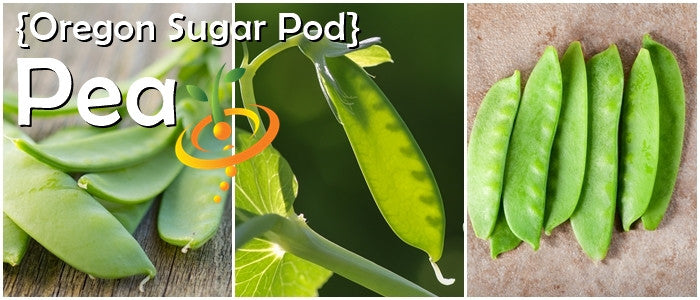
Oregon Sugar Pod peas are a premium snap variety prized by gardeners for their exceptional sweetness and tender, edible pods. These vigorous vines produce abundant harvests of crisp, flavorful pods perfect for fresh eating, stir-fries, and salads. Known for reliable germination and disease resistance, Oregon Sugar Pod thrives in cool-season gardens and matures quickly for successive plantings. Ideal for both novice and experienced growers seeking consistent, high-quality yields.
- Mammoth type snow pea with excellent flavor and easy to grow
- Excellent quality, string present as pod matures
- Resistant to Enation Virus, Powdery Mildew and Common Pea Wilt
- Vine height 16-30"
- 4" light green pea pods
-
Days to Maturity | 60 days
Pea Seeds | Peas are a cool season vegetable, and do best in a climate where there are two months of cool growing weather, either spring planting in the northern regions or fall planting in the warmer, southern regions. Plant seeds 4"-6" apart.
Click here for complete Pea grow guide
Additional DetailsPeas are high in vitamin A, vitamin C, B vitamins and lutein. Dry weight is about one-quarter protein and one-quarter sugar.
- Mammoth type snow pea with excellent flavor and easy to grow
-
From $299 USDUnit price /Unavailable
Description

- This is the most popular large-pod garden shelling pea
- Each plants produce 4"-5" pods with 6-9 large green peas inside
- It is an early producer. Does not require staking
- Easy to grow
- Great flavor and excellent quality
- Days to Maturity | 55 days
Additional DetailsPeas are high in vitamin A, vitamin C, B vitamins and lutein. Dry weight is about one-quarter protein and one-quarter sugar.
- This is the most popular large-pod garden shelling pea
-
From $299 USDUnit price /Unavailable
Description

- The most productive pea variety suitable for warm weather
- Wando peas also tolerates the cold extremely well for early sowing
- Bush variety
-
Days to Maturity | 65 days
Pea Seeds | Peas are a cool season vegetable, and do best in a climate where there are two months of cool growing weather, either spring planting in the northern regions or fall planting in the warmer, southern regions. Plant seeds 4"-6" apart.
Click here for complete Pea grow guide
Additional DetailsPeas are high in vitamin A, vitamin C, B vitamins and lutein. Dry weight is about one-quarter protein and one-quarter sugar.
- The most productive pea variety suitable for warm weather
-
From $299 USDUnit price /Unavailable
Description
The Crego Mix Aster (Callistephus chinensis) is a showy collection of full 4" flower heads with delicate curled petals in multiple pastel hues of red, white, pink, and purple. Also called China Aster, it resembles the Chrysanthemum and grows 2'-3' tall. A soft accent in the garden or as a cut flower.
- Life cycle: Annual
- Bloom season: Summer, fall
- Attracts: Bees, butterflies, and other pollinators
- Flower meaning: Afterthought, daintiness, elegance, love of variety, patience
SEED PLANTING TIPS
- Botanical name: Callistephus chinensis
- Hardiness zones: 2-11
- Planting season: Spring
- Days to maturity: 90-120
- Cold stratify: No
- Depth to plant seeds: Lightly cover - seeds need light to germinate
- Spacing between plants: 8"-12" apart
- Days to germinate (sprout): 14-21 days
- Germination soil temps: 70F-75F
- Soil types: Loamy, well-drained
- Soil pH: 5.5-7.5
- Water needs: Average
- Sun needs: Full sun, part shade
- Frost tolerant: No
- Drought tolerant: No
- Deer resistant: Yes
-
Aster, New England (Michaelmas Daisy) Flower seeds
From $299 USDUnit price /UnavailableDescription
The New England Aster (Symphyotrichum novae-angliae), also called Michaelmas daisy, offers gorgeous 1.5" blooms in vibrant shades of purple, pink, or white. Long daisy-like petals grow around a yellow center on a 3'-6' sturdy, hairy, leafy stem. A sweet show in the garden or in a vase.
- Life cycle: Herbaceous perennial
- Bloom season: Summer, fall
- Attracts: Bees, butterflies, and other pollinators
- Flower meaning: Afterthought, daintiness, elegance, love of variety, patience
SEED PLANTING TIPS
- Botanical name: Symphyotrichum novae-angliae
- Hardiness zones: 4-8
- Planting season: Spring
- Days to maturity: 90-120
- Cold stratify: Yes
- Depth to plant seeds: Lightly cover - seeds need light to germinate
- Spacing between plants: 12"-24" apart
- Days to germinate (sprout): 14-21 days
- Germination soil temps: 70F-75F
- Soil types: Loamy, rich, moist, well-drained
- Soil pH: 5.8-6.8
- Water needs: Average
- Sun needs: Full sun, part shade
- Frost tolerant: No
- Drought tolerant: No
- Deer resistant: Yes
-
Aster, Powderpuff (China Aster) Flower seeds
From $299 USDUnit price /UnavailableDescription
The Powderpuff Aster (Callistephus chinensis) puts out a huge fully double flower that looks like a pom-pom in multiple pastel hues of white, pink, and purple. Also called China Aster, it resembles the Chrysanthemum and grows 2'-3' tall. A soft accent in the garden or tied with a ribbon into a long-lasting bouquet.
- Life cycle: Annual
- Bloom season: Summer, fall
- Attracts: Bees, butterflies, and other pollinators
- Flower meaning: Afterthought, daintiness, elegance, love of variety, patience
SEED PLANTING TIPS
- Botanical name: Callistephus chinensis
- Hardiness zones: 2-11
- Planting season: Spring
- Days to maturity: 90-120
- Cold stratify: No
- Depth to plant seeds: Lightly cover - seeds need light to germinate
- Spacing between plants: 12"-24" apart
- Days to germinate (sprout): 14-21 days
- Germination soil temps: 70F-75F
- Soil types: Loamy, rich, moist, well-drained
- Soil pH: 5.8-6.5
- Water needs: Average
- Sun needs: Full sun, part shade
- Drought tolerant: No
- Deer resistant: Yes

Aster, Single Mix Flower seeds
From $299 USDUnit price /UnavailableDescription
The Aster, particularly the Single Mix variety, is a popular choice among gardeners due to its vibrant colors and adaptability to various growing conditions. This perennial plant belongs to the Asteraceae family, which is known for its diverse range of flowering species. Asters are native to Europe, Asia, and North America, and they thrive in temperate climates.
One of the notable characteristics of the Aster, Single Mix China, is its ability to produce an array of colors, including shades of pink, purple, blue, and white. These flowers typically bloom from late summer to early fall, providing a crucial source of nectar for pollinators such as bees and butterflies during a time when many other plants have finished flowering. In fact, studies have shown that Asters can attract up to 50% more pollinators compared to other flowering plants in the same environment.
The growth habit of the Aster, Single Mix China, is upright, reaching heights of approximately 1 to 3 feet, depending on the specific cultivar and growing conditions. The plant prefers well-drained soil and can tolerate a range of pH levels, although it thrives best in slightly acidic to neutral soils (pH 6.0 to 7.0). Asters are also known for their drought resistance once established, requiring minimal watering, which makes them an excellent choice for sustainable gardening practices.
In terms of care, Asters benefit from regular deadheading, which encourages further blooming and prevents the plant from becoming leggy. Fertilization is generally not necessary; however, a balanced, slow-release fertilizer can be applied in early spring to promote healthy growth. Furthermore, Asters are relatively pest-resistant, although they may occasionally attract aphids or spider mites. Integrated pest management strategies, such as introducing beneficial insects, can effectively control these pests without the need for chemical interventions.
When planting Aster, Single Mix China, it is advisable to space the plants approximately 12 to 18 inches apart to allow for adequate air circulation and to minimize the risk of fungal diseases. This spacing also promotes healthy growth and ensures that each plant has sufficient access to sunlight. Asters thrive in full sun to partial shade, with at least 6 hours of direct sunlight per day being ideal for optimal flowering.
In summary, the Aster, Single Mix China flowers are an excellent addition to any garden, providing not only aesthetic appeal but also ecological benefits. Their resilience, vibrant colors, and ability to attract pollinators make them a valuable choice for both novice and experienced gardeners alike. By understanding the specific needs and characteristics of this plant, gardeners can successfully cultivate Asters and enjoy their beauty for many seasons to come.
SEED PLANTING TIPS
- Botanical name: Callistephus chinensis
- Hardiness zones: 2-11
- Planting season: Spring
- Days to maturity: 90-120
- Cold stratify: No
- Depth to plant seeds: Lightly cover - seeds need light to germinate
- Spacing between plants: 8"-12" apart
- Days to germinate (sprout): 14-21 days
- Germination soil temps: 70F-75F
- Soil types: Loamy, well-drained
- Soil pH: 5.5-7.5
- Water needs: Average
- Sun needs: Full sun, part shade
- Frost tolerant: No
- Drought tolerant: No
- Deer resistant: Yes
-
Aster, Smooth Blue Flower seeds
From $299 USDUnit price /UnavailableDescription
The Smooth Blue Aster (Symphyotrichum laeve) bursts out gorgeous star-like violet-blue blooms with long smooth petals around a yellow center. Grows on a 2'-3' sturdy stem that also takes on a blue hue. This frost-tolerant flower can bloom through Thanksgiving.
- Life cycle: Herbaceous perennial
- Bloom season: Summer, fall
- Attracts: Bees, butterflies, and other pollinators
- Flower meaning: Afterthought, daintiness, elegance, love of variety, patience
SEED PLANTING TIPS
- Botanical name: Symphyotrichum laeve
- Hardiness zones: 4-8
- Planting season: Spring
- Days to maturity: 90-120
- Cold stratify: Yes
- Depth to plant seeds: Lightly cover - seeds need light to germinate
- Spacing between plants: 12"-24" apart
- Days to germinate (sprout): 14-21 days
- Germination soil temps: 70F-75F
- Soil types: Clay, sandy, loamy, rocky, dry, well-drained
- Soil pH: 5.8-6.5
- Water needs: Average
- Sun needs: Full sun, part shade
- Frost tolerant: Yes
- Drought tolerant: Yes
- Deer resistant: Yes
-
From $299 USDUnit price /Unavailable
Description

- This popular broccoli variety produces a short, 24 inch plant with medium-large heads. Withstands cold well. Best used for a fall crop.
- Extremely flavorful heads of broccoli.
- ‘Calabrese’ is an old Italian heirloom variety that sprouts side shoots that will mature for harvesting.
-
Once the main head is cut off the plant will continuously produce many broccoli shoots during the season
-
Days to Maturity | 65 days
- Broccoli is high in vitamin C, as well as dietary fiber; it also contains multiple nutrients with potent anti-cancer properties, such as diindolylmethane and small amounts of selenium. A single serving provides more than 30 mg of Vitamin C and a half-cup provides 52 mg of Vitamin C.
- This popular broccoli variety produces a short, 24 inch plant with medium-large heads. Withstands cold well. Best used for a fall crop.
-
Carrot - Snow White (7" Long) seeds
From $299 USDUnit price /UnavailableDescription
The Snow White Carrot (Daucus carota) is a creamy white carrot with a crispy crunch and mild, sweet flavor. Grows 7" long with a tapered root. Harvest sooner for small carrots. Half-hardy to frost and light freezes. Good steamed, roasted, and fresh.
- Sweet and crunchy
- Size: 7" long
- Days to germinate (sprout): 7-21 days
- Days to maturity: 70-75
Good companion plants: Broccoli, Cauliflower, Chives, Lettuce, Onion, Parsley, Peas, Rosemary, Sage, Thyme, Tomato
SEED PLANTING TIPS
- Depth to plant seeds: .25" deep
- Spacing between plants: 2" apart
- Spacing between rows: 18"-24" apart
- Days to germinate (sprout): 7-21 days
- Germination soil temps: 65F-85F
- Soil needs: 6.0-6.8 pH
- Sun needs: Full sun
- Hardiness: Half-hardy to frost and light freezes
- Planting season: Spring, fall
- # of plants per sq. ft.: Appx. 16 plants per sq. ft.
- Days to maturity: 70-75 days
-
From $299 USDUnit price /Unavailable
Description

- Rare white heirloom cucumber variety
- Produces beautiful white cucumbers about 6" long x 2" thick
- Heat tolerant
- Excellent variety for any sized backyard garden, raised beds, or containers
- Amazing flavor and very tender
-
Days to Maturity | 55-60 days
-
Cucumber Seeds | Grow cucumbers where a long, warm growing season, minimum 65 days, can be assured. Plant seeds where there is ample space and vines can sprawl, the simplest way is to plant cucumbers in hills.
Click here for complete Cucumber grow guide
Follow SeedsNow.com's board Cucumbers on Pinterest. - Rare white heirloom cucumber variety
-
Cucumber - Tendergreen Burpless seeds
From $299 USDUnit price /UnavailableDescription

- The Tendergreen Burpless cucumber variety is extremely sweet and tender
- Produces medium sized green fruits
- Pick when they grow to 8"
- Also used for pickling if picked less than 8"
-
Days to Maturity | 65 days
-
Cucumber Seeds | Grow cucumbers where a long, warm growing season, minimum 65 days, can be assured. Plant seeds where there is ample space and vines can sprawl, the simplest way is to plant cucumbers in hills.
Click here for complete Cucumber grow guide
- The Tendergreen Burpless cucumber variety is extremely sweet and tender

Daisy, African Flake (Cape Marigold) Flower seeds
From $299 USDUnit price /UnavailableDescription
The African Flake Daisy (Dimorphotheca sinuata), also called Cape Marigold, puts out 2"-3" daisy-like flowers in bright, happy colors of orange, white, and yellow around brown-rimmed centers on 8"-16" stems. Whether in the garden or a vase, this day flower closes up its petals at night, reopening the next day. Drought tolerant and blooms early.
- Life cycle: Annual
- Bloom season: Spring, summer, fall
- Attracts: Bees, butterflies, and other pollinators
- Flower meaning: Innocence, new beginnings, purity, true love
SEED PLANTING TIPS
- Botanical name: Dimorphotheca sinuata
- Hardiness zones: 2-11
- Planting season: Spring, fall
- Days to maturity: 90 days
- Cold stratify: No
- Depth to plant seeds: Lightly cover - seeds need light to germinate
- Spacing between plants: 8"-12" apart
- Days to germinate (sprout): 10-21 days
- Germination soil temps: 65F-75F
- Soil types: Sandy, loamy, well-drained
- Soil pH: 6.5-7.0
- Water needs: Low - prefers dry soil
- Sun needs: Full sun
- Frost tolerant: No
- Drought tolerant: Yes
- Deer resistant: Yes
-
Daisy, Black-Eyed Susan (Rudbeckia Hirta) Flower seeds
From $299 USDUnit price /UnavailableDescription
The Daisy, specifically the Rudbeckia Hirta, is a perennial plant that is widely appreciated for its vibrant yellow flowers and its ability to thrive in various garden conditions. This species, commonly known as the Black-eyed Susan, belongs to the Asteraceae family and is native to North America. The plant typically reaches a height of 1 to 3 feet and produces flowers that can measure up to 3 inches in diameter.
Rudbeckia Hirta is characterized by its distinctive dark brown or black center, surrounded by bright yellow petals. This striking appearance not only enhances the aesthetic appeal of gardens but also attracts a variety of pollinators, including bees and butterflies, which are essential for maintaining ecological balance. Studies indicate that plants like Rudbeckia Hirta can increase pollinator activity by up to 50% in garden environments.
In terms of cultivation, Rudbeckia Hirta is known for its resilience and adaptability. It prefers full sun but can tolerate partial shade, making it suitable for diverse planting locations. The plant thrives in well-drained soil and can withstand drought conditions once established. It is important to note that while Rudbeckia Hirta is relatively low-maintenance, regular deadheading can promote prolonged blooming periods, extending the flowering season from mid-summer to early fall.
From a horticultural perspective, the Rudbeckia Hirta is often used in mixed borders, wildflower gardens, and as a cut flower in arrangements. Its ability to self-seed allows for natural propagation, contributing to the sustainability of garden ecosystems. However, gardeners should be mindful of its potential to spread, as it can become invasive in certain regions if not managed properly.
In summary, the Daisy (Rudbeckia Hirta) is a valuable addition to any garden, offering both visual appeal and ecological benefits. Its ease of care, coupled with its role in supporting pollinator populations, makes it an ideal choice for both novice and experienced gardeners alike. By incorporating Rudbeckia Hirta into your gardening plans, you can enhance the biodiversity and beauty of your outdoor space.
- Life cycle: Tender perennial
- Bloom season: Summer
- Attracts: Bees, butterflies, and other pollinators
- Flower meaning: Justice
SEED PLANTING TIPS
- Botanical name: Rudbeckia hirta
- Hardiness zones: 3-8
- Planting season: Spring, fall
- Days to maturity: 90-120 days
- Cold stratify: Yes
- Depth to plant seeds: Lightly cover - seeds need light to germinate
- Spacing between plants: 12"-18" apart
- Days to germinate (sprout): 7-21 days
- Germination soil temps: 70F-75F
- Soil types: Clay, sandy, loamy, moist, well-drained
- Soil pH: 6.8-7.7
- Water needs: Average
- Sun needs: Full sun, part shade
- Frost tolerant: No
- Drought tolerant: Yes
- Deer resistant: Yes

Daisy, English White (Bellis Perennis) Flower seeds
From $299 USDUnit price /UnavailableDescription
Commonly known as the daisy, is a perennial flowering plant that belongs to the Asteraceae family. This species is native to Europe but has become widely naturalized in various regions around the world, including North America. The plant is characterized by its distinctive white petals surrounding a yellow central disc, which can create a visually appealing display in gardens.
One of the notable features of Bellis perennis is its ability to thrive in a variety of soil types, although it prefers well-drained, fertile soils. The plant typically grows to a height of 10 to 30 centimeters and can spread up to 25 centimeters in width. Its growth habit is low and rosette-like, making it an excellent choice for ground cover or as an edging plant in garden beds.
Bellis perennis is known for its resilience and adaptability. It can tolerate a range of environmental conditions, including partial shade and full sun. This adaptability allows it to flourish in diverse garden settings, from formal landscapes to wildflower gardens. The plant is also capable of self-seeding, which can lead to naturalized populations in suitable environments.
In terms of flowering, the Bellis perennis typically blooms from early spring to late summer, with peak flowering occurring in late spring. The flowers are not only aesthetically pleasing but also serve as a valuable nectar source for pollinators such as bees and butterflies. This makes the common daisy an important component of biodiversity in garden ecosystems.
From a horticultural perspective, the Bellis perennis is relatively low-maintenance. Regular deadheading can encourage prolonged blooming and prevent the plant from becoming leggy. Additionally, it is advisable to divide the plants every few years to maintain vigor and promote healthy growth. The plant is generally resistant to pests and diseases, although it may occasionally be affected by aphids or fungal infections in overly damp conditions.
In summary, the Bellis perennis flower plant is a versatile and attractive addition to any garden. Its ability to thrive in various conditions, coupled with its appeal to pollinators, makes it a valuable choice for gardeners looking to enhance both the beauty and ecological health of their outdoor spaces. Understanding the characteristics and care requirements of this plant can lead to successful cultivation and a vibrant garden display.
-
From $299 USDUnit price /Unavailable
Description
The Ox-Eye Daisy (Leucanthemum vulgare) is a perennial flowering plant that is commonly found in gardens and natural landscapes. This species is characterized by its distinctive white petals and yellow central disc, making it a popular choice for ornamental gardening. The plant typically reaches a height of 1 to 3 feet and blooms from late spring to early fall, providing a long-lasting display of flowers.
One of the notable features of the Ox-Eye Daisy is its adaptability to various soil types. It thrives in well-drained soils but can also tolerate poorer soil conditions, which makes it an excellent choice for gardeners looking to fill challenging areas. The plant prefers full sun but can also grow in partial shade, although flowering may be reduced in lower light conditions.
In terms of maintenance, the Ox-Eye Daisy is relatively low-maintenance. It requires minimal watering once established, as it is drought-tolerant. However, regular deadheading can promote further blooming and prevent the plant from becoming overly invasive, as it can self-seed readily. It is important to note that while the Ox-Eye Daisy can enhance the aesthetic appeal of a garden, it may also compete with native flora if not managed properly.
From a horticultural perspective, the Ox-Eye Daisy is beneficial for attracting pollinators, including bees and butterflies, which are essential for maintaining biodiversity in garden ecosystems. The flowers provide a source of nectar, contributing to the overall health of pollinator populations. Studies have shown that gardens with a variety of flowering plants, including the Ox-Eye Daisy, can increase pollinator visitation rates by up to 50%.
In addition to its ornamental value, the Ox-Eye Daisy has historical significance in traditional medicine. Various parts of the plant have been used for their anti-inflammatory and antiseptic properties, although scientific evidence supporting these uses is limited. As with any plant, caution should be exercised when considering medicinal applications, and consultation with a qualified professional is recommended.
In summary, the Ox-Eye Daisy is a versatile and attractive addition to any garden. Its ability to thrive in diverse conditions, coupled with its role in supporting pollinator health, makes it a valuable plant for both aesthetic and ecological purposes. Gardeners should consider incorporating this species into their planting schemes to enhance both the beauty and biodiversity of their outdoor spaces.
SEED PLANTING TIPS
- Botanical name: Leucanthemum x superbum
- Hardiness zones: 4-9
- Planting season: Spring
- Days to maturity: 1st or 2nd year
- Cold stratify: Yes
- Depth to plant seeds: Lightly cover - seeds need light to germinate
- Spacing between plants: 18"-24" apart
- Days to germinate (sprout): 14-21 days
- Germination soil temps: 65F-70F
- Soil types: Loamy, moist, well-drained
- Soil pH: 5.5-6.2
- Water needs: Low - do not overwater
- Sun needs: Full sun
- Frost tolerant: No
- Drought tolerant: Yes
- Deer resistant: Yes
-
From $299 USDUnit price /Unavailable
Description
The Shasta Daisy (Leucanthemum x superbum) is a drought-tolerant perennial. Produces large 2" blossoms with long bright white petals around a golden yellow center. Grows 2'-4' tall on thin stems with narrow, serrated, dark green foliage. Long lasting in the garden and as a cut flower.
- Life cycle: Perennial
- Bloom season: Summer
- Attracts: Butterflies and other pollinators
- Flower meaning: Innocence, new beginnings, purity, true love
SEED PLANTING TIPS
- Botanical name: Leucanthemum x superbum
- Hardiness zones: 4-9
- Planting season: Spring
- Days to maturity: 1st or 2nd year
- Cold stratify: Yes
- Depth to plant seeds: Lightly cover - seeds need light to germinate
- Spacing between plants: 18"-24" apart
- Days to germinate (sprout): 14-21 days
- Germination soil temps: 65F-70F
- Soil types: Loamy, moist, well-drained
- Soil pH: 5.5-6.2
- Water needs: Low - do not overwater
- Sun needs: Full sun
- Frost tolerant: No
- Drought tolerant: Yes
- Deer resistant: Yes
-
From $299 USDUnit price /Unavailable
Description
-
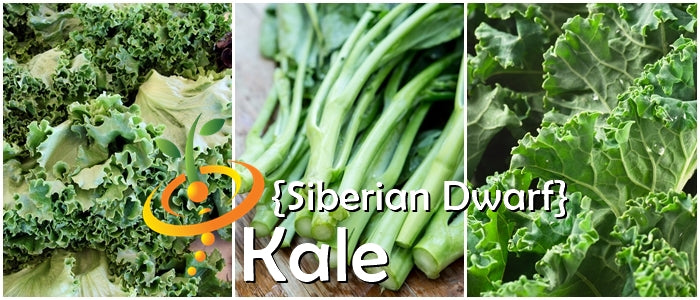
Early Kale variety produces flavorful leaves
- The dark-green leaves are finely curled and reach up to 8-12"
- Great when used fresh in salads or on sandwiches
- Can handle the cold extremely well
- Very good frost resistant kale variety
-
Days to Maturity | 50 days
-
Kale Seeds | Kale can be planted pretty much anywhere in the United States where there's a cool fall growing season. Plant Kale in rows 18 inches to 2 feet apart.
Click here for complete Kale grow guide
Additional DetailsKale is considered to be a highly nutritious vegetable with powerful antioxidant properties; kale is considered to be anti-inflammatory. Kale is very high in beta carotene, vitamin K, vitamin C, lutein, zeaxanthin, and reasonably rich in calcium.
Follow SeedsNow.com's board Kale on Pinterest. -
Early Kale variety produces flavorful leaves
-
Larkspur (Delphinium Consolida), GIANT Imperial Mix Flowers
From $299 USDUnit price /UnavailableDescription
-
From $299 USDUnit price /Unavailable
Description
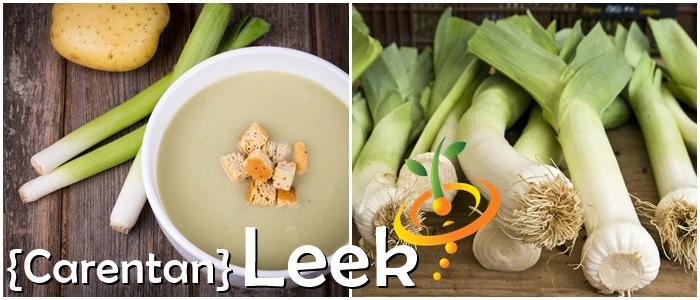
- Looks similar to large scallions and has an onion flavor
- The foliage is green with white bottoms
- Leek can be planted up to 4 weeks before last frost
-
Days to Maturity | 90-110 days
-
Leek Seeds | Plant leeks in the spring, and late in the summer or fall. Plant leek seedlings 8-10 inches apart.
Click here for complete Leek grow guide
Additional Details
The leek is one of the national emblems of Wales, worn along with the daffodil (in Welsh, the daffodil is known as "Peter's Leek," Cenhinen Bedr) on St. David’s Day.
- Looks similar to large scallions and has an onion flavor
-
Leek - Giant Musselburgh seeds
From $299 USDUnit price /UnavailableDescription

- Mild, sweet, onion-like flavor
- A very hardy variety
- Blue-green leaves resemble giant scallions
-
Days to Maturity | 100 days
-
Leek Seeds | Plant leeks in the spring, and late in the summer or fall. Plant leek seedlings 8-10 inches apart
Click here for complete Leek grow guide
- Mild, sweet, onion-like flavor
-
Leek - Large American Flag seeds
From $299 USDUnit price /UnavailableDescription

- Mild, sweet, onion-like flavor. Very hardy, will overwinter in milder climates. The 7 to 9 inch stems blanch snowy white and are topped with blue-green leaves resemble giant scallions.
-
Days to Maturity | 90-100 days
-
Leek Seeds | Plant leeks in the spring, and late in the summer or fall. Plant leek seedlings 8-10 inches apart.
Click here for complete Leek grow guide
- Mild, sweet, onion-like flavor. Very hardy, will overwinter in milder climates. The 7 to 9 inch stems blanch snowy white and are topped with blue-green leaves resemble giant scallions.
-
From $299 USDUnit price /Unavailable
Description

-
The Amarillo Oro plant produces good yields of large 15 lb. golden yellow oblong melons. A pre-1870 heirloom variety from Europe
- White flesh with sweet flavor
- Grows well in the winter
- Suitable for home gardens and market growers
-
Days to Maturity | 90 days
-
Melon Seeds | Because of the long growing season, start plants indoors 4 to 5 weeks before outdoor planting time. Direct sow 4-5 seeds in a hill and then thin to the appropriate spacing.
Click here for complete Melon grow guide
-
The Amarillo Oro plant produces good yields of large 15 lb. golden yellow oblong melons. A pre-1870 heirloom variety from Europe
-
From $299 USDUnit price /Unavailable
Description

Anise (Pimpinella anisum), also called Aniseed, is a sweet, aromatic annual in the parsley family.
The leaves and flowers are lacy, delicate, and delicious, and plants can grow 2'-3' tall.
With a fresh licorice flavor, use as you would Tarragon and Fennel in both savory meat and vegetable dishes, salads and dressings, and sweet baked goods, such as biscotti.
Chew the seeds for a natural breath freshener and digestif. Its aromatic seeds are also used for cooking and herbal medicine.
You may be familiar with the anise flavor if you've had absinthe, as anise seeds are the basis for this famous alcoholic beverage.
- Licorice flavor
- Edible seeds and leaves
- Culinary and medicinal
- Good for containers
As a companion plant, it attracts pollinators and beneficial insects, and repels aphids, cabbage moths, cabbage white fly, cabbage worms, slugs, and snails, but is strangely irresistible to bears, deer, dogs, and mice.
As a medicinal herb, Anise has been used internally to treat bad breath, bloating, constipation, cough, flatulence, hot flashes, indigestion, lack of appetite, migraine headaches, and upset stomach, and externally to treat bronchitis, eye pain, and swelling.
⚠️ Medicinal properties are presented as information only, and are not a recommendation or prescription for use. Consult a medical professional before using any herb medicinally.

Baby's Breath (Gypsophila) Flower seeds
From $299 USDUnit price /UnavailableDescription
Baby's Breath, scientifically known as Gypsophila, is a perennial flowering plant that is widely appreciated for its delicate, airy appearance and versatility in garden settings. This plant is characterized by its small, white or pink flowers that bloom in clusters, creating a cloud-like effect that can enhance the aesthetic appeal of any garden.
It is important to note that while Baby's Breath is generally pest-resistant, it can occasionally be affected by aphids or spider mites. Regular monitoring and appropriate cultural practices can help mitigate these issues. Furthermore, the plant is not considered invasive, making it a safe addition to most garden environments.
In summary, Baby's Breath is a valuable addition to any garden, offering both visual appeal and practical benefits. Its ease of care, drought tolerance, and compatibility with other plants make it a preferred choice for gardeners seeking to create a beautiful and sustainable landscape.
-
From $299 USDUnit price /Unavailable
Description

The Borlotti Bush Bean (Phaseolus vulgaris) is an old Italian heirloom, also known as the Cranberry Bean. With its vibrant crimson streaks, the beautiful pods are easy to spot in the garden. Can be eaten as a green bean, or dried and used like its relative the kidney bean.
- Easy to grow
- High in fiber
- Matures quickly—55 days
- Good as a dried bean
Shop all Bean Seeds Shop Good Companion Plants for Beans 📚 Grow Guide: Beans -
Bean, Bush - Tongue of Fire seeds
From $299 USDUnit price /UnavailableDescription
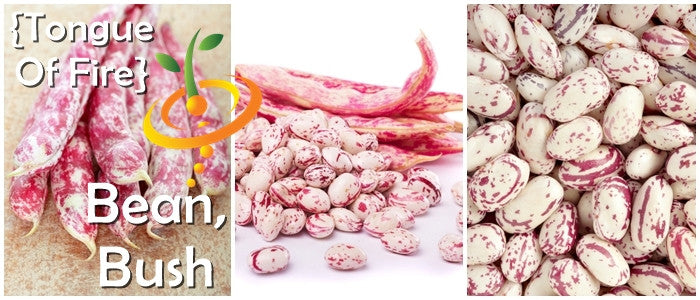
Not only does the Tongue of Fire Bush Bean have one of the best names for a vegetable, this Italian heirloom bean produces beautiful, flavorful wide cranberry streaked pods. Originally collected in Tierra del Fuego on the tip of South America, it produces 6"-7" long pods on a compact plant. Eat it young as a green bean, shell it when it matures, or let it dry and cook the large beans as you would kidney beans.
- Easy to grow
- High yielding
- Beautiful and delicious
- 6"-7" long pods
SEED PLANTING TIPS
- Botanical name: Phaseolus vulgaris
- Depth to plant seeds: 1" deep
- Spacing between plants: 4" apart
- Spacing between rows: 18"-24" apart
- Days to germinate (sprout): 5-10 days
- Germination soil temps: 70F-85F
- Soil needs: 6.0-7.0 pH
- Sun needs: Full sun
- Frost hardy: No
- Planting season: Spring, summer, fall
- # of plants per sq. ft.: Appx. 4 plants per sq. ft.
- Days to maturity: 55-90 days
Click here to view our full Bean grow guide
Good companion plants: Cucumber, Pea, Rosemary, Thyme, Tomato
-
Bean, Runner/Pole - Scarlet Runner seeds
From $299 USDUnit price /UnavailableDescription

The Scarlet Runner Pole Bean is just about as traditional a vegetable you can grow in your garden. Named for its showy red hummingbird attractors (flowers) it puts out on 6'-8' vines that will grow on fences, trellises, and yes, poles. This high-yielding runner bean produces foot-long pods with speckled red-purple beans, but pick them sooner for best flavor. Tolerates heat and drought, and doesn’t mind cool nights.
- Easy to grow
- Heat tolerant
- Long pods up to 8"-12”
- Eat fresh, shelled, or dried
SEED PLANTING TIPS
- Botanical name: Phaseolus coccineus
- Depth to plant seeds: 1" deep
- Spacing between plants: 5" apart
- Spacing between rows: 18"-24" apart
- Days to germinate (sprout): 8-14 days
- Germination soil temps: 70F-85F
- Soil needs: 6.0-7.0 pH
- Sun needs: Full sun
- Frost hardy: No
- Planting season: Spring, summer
- # of plants per sq. ft.: Appx. 4 plants per sq. ft.
- Days to maturity: 65-75 days
Click here to view our full Bean grow guide
Good companion plants: Cucumber, Pea, Rosemary, Thyme, Tomato
-
From $299 USDUnit price /Unavailable
Description
Blueberry seeds from a certified organic blueberry farm in Kentucky, USA.
Northern and Southern blueberry seed mix.BLUEBERRY PLANTS ARE EASY TO GROW FROM SEEDS
These seeds have been stratified to get the highest possible germination rate. They are NON GMO.
Blueberry seeds are slow germinators, the first seeds will probably start to germinate in about a month, and finish germinating over the next 2-3 months. Blueberries should be started in a separate container from other varieties that germinate quickly because they can take longer to sprout up.
-
Coreopsis, Tall Plains/Golden Tickseed Flower seeds
From $299 USDUnit price /UnavailableDescription
Tall Plains Flower or Golden Tickseed, scientifically known as Coreopsis tinctoria, is a perennial plant native to the prairies and open fields of North America. This species is particularly valued for its vibrant yellow and reddish-brown flowers, which bloom from late spring to early fall, providing a continuous display of color in the garden. The plant typically reaches heights of 2 to 3 feet, making it a striking addition to any landscape.
One of the key characteristics of Coreopsis tinctoria is its adaptability to various soil types. It thrives in well-drained soils, preferring sandy or loamy conditions, and can tolerate drought once established. This resilience makes it an excellent choice for gardeners looking to create low-maintenance landscapes. In fact, studies have shown that plants like Coreopsis tinctoria can reduce water usage by up to 50% compared to traditional garden plants, contributing to sustainable gardening practices.
The flowers of Coreopsis tinctoria are not only aesthetically pleasing but also serve an ecological purpose. They attract a variety of pollinators, including bees and butterflies, which are essential for maintaining biodiversity in garden ecosystems. Research indicates that flowering plants can increase pollinator populations by as much as 30%, highlighting the importance of incorporating native species like Coreopsis tinctoria into garden designs.
In terms of care, Coreopsis tinctoria requires minimal intervention. Regular deadheading of spent flowers can encourage further blooming and prolong the flowering period. Additionally, this plant is generally resistant to pests and diseases, making it a reliable choice for both novice and experienced gardeners. It is important to note that while Coreopsis tinctoria is a hardy plant, it benefits from occasional fertilization with a balanced fertilizer to promote healthy growth and flowering.
When planning a garden that includes Coreopsis tinctoria, consider its placement in relation to other plants. It pairs well with other native wildflowers and grasses, creating a naturalistic look that mimics its native habitat. Furthermore, planting in groups of three or more can enhance visual impact and provide a more substantial habitat for pollinators.
In conclusion, Coreopsis tinctoria is a valuable addition to any garden, offering both beauty and ecological benefits. Its adaptability, low maintenance requirements, and ability to attract pollinators make it an ideal choice for sustainable gardening. By incorporating this native plant into your landscape, you contribute to the preservation of local ecosystems while enjoying its vibrant blooms throughout the growing season.
- Life cycle: Herbaceous perennial
- Bloom season: Summer
- Attracts: Birds, bees, butterflies, beneficial insects, and other pollinators
- Flower meaning: Always cheerful, friendship, happiness, joy, love at first sight, optimism
SEED PLANTING TIPS
- Botanical name: Coreopsis lanceolata
- Hardiness zones: 4-9
- Planting season: Spring, fall
- Days to maturity: 2nd year
- Cold stratify: Yes
- Depth to plant seeds: Lightly cover - seeds need light to germinate
- Spacing between plants: 8"-12" apart
- Days to germinate (sprout): 7-21 days
- Germination soil temps: 65F-75F
- Soil types: Sandy, loamy, rocky, chalky, moist, well-drained
- Soil pH: 5.5-6.5
- Water needs: Average
- Sun needs: Full sun, part shade
- Frost tolerant: No
- Drought tolerant: Yes
- Deer resistant: Yes
-
Coreopsis, Lanceleaf Tickseed Flower seeds
From $299 USDUnit price /UnavailableDescription
The Lanceleaf Coreopsis (Coreopsis lanceolata), also called Lanceleaf Tickseed, is a drought-tolerant perennial. Produces large 2"-3" blossoms with bright yellow notched petals around a golden yellow center. Grows 1'-2' tall on thin stems with narrow, lance-shaped foliage. Blooms continuously throughout the summer.
- Life cycle: Herbaceous perennial
- Bloom season: Summer
- Attracts: Birds, bees, butterflies, beneficial insects, and other pollinators
- Flower meaning: Always cheerful, friendship, happiness, joy, love at first sight, optimism
SEED PLANTING TIPS
- Botanical name: Coreopsis lanceolata
- Hardiness zones: 4-9
- Planting season: Spring, fall
- Days to maturity: 2nd year
- Cold stratify: Yes
- Depth to plant seeds: Lightly cover - seeds need light to germinate
- Spacing between plants: 8"-12" apart
- Days to germinate (sprout): 7-21 days
- Germination soil temps: 65F-75F
- Soil types: Sandy, loamy, rocky, chalky, moist, well-drained
- Soil pH: 5.5-6.5
- Water needs: Average
- Sun needs: Full sun, part shade
- Frost tolerant: No
- Drought tolerant: Yes
- Deer resistant: Yes
-
From $299 USDUnit price /Unavailable
Description
Quick Overview
• Annual
• Good for breaking up soil!• Planting rate: 1 lb. per 1,000 sq. ft.
Details
Especially valuable for its release of phosphorus, buckwheat also contributes a significant amount of organic matter. Very competitive with weeds, good for breaking up the soil. Can grow two crops in the north.
Bees love Buckwheat! Good bugs love buckwheat!Seed when ground is well warmed and after last spring frost; it has no frost tolerance. When June planted, in 35 days it is waist high, in bloom and ready to plow under. Good to follow with a fall crops of rye and Austrian winter pea. Just rake in some seed after harvesting an annual crop and buckwheat will keep out the weeds and look great doing it. Green Lacewing adults will feast on the nectar then deposit their "aphid lion" eggs on nearby garden crops. -
Cover Crop - Clover (Red Crimson) seeds
From $299 USDUnit price /UnavailableDescription
Quick Overview
• Biennial
• Bees love clover!
Details
Planted spring, summer or fall, this quick growing clover is the most versatile variety for a green manure to enrich soil. Needs good moisture. Flowers are used for tea. Excellent forage and cover crop. Planting rate: ½ lb. per 1,000 sq. ft. -
Cover Crop - Clover (Medium Red) seeds
From $299 USDUnit price /UnavailableDescription
Medium Red Clover (Trifolium pratense) is a widely recognized cover crop that plays a significant role in sustainable agriculture and gardening practices. This leguminous plant is particularly valued for its ability to improve soil health, enhance biodiversity, and contribute to sustainable farming systems.
One of the primary benefits of using Medium Red Clover as a cover crop is its nitrogen-fixing capability. Clover plants have a symbiotic relationship with Rhizobium bacteria, which allows them to convert atmospheric nitrogen into a form that is accessible to plants. Research indicates that clover can fix approximately 100 to 200 pounds of nitrogen per acre per year, significantly reducing the need for synthetic fertilizers and promoting a more sustainable approach to soil fertility.
In addition to nitrogen fixation, Medium Red Clover also improves soil structure and health. Its deep taproot system helps to break up compacted soil layers, enhancing aeration and water infiltration. This can lead to improved root development for subsequent crops and increased resilience against drought conditions. Studies have shown that cover crops like clover can increase soil organic matter by 0.5 to 1.5 percent over several years, which is crucial for maintaining soil fertility and structure.
Furthermore, Medium Red Clover serves as an excellent weed suppressor. The dense foliage of clover can outcompete many common weeds, reducing the need for herbicides and manual weeding. This natural weed control mechanism not only saves labor but also minimizes chemical inputs, aligning with organic gardening principles.
Medium Red Clover is also beneficial for attracting beneficial insects and pollinators. The flowers of clover are a rich source of nectar and pollen, supporting a diverse ecosystem in the garden. This can lead to improved pollination rates for other crops and contribute to overall biodiversity in the agricultural landscape.
When incorporating Medium Red Clover into a garden or farming system, it is essential to consider the timing of planting and termination. Clover is typically sown in the late summer or early fall, allowing it to establish before winter. It can be terminated in the spring before planting the main crop, either through mowing or tillage, to incorporate its biomass into the soil, thus enhancing nutrient availability for subsequent crops.
In summary, Medium Red Clover is a valuable cover crop that offers numerous benefits, including nitrogen fixation, soil improvement, weed suppression, and support for beneficial insects. Its use in sustainable gardening practices can lead to healthier soils, reduced reliance on chemical inputs, and increased biodiversity, making it an essential component of modern agricultural systems.
-
Cover Crop - Clover (White Dutch) seeds
From $299 USDUnit price /UnavailableDescription
Quick Overview
• Perennial
• Chokes out weeds
Details
Perennial. A low-growing perennial clover that forms a nice mat perfect for pathways between beds. It competes well against quckgrass and, although the plants grow over into the beds, they can easily be pulled back with a rake before mowing. As a green manure/cover crop, it fixes nitrogen and since it's perennial, can be plowed in at any time. Pre-inoculated seed. Plant in early spring: April-May. Planting rate: ½ lb per 1,000 sq. ft.; 8-10 lbs per acre for dry land, 10-12 lbs per acre for irrigated land. -
Cover Crop - Hairy Vetch seeds
From $299 USDUnit price /UnavailableDescription
Quick Overview
• Annual
• Nitrogen-rich
• Hardy
• Vicia villosa Cool season legume cover cropDetails
Valuable soil-improvement crop. Vigorous legume produces huge amounts of nitrogen-rich biomass for turning under. Can be planted in the spring through late summer. Late summer (late August early September) planted vetch will winter over, growing vigorously the following spring. Can be mixed with oats or rye for maximum weed competition. Hardy; will also sprout in the spring if planted before the ground freezes in November (like winter rye). Demands fairly fertile soil and adequate rainfall as is shallow-rooted. Livestock caution: Seeds are poisonous. Planting rate: 1 lb per 1,000 sq ft -
Cover Crop - Fall & Winter Rye seeds
From $299 USDUnit price /UnavailableDescription
Quick Overview
• Perennial
• Suppress weeds
Details
Very hardy, valued for its ability to break up hard pan soils with a profusion of roots and root hairs. Suppresses weeds, adaptable to a wide range of soil and climate conditions. Can plant from early spring until the ground freezes as a winter cover crop. Plant in fall with winter peas for nitrogen, organic matter and weed suppression. Planting rate: 3lbs per 1,000 sq ft; -
Cover Crop - Summer Max Mix seeds
From $299 USDUnit price /UnavailableDescription
The Summer Max Cover Crop Seed Mix is a carefully formulated blend designed to enhance soil health and promote sustainable gardening practices. This mix includes a variety of species that thrive in warmer temperatures, providing numerous benefits to the garden ecosystem.
One of the primary advantages of using a cover crop mix is its ability to improve soil structure. The roots of the plants in the mix penetrate the soil, creating channels that enhance aeration and water infiltration. Studies have shown that cover crops can increase soil organic matter by up to 1% per year, which is significant for long-term soil fertility.
Additionally, the Summer Max Cover Crop Seed Mix contributes to nutrient cycling. As the plants grow, they absorb nutrients from the soil, which are then returned to the soil when the plants decompose. This process can reduce the need for synthetic fertilizers, promoting a more organic approach to gardening.
Another key benefit of this cover crop mix is its ability to suppress weeds. The dense growth of the cover crops shades the soil, limiting the sunlight available for weed seeds to germinate. Research indicates that cover crops can reduce weed populations by as much as 70%, thereby minimizing competition for resources among desired plants.
Furthermore, the Summer Max Cover Crop Seed Mix can enhance biodiversity in the garden. By planting a mix of species, gardeners can attract beneficial insects and pollinators, which play a crucial role in maintaining a healthy ecosystem. Increased biodiversity can lead to improved pest management, as natural predators help control pest populations.
It is essential to consider the timing and management of cover crops. The Summer Max Cover Crop Seed Mix is typically sown in late spring or early summer, allowing it to establish before the heat of summer sets in. Proper management practices, such as mowing or terminating the cover crops before planting the main crop, are vital to ensure that the benefits of the cover crops are fully realized.
In conclusion, the Summer Max Cover Crop Seed Mix offers a range of benefits for gardeners looking to improve soil health, suppress weeds, and promote biodiversity. By incorporating this mix into their gardening practices, individuals can contribute to a more sustainable and productive gardening environment.


🌱 Featured Collections
View all


Earn -&- redeem BeetCOINS™ 💰 for seriously special rewards! Learn more about rewards
... continue shopping!
🔥 Trending Now
View all-
Cilantro/Coriander, Slow-Bolt (splits) seeds
From $399 USDUnit price /Unavailable -

*FREE GIFT* ALL-IN-1 SEED STARTER KIT!
$000 USDUnit price /Unavailable -
*FREE* ORGANIC GARDENING GROW GUIDES eBOOK
$000 USDUnit price /Unavailable -
*Seed Starting Soil Pods* (ORGANIC)
From $499 USDUnit price /Unavailable -
Squash (Summer) - Black Beauty Zucchini seeds
From $299 USDUnit price /Unavailable -
Pepper (Sweet) - California Wonder seeds
From $299 USDUnit price /Unavailable -
Carrot - Tendersweet (7" Long) seeds
From $299 USDUnit price /Unavailable -
Pepper (Hot) - Jalapeño, Early Green 🔥🔥 seeds
From $299 USDUnit price /Unavailable -
From $399 USDUnit price /Unavailable
-

Lavender, English Flower seeds
From $399 USDUnit price /Unavailable -
Arugula - Roquette (Rocket) seeds
From $299 USDUnit price /Unavailable -
Basil, Italian Large Leaf seeds
From $099 USDUnit price /Unavailable -
From $399 USDUnit price /Unavailable
-
From $399 USDUnit price /Unavailable
-
From $299 USDUnit price /Unavailable
-
From $399 USDUnit price /Unavailable


🪴 Essential Supplies -&- More
View all-
*FREE* ORGANIC GARDENING GROW GUIDES eBOOK
$000 USDUnit price /Unavailable -
 From $199 USDUnit price /Unavailable
 -
Epsom Salts Soil Fertilizer (THE BEST!)
From $299 USDUnit price /Unavailable -
*Seed Starting Soil Pods* (ORGANIC)
From $499 USDUnit price /Unavailable -
Seed Storage Vault Small (.57 Liters/5.5" tall)
$999 USD$1299Unit price /Unavailable -
Seed Storage Vault Xtra-Small (.29 liters/3.75" tall)
$999 USDUnit price /Unavailable -
Seed Storage Vault Medium (1.3 liters/8" tall)
$1499 USD$1999Unit price /Unavailable -
Seed Storage Vault Large (2.5 liters/10.25" tall)
$2599 USD$2999Unit price /Unavailable -
Seed Storage Vault Xtra-Large (3.8 liters/10.25" tall)
$3899 USDUnit price /Unavailable -
All-in-One MEGA SEED BANK for Survival w/LARGE Seed Storage Vault
$24999 USD$29900Unit price /Unavailable


Get this month's seeds kit for FREE w/any-size order!
INCLUDES: Organic indoor seed starting soil pod + seeds of the month + plant label marker + instructions/grow guides


We want everyone to be successful growing their own sustainable organic vegetable garden. We created this Organic Gardening Grow Guides eBook ... and we're giving it away - for FREE! This eBook includes absolutely everything you need to know --- seed-to-harvest!