
Persian Star is a purple stripe harneck type garlic. Produces a medium bulb with 9-12 cloves. Bright colored cloves that are marbled purple with a white or yellow background. Flavor is a mild spicy.
🇺🇸 FREE USA SHIPPING TODAY when you spend $10+ (no code req'd)!

SAVE 25% OFF site-wide w/code:

Tomato - Oxheart, Yellow (Indeterminate) seeds
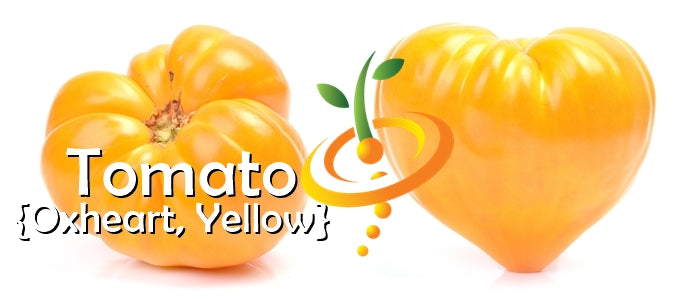
Allow us to introduce you to this fine fellow: the Yellow Oxheart Tomato. With large 1-2 lb fruits, it’s easy to savor its well-balanced flavor. Juicy and mild, it can be styled with a pinch of salt or you can can it. A delicious, nutritious fruit in the shape of a heart that you can easily add to your cart.
You may also like: Orange Oxheart Tomatoes ⟐ Pink Oxheart Tomatoes
SEED PLANTING INFO
Click here to view our full Tomato grow guide
Good companion plants: Basil, Borage, Onion, Parsley, Pepper

Pepper (Hot) - Mushroom, Yellow 🔥 seeds
The Hot Mushroom Pepper, scientifically known as Capsicum annuum, is a unique variety of chili pepper that is gaining popularity among gardeners and culinary enthusiasts alike. This pepper is characterized by its distinctive mushroom-like shape and vibrant color, which can range from green to red as it ripens. The plant typically reaches a height of 18 to 24 inches and produces fruit that can measure approximately 2 to 3 inches in length.
One of the notable features of the Hot Mushroom Pepper is its heat level, which is measured on the Scoville scale. This pepper generally falls within the range of 1,000 to 5,000 Scoville Heat Units (SHU), making it a moderately spicy option for those who enjoy a bit of heat in their dishes. For comparison, jalapeño peppers typically range from 2,500 to 8,000 SHU, indicating that the Hot Mushroom Pepper can provide a milder kick.
In terms of cultivation, the Hot Mushroom Pepper thrives in warm climates and requires full sun exposure for optimal growth. It is essential to plant these peppers in well-draining soil enriched with organic matter to ensure healthy development. The ideal soil pH for growing Hot Mushroom Peppers is between 6.0 and 6.8. Regular watering is crucial, especially during dry spells, as the plant prefers consistent moisture without becoming waterlogged.
Harvesting the Hot Mushroom Pepper typically occurs around 70 to 80 days after planting, once the fruit has reached its full size and color. It is advisable to use pruning shears or scissors to cut the peppers from the plant to avoid damaging the stems. The harvested peppers can be used fresh in salads, salsas, or cooked dishes, and they can also be dried or pickled for preservation.
In addition to their culinary uses, Hot Mushroom Peppers are also known for their health benefits. They are rich in vitamins A and C, as well as antioxidants, which can contribute to overall health and well-being. The capsaicin found in peppers has been studied for its potential anti-inflammatory properties and its ability to boost metabolism.
In summary, the Hot Mushroom Pepper plant is an excellent addition to any garden, offering both aesthetic appeal and culinary versatility. With proper care and attention, gardeners can enjoy a bountiful harvest of these unique peppers, enhancing their meals while reaping the health benefits associated with their consumption.
SEED PLANTING TIPS
Good companion plants: Basil, Carrot, Cucumber, Eggplant, Okra, Rosemary, Sage, Squash, Tomato
| All Peppers ⟐ Hot Peppers | 📚 Hot Peppers Grow Guide |

Lettuce - Salad Bowl, Green seeds


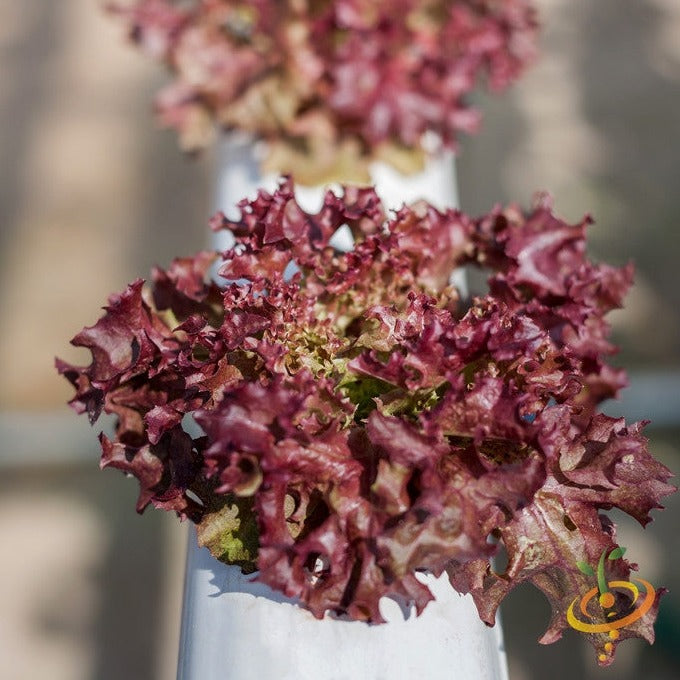
Lettuce - Salad Bowl, Red seeds


Garlic - (Hard Neck) Persian Star
Persian Star is a purple stripe harneck type garlic. Produces a medium bulb with 9-12 cloves. Bright colored cloves that are marbled purple with a white or yellow background. Flavor is a mild spicy.
Garlic can be planted in the spring as soon as the ground can be worked, but fall planting is recommended. Bulbs will grow bigger and more flavorful when you plant them in the fall.
Key Planting Info:
Click here for a more detailed Garlic Grow Guide ->

Garlic - (Hard Neck) Red Grain
Red Grain is a purple stipe hardneck type garlic. It produces 9-12 medium size cloves. White with red streaks throughout. Spicy in flavor, but sweet when cooked.
Garlic can be planted in the spring as soon as the ground can be worked, but fall planting is recommended. Bulbs will grow bigger and more flavorful when you plant them in the fall.
Key Planting Info:
Click here for a more detailed Garlic Grow Guide ->

Earn -&- redeem BeetCOINS™ 💰 for seriously special rewards! Learn more about rewards
... continue shopping!

Cilantro/Coriander, Slow-Bolt (splits) seeds

*FREE GIFT* ALL-IN-1 SEED STARTER KIT!

*FREE* ORGANIC GARDENING GROW GUIDES eBOOK

*Seed Starting Soil Pods* (ORGANIC)

Squash (Summer) - Black Beauty Zucchini seeds

Pepper (Sweet) - California Wonder seeds

Carrot - Tendersweet (7" Long) seeds

Pepper (Hot) - Jalapeño, Early Green 🔥🔥 seeds


Lavender, English Flower seeds

Arugula - Roquette (Rocket) seeds

Basil, Italian Large Leaf seeds


*FREE* ORGANIC GARDENING GROW GUIDES eBOOK


Epsom Salts Soil Fertilizer (THE BEST!)
*Seed Starting Soil Pods* (ORGANIC)

Seed Storage Vault Small (.57 Liters/5.5" tall)

Seed Storage Vault Xtra-Small (.29 liters/3.75" tall)

Seed Storage Vault Medium (1.3 liters/8" tall)

Seed Storage Vault Large (2.5 liters/10.25" tall)

Seed Storage Vault Xtra-Large (3.8 liters/10.25" tall)

All-in-One MEGA SEED BANK for Survival w/LARGE Seed Storage Vault

Get this month's seeds kit for FREE w/any-size order!
INCLUDES: Organic indoor seed starting soil pod + seeds of the month + plant label marker + instructions/grow guides

We want everyone to be successful growing their own sustainable organic vegetable garden. We created this Organic Gardening Grow Guides eBook ... and we're giving it away - for FREE! This eBook includes absolutely everything you need to know --- seed-to-harvest!
Get your invite code valid for one FREE seed club shipment (up to $20!) 🪴
⚠️ Claim your invitation code now before it expires. 100% Free. No gimmicks. No contracts. Limit one per household mailing address. Offer is valid for new members only. USA shipping only.
Wait! ✋ Download a FREE COPY of our 175-page PDF Guide to Organic Gardening!
No purchase required. The download link will be sent to your email.