
Tomato - Roma (Determinate) seeds
From $399 USDUnit price /UnavailableDescription

Β
The Roma Tomato is the quintessential plum/paste tomato. Light on seeds and juice, it has thick fruit walls and dense flesh that holds onto seasonings and spices. Ever so good cooked into a thick sauce or paste, canned, or pureed. Compact plants produce meaty, egg-shaped fruits that are sweet and tangy. Skip the flavorless ones at the grocery store and grow your own Romas this summer.
- Plum/paste tomato
- Sweet, tangy flavor
- Small seed core
- Not juicy
- Good for containers
SEED PLANTING TIPS
- Botanical name: Solanum lycopersicum
- Growth type: Determinate, tomato cage support, no pruning
- Tomato size: Medium
- Depth to plant seeds: .25" deep
- Spacing between plants: 24" apart
- Spacing between rows: 36"-48" apart
- Days to germinate (sprout): 7-14 days
- Germination soil temps: 75F-95F
- Soil needs: 6.0-6.5 pH
- Sun needs: Full sun
- Frost hardy: No
- Planting season: Spring, summer
- # of plants per sq. ft.: Appx. 1 plant per 2 sq. ft.
- Days to maturity: 75-85 days
Click here to view our full Tomato grow guide
Good companion plants:Β Basil,Β Borage,Β Onion,Β Parsley,Β Pepper
Swiss Chard - Rainbow Mix seeds
From $399 USDUnit price /UnavailableDescription

- The Rainbow Swiss Chard is a popular plant thatΒ produces some of the most amazing looking swiss chard leaves in shades of red, orange, purple, yellow, and white
- Perfect for salads or steamed greens
- One of this years most popular varieties to grow
- A heirloom variety from Australia
- Extremely healthy
- Easy to grow - Days to Maturity | 65 days
Additional DetailsSwiss chard is high in vitamins A, K and C, with a 175g serving containing 214%, 716%, and 53%, respectively, of the recommended daily value. It is also rich in minerals, dietary fiber and protein.
ΒΒ
- The Rainbow Swiss Chard is a popular plant thatΒ produces some of the most amazing looking swiss chard leaves in shades of red, orange, purple, yellow, and white
- From $399 USDUnit price /Unavailable
Description

- Sage is an aromatic perennial plant that is actually part of the mint family.Β The plant produces grayish-green leaves that are used in many popular food dishes, most notably in the preparation of sausages
- Natural mosquito repellent
- The leaves can also be used as a digestive and nerve tonic
- Excellent as a border plant around the garden
- Grows well in containers
- Easy to grow from seed and can be sowed directly in the garden
- Days to Maturity | 75 days
Follow SeedsNow.com's board Sage on Pinterest. Β
- Sage is an aromatic perennial plant that is actually part of the mint family.Β The plant produces grayish-green leaves that are used in many popular food dishes, most notably in the preparation of sausages
- From $399 USDUnit price /Unavailable
Description

- The Victoria Rhubarb variety will produce high yields of long red and green stalks
- Rhubarb is a pretty easy to grow in any garden and will continue to grow for many years (10 years or more)
- The Rhubarb plant has big green leaves and bright red stems
- Used to make pies and many other dessert
- How to PlantΒ RhubarbΒ Seeds
You may also like to try Rhubarb Root, Crimson Cherry
Pumpkin - Atlantic Giant seeds
From $399 USDUnit price /UnavailableDescription

-
The Atlantic Giant pumpkin has been known to grow over 1,500 pounds!Β Without special treatment, the Atlantic Giant Pumpkin, can grow up to 200 to 300 pounds - easily
- It's best to plant 4 to 5 seeds per hill with hills at least 8 feet apart
-
Days to Maturity | 120 days
-
How to Grow Super Giant MEGA Pumpkins
Additional Details
The word pumpkin originates from the word pepon, which is Greek for βlarge melon". The French adapted this word to pompon, which the British changed to pumpion and later American colonists changed that to the word we use today, "pumpkin".
Β-
The Atlantic Giant pumpkin has been known to grow over 1,500 pounds!Β Without special treatment, the Atlantic Giant Pumpkin, can grow up to 200 to 300 pounds - easily
Pepper (Hot) - Scotch Bonnet, Yellow π₯π₯π₯ seeds
From $399 USDUnit price /UnavailableDescription

If youβve ever wondered if the sun has a flavor, the Yellow Scotch Bonnet Pepper is your answer. This deeply lobed fruit that resembles the folds of a Scottish cap is sweet and fruity, and hot enough to break a wild horse. The generous plant produces 1"-2" fruits that ripen from green to yellow to yellower. This sunny little pepper is a key ingredient in Jamaican foods for unique flavor and scorching heat, and can easily ignite all of your recipes.
- High yields
- Sweet, fruity flavor
- Harvest any color
- Good for containers
SEED PLANTING TIPS
- Botanical name: Capsicum chinense
- Pepper length: 1"-2"
- Scoville heat units (SHU): 100,000-350,000/hot
- Plant support: Tomato cage or stake
- Depth to plant seeds: .25" deep
- Spacing between plants: 18"-24" apart
- Spacing between rows: 24"-36" apart
- Days to germinate (sprout): 7-21 days
- Germination soil temps: 75F-85F
- Soil needs: 6.0-7.0 pH
- Sun needs: Full sun
- Frost hardy: No
- Planting season: Spring, summer
- # of plants per sq. ft.: Appx. 1 plant per sq. ft.
- Days to maturity: 90-120 days
Good companion plants:Β Basil, Carrot, Cucumber, Eggplant, Okra, Rosemary, Sage, Squash, Tomato
All PeppersΒ β Hot Peppers Β πΒ Hot Peppers Grow Guide Pepper (Hot) - Habanero, Red Caribbean π₯π₯π₯π₯π₯ seeds
From $399 USDUnit price /UnavailableDescription

The sweet, citrusy flavor, tropical fragrance, and lush green foliage of the Red Caribbean Habanero will remind you of a beach vacation. And so will the searing heat! Produces loads of small 1"-2" wrinkled fruits that twinkle in colors ranging from key lime green to sunrise yellow to sunset orange to sunburn red. Use it to make some haba-haba salsa, broiled halibut with charred pepper cream sauce, or spicy pineapple ice cream.
- Very high yields
- Sweet, citrusy flavor
- Hot enough to make a monkey cough
- Good for containers
SEED PLANTING TIPS
- Botanical name: Capsicum chinense
- Pepper length: 1"-2"
- Scoville heat units (SHU): 300,000-450,000/extra hot
- Plant support: Tomato cage or stake
- Depth to plant seeds: .25" deep
- Spacing between plants: 18"-24" apart
- Spacing between rows: 24"-36" apart
- Days to germinate (sprout): 10-30 days
- Germination soil temps: 75F-85F
- Soil needs: 5.0-6.0 pH
- Sun needs: Full sun
- Frost hardy: No
- Planting season: Spring, summer
- # of plants per sq. ft.: Appx. 1 plant per sq. ft.
- Days to maturity: 85-105 days
Good companion plants:Β Basil, Carrot, Cucumber, Eggplant, Okra, Rosemary, Sage, Squash, TomatoAll PeppersΒ β Hot Peppers Β πΒ Hot Peppers Grow Guide Pepper (Hot) - Habanero, Orange π₯π₯π₯π₯ seeds
From $399 USDUnit price /UnavailableDescription

The Orange Habanero Pepper is the kind of pepper that makes you want to check your garden several times a day to see how orange it can get. Very. The kind of pepper that makes you wonder if you can add it to a dish with all orange ingredients like chorizo, carrots, and sweet potatoes. Yes. Or how about with apricots and cantaloupe?Β Not as hot as other habanero peppers.- Very high yields
- Fruity, citrusy, smoky flavor
- Hot enough to make a lion yelp
- Good for containers
SEED PLANTING TIPS
- Botanical name: Capsicum chinense
- Pepper length: 1"-2"
- Scoville heat units (SHU): 200,000-300,000/very hot
- Plant support: Tomato cage or stake
- Depth to plant seeds: .25" deep
- Spacing between plants: 18"-24" apart
- Spacing between rows: 24"-36" apart
- Days to germinate (sprout): 10-30 days
- Germination soil temps: 75F-85F
- Soil needs: 5.0-6.0 pH
- Sun needs: Full sun
- Frost hardy: No
- Planting season: Spring, summer
- # of plants per sq. ft.: Appx. 1 plant per sq. ft.
- Days to maturity: 85-105 days
Good companion plants:Β Basil, Carrot, Cucumber, Eggplant, Okra, Rosemary, Sage, Squash, TomatoAll PeppersΒ β Hot Peppers Β πΒ Hot Peppers Grow Guide Pepper (Hot) - Habanero, Lemon π₯π₯π₯π₯ seeds
From $399 USDUnit price /UnavailableDescription

Yellow like the sun and hot as blazes describes the Lemon Habanero Pepper. If that scares you, thereβs a Yellow Banana Pepper and a cup of milk waiting for you in the nursery. Everyone else can pull up a chair to the big kidsβ table. This prolific plant produces lots of 2" wrinkled, waxy fruits that ripen from bright green to bright yellow to smoky golden yellow. The fruity fragrance draws you in, the citrusy flavor sits you down, and then 200,000-300,000 Scoville heat units (SHUs) of pure heat blaze across your tongue. Whereβd you say that milk is again?
- Very high yields
- Fruity and citrusy
- Hot enough to make a cow go meow
- Good for containers
SEED PLANTING TIPS
- Botanical name: Capsicum chinense
- Pepper length: 1"-2"
- Scoville heat units (SHU): 200,000-300,000/very hot
- Plant support: Tomato cage or stake
- Depth to plant seeds: .25" deep
- Spacing between plants: 18"-24" apart
- Spacing between rows: 24"-36" apart
- Days to germinate (sprout): 10-30 days
- Germination soil temps: 75F-85F
- Soil needs: 5.0-6.0 pH
- Sun needs: Full sun
- Frost hardy: No
- Planting season: Spring, summer
- # of plants per sq. ft.: Appx. 1 plant per sq. ft.
- Days to maturity: 85-105 days
Good companion plants:Β Basil, Carrot, Cucumber, Eggplant, Okra, Rosemary, Sage, Squash, TomatoAll PeppersΒ β Hot Peppers Β πΒ Hot Peppers Grow Guide Pepper (Hot) - Habanero, Chocolate π₯π₯π₯π₯π₯ seeds
From $399 USDUnit price /UnavailableDescription

The Chocolate Habanero PepperΒ is a prolific plant that produces lots of 2" waxy nuggets that ripen from dark green to reddish brown. Twice as hot as other Habanero peppers, with a distinct flavor. First, a smoky earthiness drives up, then a fruity sweetness hops in the car, and soon youβre off at 600,000 SHUs, entering the on ramp to Ghost Pepper territory. Use it to spice up everything from margaritas to mango salsa to marinated brisket, and yes, even chocolate.- Very high yields
- Smoky, earthy, sweet flavor
- Hot enough to make a leopard lose its spotsΒ
- Good for containers
SEED PLANTING TIPS
- Botanical name: Capsicum chinense
- Pepper length: 1"-2"
- Scoville heat units (SHU): 400,00-600,000/extra hot
- Plant support: Tomato cage or stake
- Depth to plant seeds: .25" deep
- Spacing between plants: 18"-24" apart
- Spacing between rows: 24"-36" apart
- Days to germinate (sprout): 10-30 days
- Germination soil temps: 75F-85F
- Soil needs: 5.0-6.0 pH
- Sun needs: Full sun
- Frost hardy: No
- Planting season: Spring, summer
- # of plants per sq. ft.: Appx. 1 plant per sq. ft.
- Days to maturity: 85-105 days
Good companion plants:Β Basil, Carrot, Cucumber, Eggplant, Okra, Rosemary, Sage, Squash, Tomato
All PeppersΒ β Hot Peppers Β πΒ Hot Peppers Grow Guide Parsley - Triple Moss Curled seeds
From $399 USDUnit price /UnavailableDescription
Triple Moss Curled Parsley brings serious flavor and serious frills to your garden! This heirloom favorite flaunts gorgeous, deeply ruffled foliage that's almost too pretty to pickβalmost. Packed with vibrant green leaves, it's a culinary superstar for soups, salads, and garnishes. Easy to grow and incredibly productive, this parsley variety keeps delivering fresh harvests throughout the season. Perfect for gardeners who want their herbs to look as good as they taste!

-
The Triple Moss Curled Parsley plant grows to about 12" tall with high yields of very dark green curled leaves
- Grows thickly and resembles a bunch of moss (hence the name)
- Excellent for drying and use as a garnish
- Extremely flavorful and aromatic
-
Days to Maturity | 70 days
- Planting Guide | Sow directly in your garden and space seeds 7" apart. Seeds can take a while to sprout. Can take 3-4 weeks before seedlings appear. Plant will grow to about 10" tall in about 60 days.
Β
Β
-
The Triple Moss Curled Parsley plant grows to about 12" tall with high yields of very dark green curled leaves
Parsley - Dark Green Italian Giant seeds
From $399 USDUnit price /UnavailableDescription

- Finely cut dark green leaves
- Flat leaves
- Use this parsley for garnishing, and culinary decoration
- Tolerates heat better than most varieties
- Days to Maturity | 60 days
- Planting Guide | Sow directly in your garden and space seeds 7" apart. Seeds can take a while to sprout. Can take 3-4 weeks before seedlings appear. Plant will grow to about 10" tall in about 60 days.
Β
Β
- From $399 USDUnit price /Unavailable
Description

- Perennial
- Hardy plant with pungent, oval leaves and purplish pink flowers
- Use fresh or dried in sauces and soups
-
Days to Maturity | 90 days
Additional Details
Hippocrates used oregano as an antiseptic, as well as a cure for stomach and respiratory ailments. It is still used today in Greece as a palliative for sore throat. Oregano is also high in antioxidant activity, due to a high content of phenolic acids and flavonoids.
Β
Β
- From $399 USDUnit price /Unavailable
Description

- One of the most popular Oregano varieties. Use fresh or dried in sauces and soups - or any culinary creation
- Days to Maturity | 90 days
Additional DetailsHippocrates used oregano as an antiseptic, as well as a cure for stomach and respiratory ailments. It is still used today in Greece as a palliative for sore throat. Oregano is also high in antioxidant activity, due to a high content of phenolic acids and flavonoids.
Β
Β
Β
- One of the most popular Oregano varieties. Use fresh or dried in sauces and soups - or any culinary creation
Onion - Spanish Sweet, White (Long Day) seeds
From $399 USDUnit price /UnavailableDescription

- The White Sweet Spanish variety will produces a globed shaped white onion
- Long day
- This is one of the most popular white onion varieties available
- Easy to growΒ
- Perfect for beginners
- Grows well in containers and tight spaces
-
Days to Maturity | 110-120 days
Onion Seeds | Onions are easy to grow, have a fairly short growing period and take up little space in the garden.Β Plant onions 1/4 inch deep and 3 to 4 inches apart in double rows, leaving 6 to 10 inches between rows.
Click here for complete Onion grow guide
Β
- The White Sweet Spanish variety will produces a globed shaped white onion
Onion - Red Burgundy (Short Day) seeds
From $399 USDUnit price /UnavailableDescription

- The Red Burgundy onion plant produces beautiful 4" wide red onions
- Short day
- These onions have a mild but very sweet flavor
- Excellent slicing variety
-
Days to Maturity | 110-120 days
Onion Seeds | Onions are easy to grow, have a fairly short growing period and take up little space in the garden.Β Plant onions 1/4 inch deep and 3 to 4 inches apart in double rows, leaving 6 to 10 inches between rows.
Click here for complete Onion grow guide
- The Red Burgundy onion plant produces beautiful 4" wide red onions
Onion - Evergreen (Bunching) seeds
From $399 USDUnit price /UnavailableDescription

-
Allium cepa. This plant produces very long and slender bunching onions
- Grown exclusively as green bunching onions. Onions have white shanks and white skin making it a very attractive scallion for gourmet dishes
- A hardy plant that can withstand cold weather
- If you like scallions, you'll love this variety
- Extremely popular
- A must have for any onion-lover
-
Days to Maturity | 120 days
Onion Seeds | Onions are easy to grow, have a fairly short growing period and take up little space in the garden.Β Plant onions 1/4 inch deep and 3 to 4 inches apart in double rows, leaving 6 to 10 inches between rows.
Click here for complete Onion grow guide
-
Allium cepa. This plant produces very long and slender bunching onions
- From $399 USDUnit price /Unavailable
Description

Spearmint (Mentha spicata) is a vigorous perennial herb prized for its mild, refreshing flavor and aromatic foliage. This cold-hardy plant thrives in full sun to partial shade and adapts to various soil conditions, though it prefers consistently moist, well-draining earth. Spearmint spreads readily via underground runners, making it ideal for container cultivation or designated garden beds. Harvest leaves throughout the growing season for fresh teas, culinary dishes, and natural pest deterrent properties. Extremely low-maintenance once established, spearmint requires minimal fertilization and tolerates both drought and wet conditions. Perfect for gardeners seeking a reliable, productive herb that returns year after year with minimal intervention.
- Spearmint ( Mentha spicata)Β is typically used in teas, jellies, deserts, and salads
- Extremely fragrant
- Sweet smelling
- Acts as a natural wasp repellant
- Perennial
- Can be used as a garnish on ice cream and drinks
- 85 days to maturity

Click here to see 7 Awesome Mint Drink Recipes HERE
Β Follow SeedsNow.com's board Mint on Pinterest.
Β
- From $399 USDUnit price /Unavailable
Description

- Health Benefits | In skin care, Lemon Mint leaves can be rubbed directly on the skin to fight off mosquitoes.Β The dried leaves can also be infused in oil made into lotions for soothing the skin.

See 7 Awesome Mint Drink Recipes HERE
Β
Follow SeedsNow.com's board Lemon Mint on Pinterest. Β
Lavender, English Flower seeds
From $399 USDUnit price /UnavailableDescription
- From $399 USDUnit price /Unavailable
Description

- Stems are purple with deep gray-green leaves.Β
- The plants mature medium-tall and leaves are tender compared to other kale varieties
- Ideal for salads and light cooking
- This variety is excellent producer in cooler growing seasons
-
Days to Maturity | 65 days
-
Kale SeedsΒ | Kale can be planted pretty much anywhere in the United States where there's a cool fall growing season. Plant Kale in rows 18 inches to 2 feet apart.Β
- Click here for complete Kale grow guide
Additional Details
Kale is considered to be a highly nutritious vegetable with powerful antioxidant properties; kale is considered to be anti-inflammatory. Kale is very high in beta carotene, vitamin K, vitamin C, lutein, zeaxanthin, and reasonably rich in calcium.
Follow SeedsNow.com's board Kale on Pinterest.
Β
- Stems are purple with deep gray-green leaves.Β
- From $399 USDUnit price /Unavailable
Description

Kale - Premier is an extremely flavorful variety perfect for juicing and healthy smoothies. This cold-hardy cultivar stays in the ground 3-4 weeks longer than standard kale varieties, making it ideal for extended fall and winter harvests across most U.S. growing regions. Matures in just 50 days. Plant in rows 18 inches to 2 feet apart in cool-season gardens. Kale is nutrient-dense, packed with vitamin K, vitamin C, beta carotene, lutein, and zeaxanthinβplus powerful antioxidants and anti-inflammatory compounds. Refer to our complete kale grow guide for detailed planting and care instructions.
- Extremely flavorful Kale variety.Β Ideal for juicing and healthy smoothies.
- This variety will stay in the ground 3-4 weeks longer than other Kale varieties.
-
Also an excellent variety for a Fall and Winter harvest!
- 50 days to maturity.
- Kale can be planted pretty much anywhere in the United States where there's a cool fall growing season. Plant Kale in rows 18 inches to 2 feet apart. Click here for complete Kale grow guide
Β
Additional DetailsKale is considered to be a highly nutritious vegetable with powerful antioxidant properties; kale is considered to be anti-inflammatory. Kale is very high in beta carotene, vitamin K, vitamin C, lutein, zeaxanthin, and reasonably rich in calcium.
Follow SeedsNow.com's board Kale on Pinterest.
Kale - Tuscany, Lacinato "Dinosaur" seeds
From $399 USDUnit price /UnavailableDescription

- Old Italian heirloom, rather primitive open kale with blue-green strap leaves that are 3" wide by 10-18" long.
- Also know and Tuscan or Dinosaur Kale!
- Perfect for making Kale Chips!
- The leaves of this extremely winter-hardy variety become sweeter after a hard frost or harvest leaves when young and tender.
- Delicious and tender when stir-fried or steamed.
- This variety is excellent for a Fall and Winter harvest.
-
Kale is considered to be a highly nutritious vegetable with powerful antioxidant properties; kale is considered to be anti-inflammatory. Kale is very high in beta carotene, vitamin K, vitamin C, lutein, zeaxanthin, and reasonably rich in calcium.
-
Days to Maturity | 65 days
-
Kale SeedsΒ | Kale can be planted pretty much anywhere in the United States where there's a cool fall growing season. Plant Kale in rows 18 inches to 2 feet apart.Β
Click here for complete Kale grow guide
Follow SeedsNow.com's board Kale on Pinterest. Β
- Old Italian heirloom, rather primitive open kale with blue-green strap leaves that are 3" wide by 10-18" long.
Kale - Classic, Blue Curled Scotch seeds
From $399 USDUnit price /UnavailableDescription

- The Blue Curled Scotch is an early Kale variety which will produce tasty greens!Β
- Excellent in salads or steamed.Β
- The blue-green leaves are finely curled and reach up to 12-15" tall!
- Can handle the cold extremely well.
- One of the best frost resistant kale varieties available.
-
Days to Maturity | 60 days
-
Kale SeedsΒ | Kale can be planted pretty much anywhere in the United States where there's a cool fall growing season. Plant Kale in rows 18 inches to 2 feet apart.Β
Click here for complete Kale grow guide
Additional Details
Kale is considered to be a highly nutritious vegetable with powerful antioxidant properties; kale is considered to be anti-inflammatory. Kale is very high in beta carotene, vitamin K, vitamin C, lutein, zeaxanthin, and reasonably rich in calcium.
- The Blue Curled Scotch is an early Kale variety which will produce tasty greens!Β
- From $399 USDUnit price /Unavailable
Description
Hyssop is a perennial herb prized for its aromatic, evergreen foliage and vibrant blue flowers, making it a valuable addition to any garden. It thrives in well-drained soil with full sun exposure and demonstrates excellent drought tolerance once established. Hyssop attracts beneficial pollinators such as bees and butterflies, enhancing biodiversity and supporting nearby plants. Its leaves and flowers are used for culinary purposes and traditional herbal remedies, offering both sensory and functional benefits. Cultivating hyssop requires minimal maintenance, making it ideal for gardeners seeking a resilient, multipurpose herb.
- Hyssop has a long history of medicinal use and was so highly esteemed in the past that it was considered to be a virtual cure-all.Β
Β - Day to Maturity | 75 days
Additional DetailsHyssop is a versatile herb that brings both beauty and utility to your garden. Known for its aromatic leaves and striking blue flowers, it attracts pollinators like bees and butterflies, promoting a healthy garden ecosystem. Beyond its visual appeal, hyssop can enhance your cooking with its distinctive flavor and has a history of traditional medicinal use. Easy to grow and maintain, this herb is a valuable addition for gardeners seeking a blend of charm and functionality. Add hyssop to your garden and enjoy its many benefits all season long.
"Currently an undervalued herb, it is often used as a household remedy, particularly as an expectorant and stomach tonic. It has a positive effect when used to treat bronchitis and respiratory infections, especially where there is excessive mucous production. Hyssop can irritate the mucous membranes, so it is best given after an infection has peaked, when the herb's tonic action encourages a general recovery. The plant should not be used by pregnant women, however, since in large quantities it can induce a miscarriage. The leaves and flowering tops are antiseptic, antitussive, astringent, carminative, diaphoretic, emmenagogue, expectorant, pectoral, sedative, stimulant, stomachic, tonic and vasodilator. The plant can be harvested when in full flower and dried for later use. A tea made from the leaves is used in the treatment of flatulence, stomach-aches, upper respiratory tract infections, coughs in children etc. A poultice made from the fresh herb is used to heal wounds. The essential oil is used in aromatherapy. Its keyword is 'Stability'. This oil should not be used on people who are highly strung as it can cause epileptic symptoms. The essential oil should not be used internally except under professional supervision." SOURCE
Β
WARNING LABEL: SeedsNow.com cannot take any responsibility for any adverse effects from the use of seeds and/or plants. Always seek advice from a professional before using a seed and/or plant for medicinal purposes.
Β
- Hyssop has a long history of medicinal use and was so highly esteemed in the past that it was considered to be a virtual cure-all.Β
Eggplant (Aubergine) - Blackbeauty seeds
From $399 USDUnit price /UnavailableDescription
Black Beauty eggplants are prized for their deep purple, glossy skin and tender flesh that delivers rich, slightly sweet flavor. These vigorous plants produce abundantly throughout the growing season, yielding large, uniform fruits ideal for grilling, roasting, or traditional preparations. Known for reliable performance in most climates, Black Beauty thrives in warm soil and full sun. Expect mature fruits within 70-80 days of transplanting. Their classic appearance and consistent quality make them a favorite among home gardeners and culinary enthusiasts alike.

- Fruits are a deep-purple, egg-shaped globe about 6 by 5 inches
- Flesh is smooth, creamy and pale yellow
-
Days to Maturity | 80 days
-
Eggplant Seeds |Β Start seed indoors to allow at least 10 weeks for young plants to develop. Plant in rows 3 feet apart, with 2 feet between plants.
Click here for complete Eggplant grow guide
- Fruits are a deep-purple, egg-shaped globe about 6 by 5 inches
- From $399 USDUnit price /Unavailable
Description

- Annual
- 3 ft. plant with strongly aromatic foliage, stems, and heads. Excellent for pickling
- Days to Maturity | 65 days
Additional Details
Dill has a very long history of herbal use going back more than 2,000 years. The seeds are a common and very effective household remedy for a wide range of digestive problems. An infusion is especially efficacious in treating gripe in babies and flatulence in young children. The seed is aromatic, carminative, mildly diuretic, galactogogue, stimulant and stomachic.
Other Medicinal Properties
Dill is also used in the form of an extracted essential oil. Used either in an infusion, or by eating the seed whole, the essential oil in the seed relieves intestinal spasms and griping, helping to settle colic. Chewing the seed improves bad breath. Dill is also a useful addition to cough, cold and flu remedies, it can be used with antispasmodics such as Viburnum opulus to relieve period pains. Dill will also help to increase the flow of milk in nursing mothers and will then be taken by the baby in the milk to help prevent colic.
Β
See Dill Recipes & Growing Tips on our Pinterest Board
Follow SeedsNow.com's board Dill on Pinterest. Β
Β
- Annual
Cilantro/Coriander, Slow-Bolt (splits) seeds
From $399 USDUnit price /UnavailableDescription

Cilantro is the most popular leafy aromatic herb with a tangy citrusy-parsley-like flavor, used in Latin and Asian cuisines.
Coriander is the dried seed, whole or powdered, with an earthy, floral flavor used as a spice in Indian cuisine. Grow it just for the seeds or the tiny pinkish flowers, which are quite sweet.
Cilantro prefers cool weather, and this slow-bolt variety will tolerate a bit more heat, putting out more leaves for a longer time before it starts bolting out tasty flowers and Coriander seeds.
Leaves, stems, flowers, seeds, and root of this fast-growing herb are all edible. It also likes shady spots, so a good one to grow indoors.Β
- Citrusy-parsley-like flavor
- All parts are edible
- Grows 1'-2' tall
- Good for indoor gardens
As a companion plant, it attracts pollinators and beneficial insects, and repels aphids, carrot rust fly, grasshoppers, mosquitoes, potato beetles, and spider mites.As a medicinal herb, Coriander has been used internally to treat anxiety, arthritis, bad breath, colic, constipation, diabetes, diarrhea, flatulence, indigestion, inflammation, insomnia, lack of appetite, nausea, nervousness, pain, stomach cramps, and urinary tract infections (UTIs), and externally to treat rheumatism, headache, joint pain, and tired eyes.
β οΈ Medicinal properties are presented as information only, and are not a recommendation or prescription for use. Consult a medical professional before using any herb medicinally.
Good companion plants: Anise, Asparagus, Basil, Broccoli, Brussels Sprouts, Cabbage, Carrot, Celery, Chervil, Collards, Cumin, Dill, Kale, Kohlrabi, Lemongrass, Lettuce, Mint, Mustard, Oregano, Parsley, Parsnip, Pea, Potato, Rutabaga, Spinach, Squash, Tomato, Turnip, Zucchini
More facts about Cilantro/Coriander:Β
- This slow-bolting strain is grown primarily for its broad, deep green, celery-like, pungent foliage.
- Used in Oriental and Mexican cuisine.
- Use seed to flavor meats, pickles and baked goods.
- Coriander contains antioxidants. It has also been used as a folk medicine for the relief of anxiety and insomnia. Coriander has also been documented as a traditional treatment for diabetes.
π Cilantro Grow Guide
Β
See Cilantro/Coriander Recipes & Growing Tips on our Pinterest Board
Follow SeedsNow.com's board Cilantro on Pinterest. Β
Β
- From $399 USDUnit price /Unavailable
Description

Chives (Allium schoenoprasum) are a versatile perennial allium that delivers delicate onion flavor to culinary applications. This hardy herb establishes quickly in garden beds or containers, preferring full sun and moderately fertile, well-draining soil. Chives produce attractive purple-pink flower clusters that bloom throughout spring and summer, offering ornamental appeal alongside culinary utility. Continuous harvesting encourages bushier growth and extends productivity across multiple seasons. The plant's shallow root system makes it an excellent companion in vegetable gardens, and its pungent foliage naturally repels certain garden pests. Exceptionally cold-hardy and drought-tolerant once established, chives require minimal maintenance while providing consistent harvests for soups, salads, and garnishes. An indispensable addition for any edible garden.
- Β Also known as Allium Scoenoprasum.Β A perennial plant that grows narrow, grass-like leaves that have a mild onion-like flavor
- Chives are rich in vitamins A and C, contain trace amounts of sulfur, and are rich in calcium and iron
- Used for many culinary creationsΒ
- Perfect for containers and small spaces
- The plant will grow to about 12" tall
-
Days to Maturity | 80 days
-
Chives | Chives are grown best in cooler weather, are cold hardy and usually are planted early in the spring. Sow your chive seeds directly into the soil as soon as it is workable and at least 60 degrees F.Β
Click here for complete Chives grow guide
If you like Chives, try growing Scallions.
Β
See Chive Recipes & Growing Tips on our Pinterest Board
Follow SeedsNow.com's board Chives on Pinterest. - Β Also known as Allium Scoenoprasum.Β A perennial plant that grows narrow, grass-like leaves that have a mild onion-like flavor
- From $399 USDUnit price /Unavailable
Description

Tendercrisp celery is a high-performing heirloom variety distinguished by its pale green, densely packed stalks and exceptional tenderness without excessive fiber. This cultivar demonstrates robust disease resistance and adapts well to varied soil compositions and climatic zones. The plants reach maturity in approximately 85 days and produce consistently sized bunches suitable for fresh market applications. Optimal results require steady moisture management, nitrogen-rich amendments, and proper spacing to facilitate adequate air movement. Ideal for gardeners seeking reliable production and superior eating quality.
- A very large type of celery with excellent flavor.Β
- Days to Maturity | 85-100 days
- Celery seed is usually started indoors about 10 weeks before it is time to set the plants outdoors. Plant in rows 2 feet apart; with 6 - 8 inches between plants.
Celery - Tall Utah 52-70 seeds
From $399 USDUnit price /UnavailableDescription

Tall Utah celery thrives in garden beds and containers, rewarding growers with crisp, flavorful stalks perfect for fresh eating, juicing, or cooking. Plant seeds indoors 10 weeks before your last frost, then transplant into rows spaced 2 feet apart with 6β8 inches between plants. This variety develops strong roots and excellent heart formation, reaching full maturity in about 100 days. With consistent moisture and moderate care, you'll harvest tender 11β12 inch stalks that make a nutritious addition to any home garden, no matter the size.
- Recommended by USU. Produces strong and delicious 11" - 12" tall stalks of celery.
- Good heart development and strong roots.
- Excellent for juicing or blending into health drinks.
- Easy to grow.
- Definitely worth including in any sized garden.
- Days to Maturity | 100 days
- Celery Seeds | Celery seed is usually started indoors about 10 weeks before it is time to set the plants outdoors. Plant in rows 2 feet apart; with 6 - 8 inches between plants.
Click here for complete Celery grow guide.
Β
- From $399 USDUnit price /Unavailable
Description

- Plant grows excellent quality stalks of celery
- Stalks are thick and heavy, but no strings
- One of the best varieties around
- Plant grows to about 30" tall
- Easy to grow
- Celery SeedsΒ | Celery seed is usually started indoors about 10 weeks before it is time to set the plants outdoors. Plant in rows 2 feet apart; with 6 - 8 inches between plants.
Click here for complete Celery grow guide
Β
- Plant grows excellent quality stalks of celery
Carrot - Danvers (7" Long) seeds
From $399 USDUnit price /UnavailableDescription

-
The Danvers carrot outperforms all other carrots in heavier soils.
Β - 7" long and 2" thick with thickly tapered ends
- Tender and very sweet
- Carrots are a sun-loving plants that also like the cold.
- Just keep them consistently watered and they'll be happy.
-
Days to Maturity | 70 days
- Carrot Seeds | Carrots are an annual cool-season crop, half-hardy to frost and light freezes.Β Sow seeds evenly in a very shallow furrow, about 1/4 inch deep, and keep seeds moist so they will germinate.Β
Click here for complete Carrot grow guide
Additional Details
Carrot gets its characteristic and bright orange colour from Ξ²-carotene, which is metabolised into vitamin A in humans when bile salts are present in the intestines. Carrots are also rich in dietary fibre, antioxidants, and minerals.
Β
-
The Danvers carrot outperforms all other carrots in heavier soils.
Broccoli - Romanesco Italia seeds
From $399 USDUnit price /UnavailableDescription

-
Old italian heirloom variety that produces excellent yields of beautifully unique green broccoli heads.
- This is a unique Italian variety with better taste and texture than other broccoli.
- It has beautiful apple green spiraling buds and is especially well adapted to the north.
- A heirloom variety from Italy.
-
Days to Maturity | 75 days
- Broccoli is high in vitamin C, as well as dietary fiber; it also contains multiple nutrients with potent anti-cancer properties, such as diindolylmethane and small amounts of selenium. A single serving provides more than 30 mg of Vitamin C and a half-cup provides 52 mg of Vitamin C.
-
Old italian heirloom variety that produces excellent yields of beautifully unique green broccoli heads.
Broccoli - Rapini (Raab) seeds
From $399 USDUnit price /UnavailableDescription

- The Rapini (raab) broccoli produces excellent yields of large dark green broccoli raab.
- It has no central head like regular broccoli, but instead has side broccoli shoots.
- Excellent for stir fry, salads, and many other culinary creations.
- Extremely healthy with tons of health benefits: high in vitamin A and C.Β It's said to be very good for your heart.
-
Plant early in the spring and harvest before the weather gets too hot.Β
-
Days to Maturity | 65 days
- The Rapini (raab) broccoli produces excellent yields of large dark green broccoli raab.
- From $399 USDUnit price /Unavailable
Description

- The Early Purple Broccoli Plant produces extremely flavorful heads of broccoli that are bright purple.
- Ideal for garnishes or used fresh in salads and other gourmet culinary creations.
- Once the main head is removed this variety will continuously produce many offshoots during the season.
- Can be planted late winter and early spring.
- An extremely easy to grow variety that can withstand cold temps.
-
Days to Maturity | 65 days
-
Broccoli Seeds |Β Start seed indoors 6 weeks before the last killing frost, for early spring crop. Plant in rows 2 1/2 feet apart, with 18 inches to 2 feet between the plants.
- Broccoli is high in vitamin C, as well as dietary fiber; it also contains multiple nutrients with potent anti-cancer properties, such as diindolylmethane and small amounts of selenium. A single serving provides more than 30 mg of Vitamin C and a half-cup provides 52 mg of Vitamin C.
- The Early Purple Broccoli Plant produces extremely flavorful heads of broccoli that are bright purple.
- From $399 USDUnit price /Unavailable
Description
With its showy display of cascading red flowers, Red Garnet Amaranth is both beautiful and delicious. You can cook the leaves as you would any other green, and harvest the seeds for a healthy grain that's rich in minerals and protein.
- Easy to grow.
- Heat tolerant.
- Drought resistant.
- Can grow to 10+ feet with the right soil and growing conditions.
π Amaranth Grow Guide
Pepper (Hot) - Bird's Eye π₯π₯π₯ seeds
From $299 USDUnit price /UnavailableDescription
The first thing you should know about the Birdβs Eye Chili Pepper is that it is ... HOT! Thatβs also the third and fifth things you should know. Small 1"-2", tapered fruit grows on a compact bush and ripens through all the showy colors of a painted bunting, green to purple to orange to red. Pungent with fruity, tropical notes and a serious blast of heat. Use this little Thai chili to add fiery flair to everything from Asian stir fries to Indian curries to South African peri-peri sauce.
- Hot
- Fruity, tropical flavor
- Good for planting in containers & small spaces
- Harvest any color
SEED PLANTING TIPS
- Botanical name: Capsicum annuum
- Pepper length: 1"-2"
- Scoville heat units (SHU): 50,000-100,000/hot
- Plant support: None
- Depth to plant seeds: .25" deep
- Spacing between plants: 12"-18" apart
- Spacing between rows: 18"-24" apart
- Days to germinate (sprout): 7-21 days
- Germination soil temps: 75F-85F
- Soil needs: 6.0-7.0 pH
- Sun needs: Full sun
- Frost hardy: No
- Planting season: Spring, summer
- # of plants per sq. ft.: Appx. 1 plant per sq. ft.
- Days to maturity:Β 100+ days
Good companion plants:Β Basil, Carrot, Cucumber, Eggplant, Okra, Rosemary, Sage, Squash, Tomato
-
The Birds Eye pepper is the official wild pepper of Texas. A very hot, often 7x β 8x hotter on the scoville scale than jalapenos!
-
This is a Perennial pepper variety which means that if the soil doesnβt freeze hard in your area, you'll most likely be able to grow these peppers all year round.
-
Easy to grow from seeds.
-
Can be used in place of any hot peppers in many culinary recipes.Β
-
The commercial hot sauce brand Cholula lists bird peppers as one of its ingredients.
-
Thomas Jefferson first obtained seed of the Bird's Eye Pepper in 1812 from Captain Samuel Brown, who was stationed in San Antonio, Texas.Β Jefferson recorded planting this pepper in pots and in the kitchen garden in 1814. [source]
All PeppersΒ β Hot Peppers Β πΒ Hot Peppers Grow Guide Tomato - Sunray (Indeterminate) seeds
From $299 USDUnit price /UnavailableDescription
The Sunray tomato plant, known for its vibrant yellow fruit, is a popular choice among gardeners seeking to diversify their vegetable gardens. This cultivar is characterized by its high yield and robust growth, making it suitable for both novice and experienced gardeners. The Sunray tomato is classified as an indeterminate variety, which means it continues to grow and produce fruit throughout the growing season until killed by frost.
One of the notable features of the Sunray tomato plant is its ability to thrive in a variety of soil types, although it prefers well-drained, loamy soil enriched with organic matter. The optimal pH range for growing Sunray tomatoes is between 6.0 and 6.8. This range promotes nutrient availability and enhances overall plant health. Regular soil testing can help gardeners maintain the appropriate pH and nutrient levels, ensuring optimal growth conditions.
In terms of sunlight requirements, the Sunray tomato plant thrives in full sun, requiring at least 6 to 8 hours of direct sunlight each day. This exposure is crucial for the photosynthesis process, which is vital for fruit development. Insufficient sunlight can lead to stunted growth and reduced fruit production. Therefore, selecting an appropriate location in the garden that receives ample sunlight is essential for successful cultivation.
Watering practices also play a significant role in the health of the Sunray tomato plant. Consistent moisture is necessary, particularly during the fruiting stage. However, overwatering should be avoided, as it can lead to root rot and other fungal diseases. A general guideline is to provide about 1 to 1.5 inches of water per week, adjusting based on rainfall and soil moisture levels. Mulching around the base of the plant can help retain soil moisture and suppress weed growth.
Fertilization is another critical aspect of growing Sunray tomatoes. A balanced fertilizer with equal parts nitrogen, phosphorus, and potassium is recommended during the early stages of growth. As the plant begins to flower, a fertilizer higher in phosphorus can promote better fruit set and development. It is advisable to follow the manufacturer's instructions regarding application rates and timing to avoid nutrient burn.
Pest management is essential for maintaining the health of the Sunray tomato plant. Common pests include aphids, whiteflies, and tomato hornworms. Integrated pest management (IPM) strategies, such as introducing beneficial insects, using insecticidal soaps, and practicing crop rotation, can effectively control pest populations while minimizing chemical use.
In conclusion, the Sunray tomato plant is a valuable addition to any garden, offering both aesthetic appeal and culinary benefits. By understanding its growth requirements and implementing best practices in cultivation, gardeners can enjoy a bountiful harvest of flavorful tomatoes throughout the growing season.
SEED PLANTING TIPS
- Botanical name: Solanum lycopersicum
- Growth type: Indeterminate, trellis support, regular pruningΒ
- Tomato size: Medium
- Depth to plant seeds: .25" deep
- Spacing between plants: 24" apart
- Spacing between rows: 36"-48" apart
- Days to germinate (sprout): 7-14 days
- Germination soil temps: 75F-95F
- Soil needs: 6.0-6.5 pH
- Sun needs: Full sun
- Frost hardy: No
- Planting season: Spring, summer
- # of plants per sq. ft.: Appx. 1 plant per 2 sq. ft.
- Days to maturity: 75-80 days
Click here to view our full Tomato grow guide
Good companion plants:Β Basil,Β Borage,Β Onion,Β Parsley,Β Pepper
- From $299 USDUnit price /Unavailable
Description
The Black Tuscany Kale, is a unique variety of kale that has gained popularity among gardeners and chefs alike due to its distinctive appearance and robust flavor. This leafy green is characterized by its dark green, crinkled leaves that resemble the skin of a dinosaur, hence its nickname. The plant is not only visually appealing but also offers numerous health benefits, making it an excellent addition to any garden.
Originating from Italy, the Black Tuscany Kale thrives in cooler climates and is known for its resilience. It can withstand frost, which often enhances its flavor, making it a preferred choice for fall and winter gardens. The plant typically reaches a height of 2 to 3 feet and can spread up to 2 feet wide, providing ample foliage for harvesting.
In terms of nutritional value, Black Tuscany Kale is a powerhouse. It is rich in vitamins A, C, and K, as well as minerals such as calcium and iron. Studies have shown that kale is one of the most nutrient-dense foods available, with a high concentration of antioxidants that can help combat oxidative stress in the body. Incorporating this leafy green into your diet can contribute to overall health and wellness.
When cultivating Black Tuscany Kale, it is essential to consider its growing conditions. The plant prefers well-drained, fertile soil with a pH level between 6.0 and 7.5. It thrives in full sun but can tolerate partial shade, making it versatile for various garden layouts. Regular watering is crucial, especially during dry spells, as consistent moisture promotes healthy growth. Additionally, applying organic mulch can help retain soil moisture and suppress weeds.
Harvesting Black Tuscany Kale is straightforward. The leaves can be picked individually or cut from the base of the plant. It is advisable to harvest the outer leaves first, allowing the inner leaves to continue growing. This method not only prolongs the plant's productivity but also ensures a continuous supply of fresh greens throughout the growing season.
In conclusion, the Black Tuscany Kale plant is an excellent choice for gardeners seeking a nutritious and visually striking addition to their vegetable patch. Its hardiness, nutritional benefits, and culinary versatility make it a valuable crop for both home gardeners and professional chefs. By understanding its growing requirements and harvesting techniques, you can successfully cultivate this remarkable plant and enjoy its many benefits in your kitchen.
Click here for complete Kale grow guideFollow SeedsNow.com's board Kale on Pinterest. Β
- From $299 USDUnit price /Unavailable
Description
The Sorrel Large Leaf herb, scientifically known as Rumex acetosa, is a perennial plant that is valued for its distinctive tart flavor and culinary versatility. This herb is characterized by its large, arrow-shaped leaves that can grow up to 12 inches long, making it a prominent addition to any garden. Sorrel is particularly rich in vitamins A and C, and it contains oxalic acid, which contributes to its tangy taste.
In terms of cultivation, Sorrel thrives in well-drained, fertile soil with a pH level ranging from 6.0 to 7.0. It prefers full sun to partial shade, and while it is relatively hardy, it benefits from consistent moisture. The plant can tolerate a range of temperatures, but optimal growth occurs in cooler climates, typically between 60Β°F and 75Β°F (15Β°C to 24Β°C). Sorrel can be sown directly into the garden in early spring or late summer, and it is known to self-seed, allowing it to return year after year.
Harvesting Sorrel is straightforward; the leaves can be picked as needed, starting from the outer leaves and allowing the inner leaves to continue growing. It is advisable to harvest before the plant flowers, as the leaves can become tougher and more bitter after flowering. The leaves can be used fresh in salads, soups, and sauces, or they can be cooked similarly to spinach. Nutritionally, Sorrel is low in calories, with approximately 22 calories per 100 grams, making it an excellent addition to a healthy diet.
In addition to its culinary uses, Sorrel has been utilized in traditional medicine for its potential health benefits. It is believed to have anti-inflammatory properties and may aid in digestion. However, due to its oxalic acid content, it is recommended that individuals with certain health conditions, such as kidney stones, consult a healthcare professional before consuming large quantities of Sorrel.
In summary, the Sorrel Large Leaf herb plant is a valuable asset to any garden, offering both culinary and potential health benefits. Its ease of cultivation and unique flavor profile make it a popular choice among gardeners and chefs alike. By incorporating Sorrel into your gardening practices, you can enjoy a sustainable source of fresh herbs that enhance your culinary creations.
Bean, Bush - Taylor Dwarf seeds
From $299 USDUnit price /UnavailableDescription
Β
The Bean Taylor Dwarf plant, scientifically known as Phaseolus vulgaris, is a popular choice among gardeners due to its compact size and high yield. This variety is particularly well-suited for small gardens or container gardening, making it accessible for urban gardeners and those with limited space.
One of the defining characteristics of the Bean Taylor Dwarf is its growth habit. Typically, this plant reaches a height of approximately 18 to 24 inches, which allows for easy harvesting without the need for extensive bending or stretching. The dwarf nature of this plant also means that it can be planted closer together than taller varieties, maximizing space efficiency in the garden.
In terms of productivity, the Bean Taylor Dwarf is known for its prolific output. Under optimal growing conditions, a single plant can produce an impressive yield of beans, often exceeding 1 pound per plant. This makes it an excellent choice for home gardeners looking to supplement their vegetable intake with fresh produce.
The growing requirements for the Bean Taylor Dwarf are relatively straightforward. It thrives in well-drained soil with a pH level between 6.0 and 7.0. Full sun exposure is essential, as this plant requires at least 6 to 8 hours of sunlight daily to achieve optimal growth. Additionally, regular watering is crucial, particularly during dry spells, as beans are sensitive to drought conditions.
From a nutritional standpoint, beans are an excellent source of protein, fiber, and essential vitamins and minerals. The Bean Taylor Dwarf, like other bean varieties, contributes significantly to a balanced diet. It is particularly rich in folate, iron, and magnesium, making it a valuable addition to any meal plan.
When considering pest management, the Bean Taylor Dwarf may be susceptible to common garden pests such as aphids and spider mites. Implementing integrated pest management strategies, including the use of beneficial insects and organic pesticides, can help mitigate these issues while promoting a healthy garden ecosystem.
In conclusion, the Bean Taylor Dwarf plant is a versatile and productive option for gardeners seeking to grow their own food. Its compact size, high yield, and nutritional benefits make it an excellent choice for both novice and experienced gardeners alike. By understanding its growing requirements and potential challenges, gardeners can successfully cultivate this plant and enjoy the fruits of their labor.
Click here to view our full Bean grow guide
Good companion plants: Cucumber, Pea, Rosemary, Thyme, Tomato
Shop more:Β Β
BUSH BEANS
FAVA & BROAD BEANS
LIMA BEANS
POLE BEANS- From $299 USDUnit price /Unavailable
Description
The Burpee Golden Beet, a cultivar of the traditional beetroot, is distinguished by its vibrant golden-yellow flesh and sweet flavor. This variety is particularly valued for its unique color, which not only adds visual appeal to dishes but also provides a different taste profile compared to the more common red beet. The golden beet is rich in essential nutrients, including vitamins A and C, potassium, and dietary fiber, making it a beneficial addition to any garden.
When cultivating Burpee Golden Beets, it is essential to consider their growing conditions. These beets thrive in well-drained, loamy soil with a pH level between 6.0 and 7.0. They prefer full sun exposure, requiring at least six hours of direct sunlight daily. The optimal planting time for golden beets is in early spring or late summer, as they are cool-season crops. Planting seeds approximately 1 inch deep and 2 inches apart allows for adequate spacing, which is crucial for healthy root development.
Watering is another critical aspect of growing Burpee Golden Beets. Consistent moisture is necessary, especially during the germination phase, which typically takes 5 to 10 days. Once established, beets require about 1 inch of water per week. However, overwatering should be avoided, as it can lead to root rot and other diseases. Mulching around the plants can help retain soil moisture and suppress weeds, contributing to a healthier growing environment.
Harvesting Burpee Golden Beets is generally recommended when the roots reach a diameter of 1 to 3 inches, typically around 50 to 60 days after planting. At this stage, the beets are tender and flavorful. It is advisable to harvest them before they become too large, as larger beets may develop a woody texture. The greens of the golden beet are also edible and can be harvested and consumed as a nutritious leafy green.
In terms of pest management, Burpee Golden Beets are susceptible to common garden pests such as aphids and leaf miners. Implementing integrated pest management strategies, including crop rotation and the use of beneficial insects, can help mitigate these issues. Additionally, maintaining healthy soil through organic practices can enhance the plants' resilience against pests and diseases.
In conclusion, the Burpee Golden Beet is a rewarding plant for both novice and experienced gardeners. Its unique color, nutritional benefits, and versatility in the kitchen make it an excellent choice for home gardens. By providing the right growing conditions and care, gardeners can enjoy a bountiful harvest of this vibrant vegetable.
Shop all Beet Seeds Β π Beets Grow GuideΒ Carrot - Purple (7" Long) seeds
From $299 USDUnit price /UnavailableDescription
TheΒ Purple Carrot (Daucus carota subsp. sativus) is a fascinating variety of the common carrot, known for its vibrant color and unique nutritional profile. Unlike the more familiar orange carrot, the purple carrot contains high levels of anthocyanins, which are powerful antioxidants that contribute to its distinctive hue. Studies have shown that anthocyanins may help reduce the risk of chronic diseases, including heart disease and certain types of cancer.
In terms of cultivation, purple carrots thrive in well-drained, loamy soil with a pH level between 6.0 and 6.8. They prefer full sun exposure, requiring at least 6 to 8 hours of sunlight daily. When planting, it is advisable to sow seeds approximately 1/4 to 1/2 inch deep and 2 to 4 inches apart. Germination typically occurs within 10 to 20 days, depending on soil temperature and moisture levels.
As the purple carrot matures, it can reach lengths of up to 10 inches, with a tapered shape that is characteristic of the species. Harvesting should occur when the roots are firm and have reached a desirable size, generally around 70 to 80 days after planting. It is essential to handle the roots carefully to avoid bruising, which can affect their quality and shelf life.
In addition to their striking appearance, purple carrots offer a range of culinary uses. They can be consumed raw in salads, roasted, or incorporated into various dishes for added color and flavor. Nutritionally, they are a good source of vitamins A, C, and K, as well as dietary fiber. The presence of antioxidants further enhances their health benefits, making them a valuable addition to any garden.
Gardeners interested in growing purple carrots should also consider companion planting. These carrots pair well with onions, garlic, and leeks, which can help deter pests and improve overall yield. It is important to rotate crops annually to maintain soil health and prevent disease buildup.
In conclusion, the purple carrot plant is not only an aesthetically pleasing addition to any garden but also offers numerous health benefits and culinary possibilities. By providing the right growing conditions and care, gardeners can successfully cultivate this unique variety and enjoy its vibrant color and nutritional advantages.
Carrot - Scarlet Nantes (6-7" Long) seeds
From $299 USDUnit price /UnavailableDescription
The Scarlet Nantes carrot (Daucus carota subsp. sativus) is a popular variety among home gardeners due to its exceptional flavor, vibrant color, and adaptability to various growing conditions. This heirloom cultivar is characterized by its cylindrical shape, smooth skin, and sweet, crisp texture, making it an ideal choice for both fresh consumption and culinary applications.
Scarlet Nantes carrots typically reach a length of 6 to 7 inches and are known for their bright orange hue, which is indicative of their high beta-carotene content. Beta-carotene is a precursor to vitamin A, essential for maintaining healthy vision, immune function, and skin health. Studies have shown that orange carrots, such as Scarlet Nantes, can contain up to 14,000 micrograms of beta-carotene per 100 grams, contributing significantly to daily nutritional requirements.
This variety thrives in well-drained, loamy soil with a pH range of 6.0 to 6.8. Carrots prefer full sun, requiring at least 6 hours of direct sunlight daily for optimal growth. When planting Scarlet Nantes carrots, it is advisable to sow seeds directly into the garden bed, as they do not transplant well. The seeds should be sown approximately ΒΌ to Β½ inch deep and spaced 2 to 4 inches apart to allow for proper root development.
Scarlet Nantes carrots have a relatively short growing season, typically maturing in about 70 to 80 days. Regular watering is crucial during the germination phase, as consistent moisture helps to ensure even seedling emergence. Once established, these carrots are relatively drought-tolerant, but maintaining adequate soil moisture will enhance their sweetness and overall quality.
One of the notable advantages of growing Scarlet Nantes carrots is their resistance to common pests and diseases. This variety is less susceptible to carrot rust flies and other root pests, making it an excellent choice for organic gardening practices. Additionally, the robust nature of the Scarlet Nantes allows for extended harvest periods, as they can be left in the ground until needed, provided that the soil does not freeze.
In conclusion, the Scarlet Nantes carrot plant is a valuable addition to any garden, offering both nutritional benefits and culinary versatility. By understanding its growth requirements and characteristics, gardeners can successfully cultivate this flavorful variety, contributing to a sustainable and health-conscious lifestyle.Β
Click here for complete Carrot grow guide
Β
Onion - Grano, White (Short Day) seeds
From $299 USDUnit price /UnavailableDescription
-
White Grano onions are medium-sized white onions
- A perfect variety for slicing and canning
- A crisp and mild flavored onion
- Short day onion
-
Days to Maturity | 120 days
Onion Seeds | Onions are easy to grow, have a fairly short growing period and take up little space in the garden.Β Plant onions 1/4 inch deep and 3 to 4 inches apart in double rows, leaving 6 to 10 inches between rows.
Click here for complete Onion grow guide
-
White Grano onions are medium-sized white onions
Tomato - Marglobe Improved (Indeterminate) seeds
From $299 USDUnit price /UnavailableDescription
The Marglobe Improved tomato plant is a hybrid variety that has gained recognition among gardeners for its robust growth and high yield potential. This cultivar is particularly well-suited for home gardens, as it offers a combination of disease resistance and adaptability to various growing conditions. The Marglobe tomato is known for its round, medium-sized fruit, which typically weighs between 5 to 7 ounces and features a rich, red color when fully ripe.
One of the key advantages of the Marglobe Improved tomato plant is its resistance to common tomato diseases, such as Fusarium wilt and Verticillium wilt. Studies have shown that this variety can exhibit up to a 30% higher resistance to these diseases compared to non-hybrid varieties. This characteristic makes it an excellent choice for gardeners looking to minimize crop loss due to disease.
In terms of growth habits, the Marglobe Improved tomato plant is classified as an indeterminate variety, meaning it continues to grow and produce fruit throughout the growing season until frost. This trait allows for extended harvesting periods, often yielding fruit from mid-summer until the first frost in the fall. Gardeners can expect to harvest approximately 10 to 15 pounds of tomatoes per plant, depending on growing conditions and care.
When planting Marglobe tomatoes, it is essential to consider their sunlight and soil requirements. These plants thrive in full sun, requiring at least 6 to 8 hours of direct sunlight daily. Additionally, well-draining soil enriched with organic matter is crucial for optimal growth. Soil pH should be maintained between 6.0 and 6.8 for best results. Regular watering is also important, as tomatoes require consistent moisture to develop properly, with an ideal range of 1 to 2 inches of water per week.
To support the growth of Marglobe Improved tomato plants, gardeners may consider staking or caging the plants to prevent sprawling and to promote better air circulation. This practice can help reduce the risk of fungal diseases and improve overall fruit quality. Fertilization should be approached with care; a balanced fertilizer applied at planting and again during the growing season can enhance growth without leading to excessive foliage at the expense of fruit production.
In conclusion, the Marglobe Improved tomato plant is a valuable addition to any garden, offering a combination of disease resistance, high yield, and adaptability. By understanding its specific needs and growth habits, gardeners can successfully cultivate this variety and enjoy a bountiful harvest of flavorful tomatoes.
SEED PLANTING TIPS
- Botanical name: Solanum lycopersicum
- Growth type: Indeterminate, trellis support, regular pruningΒ
- Tomato size: Medium
- Depth to plant seeds: .25" deep
- Spacing between plants: 24" apart
- Spacing between rows: 36"-48" apart
- Days to germinate (sprout): 7-14 days
- Germination soil temps: 75F-95F
- Soil needs: 6.0-6.5 pH
- Sun needs: Full sun
- Frost hardy: No
- Planting season: Spring, summer
- # of plants per sq. ft.: Appx. 1 plant per 2 sq. ft.
- Days to maturity: 70-80 days
Click here to view our full Tomato grow guide
Good companion plants:Β Basil,Β Borage,Β Onion,Β Parsley,Β Pepper
- From $299 USDUnit price /Unavailable
Description
- Produces beautiful purple radishes with a white flesh
- Looks amazing & Great for culinary dishes
- The flesh is crisp and mild in flavor
- Great for selling at farmers markets
- Unique and rare heirloom radish
- Grows well in containers and small spaces
-
Days to Maturity | 25-30 days
Additional DetailsRadishes are rich in ascorbic acid, folic acid, and potassium. They are a good source of vitamin B6, riboflavin, magnesium, copper, and calcium. One cup of sliced red radish bulbs provides approximately 20 calories, largely from carbohydrates
ΒΒ
Follow SeedsNow.com's board Radishes on Pinterest. - Produces beautiful purple radishes with a white flesh
- Choose options$2.99Add to cart
Pepper (Hot) - Pasillo Beijio π²π½ (Pasilla de Oaxaca) π₯ seeds
From $299 USDUnit price /UnavailableDescription
The Pasillo Beijio pepper, also known as the Pasilla de Oaxaca, is a unique variety of chili pepper that is highly regarded for its rich flavor profile and versatility in culinary applications. This pepper is native to Mexico π²π½ and is often used in traditional dishes, making it a valuable addition to any garden focused on organic produce.
Characterized by its dark green to brownish color, the Pasillo Beijio pepper typically measures between 6 to 8 inches in length. When dried, it transforms into a deep, wrinkled pod that is commonly used in sauces, salsas, and as a seasoning for various dishes. The flavor of the Pasillo Beijio is often described as smoky and earthy, with a moderate heat level that ranges from 1,000 to 2,500Β Scoville Heat Units (SHU). This makes it suitable for those who enjoy a mild to medium heat in their culinary creations.
In terms of cultivation, the Pasillo Beijio pepper plant thrives in warm climates and requires full sun exposure for optimal growth. It is advisable to plant these peppers in well-drained soil enriched with organic matter to promote healthy development. The plant typically reaches a height of 2 to 3 feet and can produce a substantial yield, making it an excellent choice for home gardeners looking to grow their own peppers.
When growing Pasillo Beijio peppers, it is essential to monitor the watering schedule carefully. These plants prefer consistent moisture but should not be overwatered, as this can lead to root rot. Fertilization with a balanced organic fertilizer can also enhance growth and fruit production. Harvesting should occur when the peppers are fully mature, which is indicated by their dark color and firm texture.
In addition to their culinary uses, Pasillo Beijio peppers are also rich in vitamins A and C, as well as antioxidants, contributing to their health benefits. Incorporating these peppers into your diet can support immune function and overall health.
In summary, the Pasillo Beijio pepper plant is an excellent choice for gardeners interested in growing flavorful and versatile peppers. With proper care and attention, this plant can yield a bountiful harvest that enhances both the garden and the kitchen.
SEED PLANTING TIPS
- Botanical name: Capsicum annuum
- Plant support: Tomato cage or stake
- Depth to plant seeds: .25" deep
- Spacing between plants: 18"-24" apart
- Spacing between rows: 24"-36" apart
- Days to germinate (sprout): 7-21 days
- Germination soil temps: 75F-85F
- Soil needs: 6.0-7.0 pH
- Sun needs: Full sun
- Frost hardy: No
- Planting season: Spring, summer
- # of plants per sq. ft.: Appx. 1 plant per sq. ft.
- Days to maturity: 75-85 days
Good companion plants:Β Basil, Carrot, Cucumber, Eggplant, Okra, Rosemary, Sage, Squash, TomatoAll PeppersΒ β Hot Peppers Β πΒ Hot Peppers Grow Guide Pepper (Hot) - Mushroom, Yellow π₯ seeds
From $299 USDUnit price /UnavailableDescription
The Hot Mushroom Pepper, scientifically known as Capsicum annuum, is a unique variety of chili pepper that is gaining popularity among gardeners and culinary enthusiasts alike. This pepper is characterized by its distinctive mushroom-like shape and vibrant color, which can range from green to red as it ripens. The plant typically reaches a height of 18 to 24 inches and produces fruit that can measure approximately 2 to 3 inches in length.
One of the notable features of the Hot Mushroom Pepper is its heat level, which is measured on the Scoville scale. This pepper generally falls within the range of 1,000 to 5,000 Scoville Heat Units (SHU), making it a moderately spicy option for those who enjoy a bit of heat in their dishes. For comparison, jalapeΓ±o peppers typically range from 2,500 to 8,000 SHU, indicating that the Hot Mushroom Pepper can provide a milder kick.
In terms of cultivation, the Hot Mushroom Pepper thrives in warm climates and requires full sun exposure for optimal growth. It is essential to plant these peppers in well-draining soil enriched with organic matter to ensure healthy development. The ideal soil pH for growing Hot Mushroom Peppers is between 6.0 and 6.8. Regular watering is crucial, especially during dry spells, as the plant prefers consistent moisture without becoming waterlogged.
Harvesting the Hot Mushroom Pepper typically occurs around 70 to 80 days after planting, once the fruit has reached its full size and color. It is advisable to use pruning shears or scissors to cut the peppers from the plant to avoid damaging the stems. The harvested peppers can be used fresh in salads, salsas, or cooked dishes, and they can also be dried or pickled for preservation.
In addition to their culinary uses, Hot Mushroom Peppers are also known for their health benefits. They are rich in vitamins A and C, as well as antioxidants, which can contribute to overall health and well-being. The capsaicin found in peppers has been studied for its potential anti-inflammatory properties and its ability to boost metabolism.
In summary, the Hot Mushroom Pepper plant is an excellent addition to any garden, offering both aesthetic appeal and culinary versatility. With proper care and attention, gardeners can enjoy a bountiful harvest of these unique peppers, enhancing their meals while reaping the health benefits associated with their consumption.
Β
SEED PLANTING TIPS
- Botanical name: Capsicum annuum
- Plant support: Tomato cage or stake
- Depth to plant seeds: .25" deep
- Spacing between plants: 18"-24" apart
- Spacing between rows: 24"-36" apart
- Days to germinate (sprout): 7-21 days
- Germination soil temps: 75F-85F
- Soil needs: 6.0-7.0 pH
- Sun needs: Full sun
- Frost hardy: No
- Planting season: Spring, summer
- # of plants per sq. ft.: Appx. 1 plant per sq. ft.
- Days to maturity: 75-85 days
Good companion plants:Β Basil, Carrot, Cucumber, Eggplant, Okra, Rosemary, Sage, Squash, TomatoAll PeppersΒ β Hot Peppers Β πΒ Hot Peppers Grow Guide
π± Featured Collections
View allEarnΒ -&-Β redeem BeetCOINSβ’Β π° for seriously special rewards!Β Learn more about rewards
... continue shopping!
π₯ Trending Now
View allπͺ΄ Essential Supplies -&- More
View allGet this month's seeds kit for FREE w/any-size order!
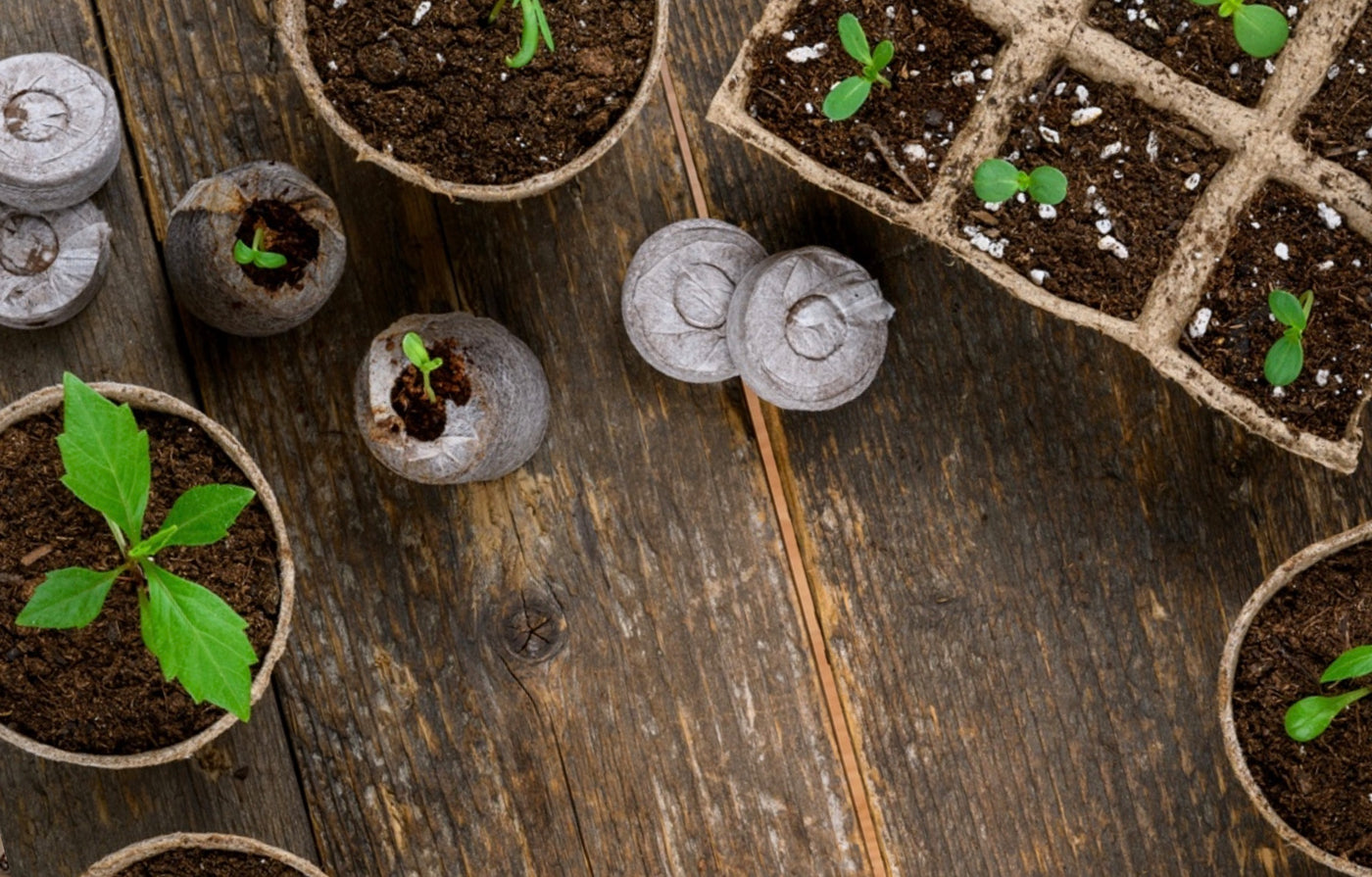
INCLUDES:Β Organic indoor seed starting soil podΒ +Β seeds of the monthΒ + plant label marker + instructions/grow guides
We want everyone to be successful growing their own sustainable organic vegetable garden. We created this Organic Gardening Grow Guides eBook ... and we're giving it away - for FREE! This eBook includes absolutely everything you need to know --- seed-to-harvest!


Β


