
 From $099 USDUnit price /Unavailable
Description
Dark Opal Purple Basil is a dark, fragrant beauty with its glossy, deep black-purple leaves that shimmer with iridescence in bright light, plum-colored stems, and edible violet flower spikes that make a spectacular garnish. A 1962 All-America Selections Winner! This annual basil plant produces extremely fragrant dark purple leaves. It can be used as a garnish or to make flavored vinegars. This basil drys excellently and is very easy to grow. Gardening in a small space or wanting to use a container? This variety grows great in them!Use it to add sweet, intense anise flavor and a dreamy purple color to pesto or bruschetta, or mix it into a moody Caprese salad with Black Krim Tomatoes.
Harvest the leaves and stems from the top part of the plant, and pinch off edible flower buds as they appear, which prevents the leaves from turning bitter, and signals the plant to branch out and grow more leaves, making a bushier plant.
The more you harvest, the more it grows!
- Sweet, intense anise flavor
- Slow to bolt (flower)
- 1962 All-America Selections (AAS) Winner
- Good for containers
- Tons of medicinal benefits!
As a medicinal herb, Basil has been used internally to treat anxiety, colds, colic, cough, depression, diarrhea, fever, flatulence, flu, indigestion, insomnia, intestinal parasites and worms, exhaustion, gastric pain, gonorrhea, lactation problems, migraine headache, nausea, stomach cramps, sore throat, and vomiting, and externally to treat acne, insect bites and stings, loss of smell, skin problems, snake bites.
⚠️ Do not use medicinally while pregnant.
⚠️ Medicinal properties are presented as information only, and are not a recommendation or prescription for use. Consult a medical professional before using any herb medicinally.
Plant Basil in your garden to attract hummingbirds, pollinators, and other beneficial insects.
Basil is also know to repel aphids, asparagus beetles, cabbage moths, cabbage white butterfly, cabbage worms, carrot rust fly, flies, maggots, mice, mosquitoes, spider mites, thrips, and tomato hornworms!

What is Dark Opal Purple Basil?
This sweet and very popular variety of basil has gorgeous purple-black glossy foliage and a delicious aroma. It's eye catching and a beautiful, colorful garden plant. This basil produces small to medium sized, tender leaves. It is slow to bolt and grows at a steady pace. The dark purple has a green metallic undertone or sheen and in bright light it can appear flat and open.
Health Benefits of Dark Opal Purple BasilDark Opal Purple Basil has a variety of medicinal benefits and has been known to improve digestive functions, treat acne and insect bites, improve nausea, and work as a sedative for muscle spasms and cramps.
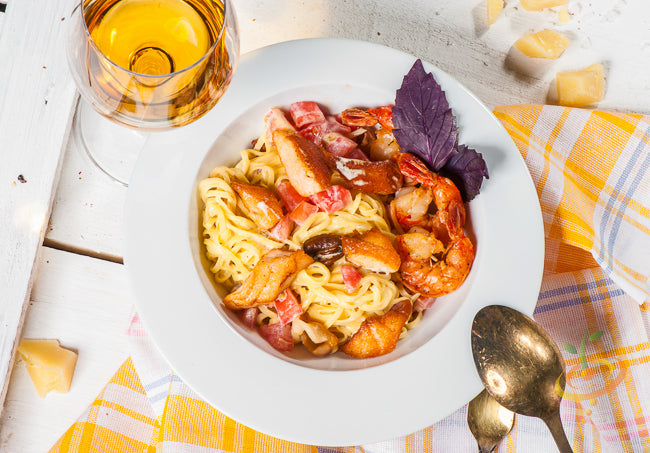
Ways to Consume Dark Opal Purple BasilLike many basil varieties, Dark Opal Purple Basil has a degree of licorice flavor, and it is used in the culinary world as an attractive garnish with good flavor. Use this herb fresh or dried and even frozen. It works wonderfully in salads and on sandwiches. The uses for this herb are endless and everyone should take advantage of this fresh and spicy leaf.

See Basil Recipes & Growing Tips on our Pinterest Board
Shop all Basil Seeds Shop Good Companion Plants for Basil 📚 Grow Guide: Basil -
Basil, Cinnamon (Mexican Basil) seeds
From $099 USDUnit price /UnavailableDescription
Cinnamon Basil, also called Mexican Basil, has glossy, deep green leaves that turn reddish at the tips when mature, and dark cinnamon-colored stems. Its warm, sweet cinnamon-anise flavor is especially nice in ham and pork dishes, apple pie and other desserts, and kombucha.
By far the most popular variety and possibly one of the most fragrant, this basil grows easily. Its aroma will remind you of sweet cinnamon and it is popular for use in hot drinks and paired with fresh fruit.
This sweet basil is exotic and has dark green leaves with purplish-red stems and purple blooms. It's spicy and has a cinnamon-like taste and scent. If you like making homemade potpourris or dried flower arrangements try adding some cinnamon basil!The violet flower spikes make an unusual garnish or addition to salads. Harvest the leaves and stems from the top part of the plant, and pinch off edible flower buds as they appear, which prevents the leaves from turning bitter, and signals the plant to branch out and grow more leaves, making a bushier plant.
The more you harvest, the more it grows!
- Cinnamon-anise flavor
- Tons of medicinal benefits!
- Good for indoor gardens
- Good for containers
As a medicinal herb, Basil has been used internally to treat anxiety, colds, colic, cough, depression, diarrhea, fever, flatulence, flu, indigestion, insomnia, intestinal parasites and worms, exhaustion, gastric pain, gonorrhea, lactation problems, migraine headache, nausea, stomach cramps, sore throat, and vomiting, and externally to treat acne, insect bites and stings, loss of smell, skin problems, snake bites.
⚠️ Do not use medicinally while pregnant.
⚠️ Medicinal properties are presented as information only, and are not a recommendation or prescription for use. Consult a medical professional before using any herb medicinally.
Plant Basil in your garden to attract hummingbirds, pollinators, and other beneficial insects.
Basil is also know to repel aphids, asparagus beetles, cabbage moths, cabbage white butterfly, cabbage worms, carrot rust fly, flies, maggots, mice, mosquitoes, spider mites, thrips, and tomato hornworms!
Shop all Basil Seeds Shop Good Companion Plants for Basil 📚 Grow Guide: Basil Health Benefits of Cinnamon Basil
Cinnamon basil is a must have, medicinal herb. It offers anti-inflammatory benefits and can relieve symptoms of arthritis! If you suffer from allergies, diabetes, colds, the flu, or infertility, some would swear by the benefits of consuming cinnamon basil and how it's improved their health. It is even used in the treatment of some cancers. It naturally boosts your immune system and is a known anti-bacterial and anti-viral. Are you growing this yet?...because you should be!
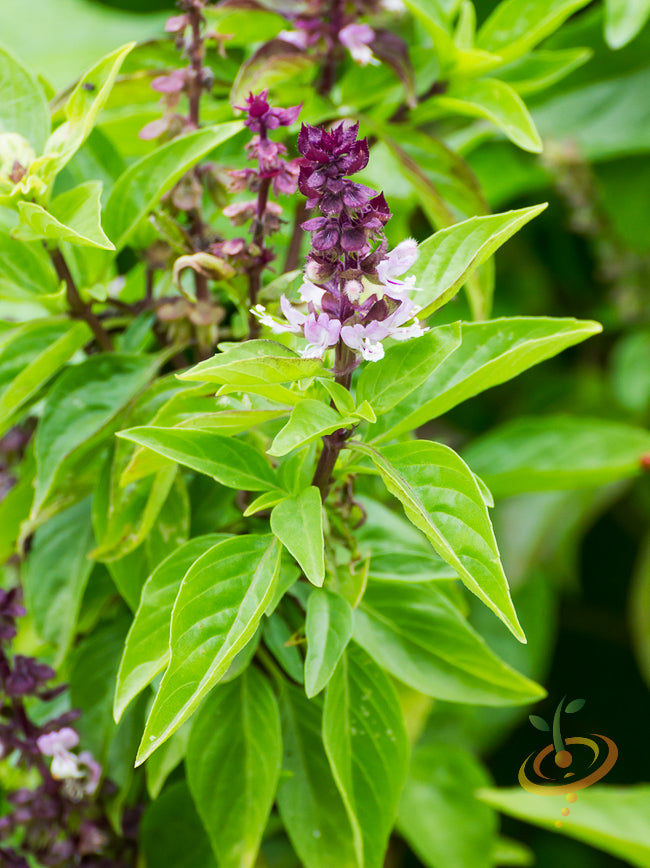
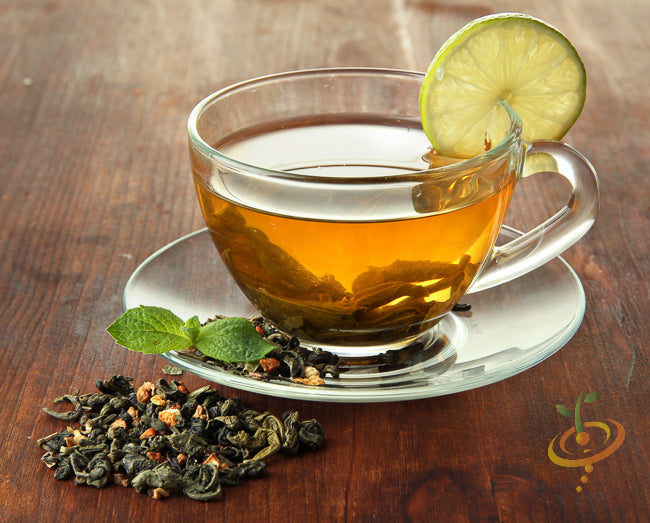
Ways to Consume Cinnamon BasilUse this exotic and fragrant basil in any recipe that calls for basil. The sweet flavor is great when paired with other fruity herbs. Pick the leaves when small and tender and use them in your favorite recipes or put them in bottles of olive oil to make cinnamon flavored oil. Cinnamon basil pairs harmoniously with apple pie filling, apple sauce, pork or ham dishes. Add frozen basil leaves to soups or sauces. Cinnamon basil can also be used to make refreshing teas, hot or cold!
See Basil Recipes & Growing Tips on our Pinterest Board
Shop all Basil Seeds Shop Good Companion Plants for Basil 📚 Grow Guide: Basil 
Arugula - Roquette (Rocket) seeds
From $299 USDUnit price /UnavailableDescription

Roquette Arugula (also called Rocket) is one of the easiest leafy greens you can grow, and can be harvested as early as 20 days after planting. The young seed pods, flowers, leaves, and mature seeds are all edible. A member of the mustard family, the leaves of the Arugula plant add a deliciously tangy/peppery flavor to any meal.
- Easy to grow
- Entire plant is edible
- Frost tolerant
- Quick to mature — 20 days for baby greens!
Shop all Arugula Seeds Shop Good Companion Plants for Arugula 📚 Grow Guide: Arugula  From $299 USDUnit price /Unavailable
Description

Anise (Pimpinella anisum), also called Aniseed, is a sweet, aromatic annual in the parsley family.
The leaves and flowers are lacy, delicate, and delicious, and plants can grow 2'-3' tall.
With a fresh licorice flavor, use as you would Tarragon and Fennel in both savory meat and vegetable dishes, salads and dressings, and sweet baked goods, such as biscotti.
Chew the seeds for a natural breath freshener and digestif. Its aromatic seeds are also used for cooking and herbal medicine.
You may be familiar with the anise flavor if you've had absinthe, as anise seeds are the basis for this famous alcoholic beverage.
- Licorice flavor
- Edible seeds and leaves
- Culinary and medicinal
- Good for containers
As a companion plant, it attracts pollinators and beneficial insects, and repels aphids, cabbage moths, cabbage white fly, cabbage worms, slugs, and snails, but is strangely irresistible to bears, deer, dogs, and mice.
As a medicinal herb, Anise has been used internally to treat bad breath, bloating, constipation, cough, flatulence, hot flashes, indigestion, lack of appetite, migraine headaches, and upset stomach, and externally to treat bronchitis, eye pain, and swelling.
⚠️ Medicinal properties are presented as information only, and are not a recommendation or prescription for use. Consult a medical professional before using any herb medicinally.

Angelica (Wild Celery / Holy Ghost) seeds
From $299 USDUnit price /UnavailableDescription
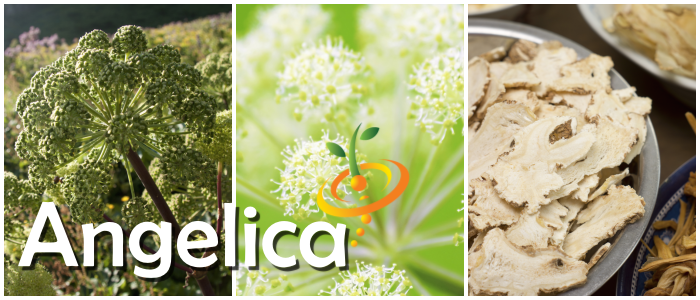
Angelica (Angelica archangelica), also called Wild Celery and Holy Ghost, is a fragrant herb in the carrot family. Like a carrot, it’s a biennial that flowers the second year, and it has a long thick root. But it’s not a carrot. For starters, it tastes like licorice. And the plant can grow to 4'-6' tall. It prefers cooler weather and growing near running water, so congrats if you’re gardening along the riverbanks of Utopia. The rest of us can just grow it in dappled shade and make sure the soil doesn’t dry out.
The flowers, leaves, seeds, stems, and roots are all edible. Peel the young, hollow, purple-tinged stems and use like celery, use the leaves like spinach, or make a tea from the leaves, flowers, seeds, and roots.
As a medicinal herb, Angelica has been used to treat anxiety, bladder infections, bronchitis, colds, cough, fever, flatulence, indigestion, insomnia, heartburn, lack of appetite, poor circulation, respiratory issues, typhus, and upset stomach.
Mild licorice flavorAll parts are edibleCulinary and medicinalGood fresh and cooked
As a companion plant, it attracts all sorts of friendly pollinators and beneficial insects.
⚠️ Medicinal properties are presented as information only, and are not a recommendation or prescription for use. Consult a medical professional before using any herb medicinally.
SEED PLANTING TIPS
- Botanical name: Angelica archangelica
- Life cycle: Herbaceous biennial
- Hardiness zones: 4-8
- Planting season: Spring, fall
- Days to maturity: 1-2 years; can begin harvesting when 6" tall
- Depth to plant seeds: Lightly cover - seeds need light to germinate
- Days to germinate (sprout): 14-28 days
- Germination soil temps: 60F-65F
- Spacing between plants: 18"-24" apart
- Spacing between rows: 24"-36" apart
- # of plants per sq. ft.: Appx. 1 plant per 2 sq. ft.
- Soil types: Clay, sandy, loamy, silty, moist, well-drained
- Soil pH: 4.5-7.4
- Sun needs: Full sun, part shade
- Water needs: High - keep soil moist
- Cold stratify: Yes
- Frost tolerant: Yes
- Heat tolerant: No
- Drought tolerant: No
- Deer resistant: No
- Culinary use: Yes
- Medicinal use: Yes
-
Amaranth - Tri Color (Joseph's Coat) seeds
From $399 USDUnit price /UnavailableDescription
Amaranthus tricolor, commonly known as Joseph's Coat, is a vibrant and visually striking flowering plant that is often utilized in ornamental gardening. This species is characterized by its broad, colorful leaves that can display a range of hues including red, yellow, and green. The plant typically reaches a height of 2 to 4 feet and can spread up to 3 feet wide, making it a prominent feature in garden landscapes.
One of the notable aspects of Amaranthus tricolor is its adaptability to various soil types. It thrives in well-drained soils and can tolerate poor soil conditions, which makes it an excellent choice for gardeners looking to enhance their landscapes with minimal maintenance. The plant prefers full sun exposure, requiring at least six hours of direct sunlight each day to achieve optimal growth and color vibrancy.
In terms of cultivation, Amaranthus tricolor is relatively easy to grow from seeds. The seeds should be sown directly into the garden after the last frost date, as the plant is sensitive to cold temperatures. Germination typically occurs within 7 to 14 days under suitable conditions. Once established, the plant is drought-tolerant, requiring watering only during prolonged dry spells.
From a nutritional perspective, Amaranthus tricolor is not only ornamental but also edible. The young leaves can be harvested and consumed in salads or cooked as a green vegetable, providing a source of vitamins A and C, as well as essential minerals. This dual-purpose nature enhances its appeal for gardeners interested in both aesthetics and food production.
Furthermore, Amaranthus tricolor attracts beneficial insects, such as pollinators, which can enhance the overall health of the garden ecosystem. The flowers, which are small and clustered, bloom throughout the summer and into the fall, providing a continuous source of color and attracting various species of bees and butterflies.
In conclusion, Amaranthus tricolor is a versatile and attractive addition to any garden. Its vibrant foliage, ease of cultivation, and nutritional benefits make it a valuable choice for both ornamental and edible gardening. Gardeners should consider incorporating this plant into their landscapes to enjoy its beauty and contributions to biodiversity.
Health Benefits of Amaranth
Do you have grey hair? Amaranth helps to prevent premature graying, mainly due to the minerals it contains. It helps to lower bad cholesterol and also can reduce inflammation and ease pain. Especially important for people suffering from diabetes, heart disease, and stroke. Great for tackling high blood pressure and may even help prevent cancer. Don't forget it is a wonderful source of protein.
Ways to Consume Amaranth
Amaranth is a lot like quinoa as far as being a "protein packed" seed. You can roast, pop, or boil these seeds. Use as a breakfast cereal, or combine it with other grains. Amaranth is a wonderful soup thickener because of it's gelatinous quality when cooked. Cook the leaves of the Amaranth plant, similar to how you would cook/use spinach leaves.
See Amaranth Recipes & Growing Tips on our Pinterest Board
-
From $399 USDUnit price /Unavailable
Description
With its showy display of cascading red flowers, Red Garnet Amaranth is both beautiful and delicious. You can cook the leaves as you would any other green, and harvest the seeds for a healthy grain that's rich in minerals and protein.
- Easy to grow.
- Heat tolerant.
- Drought resistant.
- Can grow to 10+ feet with the right soil and growing conditions.


🌱 Featured Collections
View all


Earn -&- redeem BeetCOINS™ 💰 for seriously special rewards! Learn more about rewards
... continue shopping!
🔥 Trending Now
View all-
Cilantro/Coriander, Slow-Bolt (splits) seeds
From $399 USDUnit price /Unavailable -

*FREE GIFT* ALL-IN-1 SEED STARTER KIT!
$000 USDUnit price /Unavailable -
*FREE* ORGANIC GARDENING GROW GUIDES eBOOK
$000 USDUnit price /Unavailable -
*Seed Starting Soil Pods* (ORGANIC)
From $499 USDUnit price /Unavailable -
Squash (Summer) - Black Beauty Zucchini seeds
From $299 USDUnit price /Unavailable -
Pepper (Sweet) - California Wonder seeds
From $299 USDUnit price /Unavailable -
Carrot - Tendersweet (7" Long) seeds
From $299 USDUnit price /Unavailable -
Pepper (Hot) - Jalapeño, Early Green 🔥🔥 seeds
From $299 USDUnit price /Unavailable -
From $399 USDUnit price /Unavailable
-

Lavender, English Flower seeds
From $399 USDUnit price /Unavailable -
Arugula - Roquette (Rocket) seeds
From $299 USDUnit price /Unavailable -
Basil, Italian Large Leaf seeds
From $099 USDUnit price /Unavailable -
From $399 USDUnit price /Unavailable
-
From $399 USDUnit price /Unavailable
-
From $299 USDUnit price /Unavailable
-
 From $399 USDUnit price /Unavailable


🪴 Essential Supplies -&- More
View all-
*FREE* ORGANIC GARDENING GROW GUIDES eBOOK
$000 USDUnit price /Unavailable -
 From $199 USDUnit price /Unavailable
 -
Epsom Salts Soil Fertilizer (THE BEST!)
From $299 USDUnit price /Unavailable -
*Seed Starting Soil Pods* (ORGANIC)
From $499 USDUnit price /Unavailable -

Seed Storage Vault Small (.57 Liters/5.5" tall)
$999 USD$1299Unit price /Unavailable -
Seed Storage Vault Xtra-Small (.29 liters/3.75" tall)
$999 USDUnit price /Unavailable -
Seed Storage Vault Medium (1.3 liters/8" tall)
$1499 USD$1999Unit price /Unavailable -
Seed Storage Vault Large (2.5 liters/10.25" tall)
$2599 USD$2999Unit price /Unavailable -
Seed Storage Vault Xtra-Large (3.8 liters/10.25" tall)
$3899 USDUnit price /Unavailable -
All-in-One MEGA SEED BANK for Survival w/LARGE Seed Storage Vault
$24999 USD$29900Unit price /Unavailable


Get this month's seeds kit for FREE w/any-size order!
INCLUDES: Organic indoor seed starting soil pod + seeds of the month + plant label marker + instructions/grow guides


We want everyone to be successful growing their own sustainable organic vegetable garden. We created this Organic Gardening Grow Guides eBook ... and we're giving it away - for FREE! This eBook includes absolutely everything you need to know --- seed-to-harvest!